
Discover Hainaut | A Visitor's Introduction to Hainaut, Belgium
Get independent advice and recommendations for places to stay and things to do in Hainaut
Hainaut, a province in Belgium’s French-speaking Wallonia region, is a fascinating destination filled with historic landmarks, industrial heritage, and natural beauty. Known for its UNESCO-listed sites, charming towns, and scenic countryside, Hainaut offers a blend of cultural enrichment and outdoor adventure. Whether you’re exploring medieval castles, walking along tranquil canals, or delving into the region’s mining history, Hainaut provides an authentic and diverse Belgian experience.
Recommended Accommodation: Hainaut Hotels Hainaut Bed & Breakfasts
Why is Hainaut Worth a Visit?
Hainaut is a province that celebrates its rich heritage and industrial past while embracing its natural surroundings. Its UNESCO World Heritage Sites, including the impressive boat lifts on the Canal du Centre and the Grand-Hornu mining complex, highlight the region’s innovative spirit. The province’s lively towns, such as Mons and Tournai, are steeped in history, with stunning architecture and vibrant cultural scenes. Hainaut’s green spaces, like the Eau d’Heure Lakes and nature parks, provide a peaceful retreat for those seeking outdoor activities.
Hainaut Highlights: Things to See and Do in Hainaut
Mons
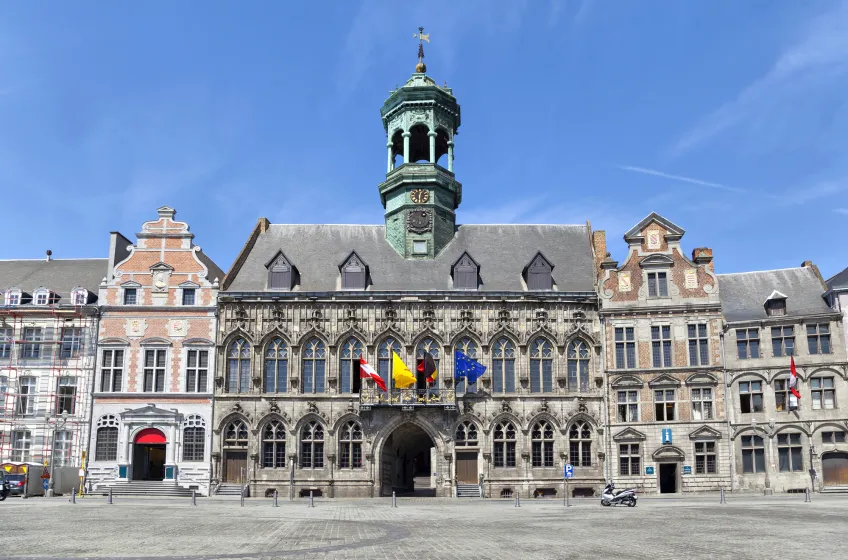
Mons, the capital of Hainaut, is a city of art and history. The Grand Place is a stunning central square surrounded by elegant facades, bustling cafés, and restaurants. Highlights include the Belfry of Mons, a UNESCO World Heritage Site offering panoramic views, and the Saint Waltrude Collegiate Church, known for its Gothic architecture. Mons is also famous for the Doudou Festival, a unique procession and UNESCO-recognised event celebrating local traditions.
Tournai
Tournai, one of Belgium’s oldest cities, is renowned for its architectural and artistic treasures. The Notre-Dame Cathedral, a UNESCO World Heritage Site, is a masterpiece of Romanesque and Gothic design. The Belfry of Tournai, Belgium’s oldest belfry, offers breathtaking views of the city. Tournai’s museums, including the Museum of Fine Arts designed by Victor Horta, add to its cultural richness.
Grand-Hornu
The Grand-Hornu is a remarkable example of Belgium’s industrial heritage. This UNESCO-listed site was once a coal mining complex and has been transformed into a cultural hub housing the MAC’s (Museum of Contemporary Arts). The blend of historic industrial architecture and modern art exhibitions makes it a must-visit destination.
The Canal du Centre Boat Lifts
The four hydraulic boat lifts on the historic Canal du Centre are a marvel of 19th-century engineering and a UNESCO World Heritage Site. These impressive structures, still operational, demonstrate the ingenuity of Belgium’s industrial past. Nearby, the modern Strépy-Thieu Boat Lift, one of the tallest in the world, is equally impressive and offers tours and panoramic views.
Château de Beloeil
Often referred to as the "Versailles of Belgium," the Château de Beloeil is a magnificent castle surrounded by landscaped gardens. Visitors can explore its opulent interiors, admire its art collection, and stroll through the expansive grounds, which feature fountains, statues, and tree-lined avenues.
Pairi Daiza
Pairi Daiza, located near Mons, is a world-class zoological park and botanical garden. The park features beautifully recreated habitats from around the globe, including a Chinese garden, an African savannah, and a giant panda sanctuary. Pairi Daiza’s immersive experience and dedication to conservation make it a family favourite.
Eau d’Heure Lakes
The Eau d’Heure Lakes, Belgium’s largest artificial lake system, is a paradise for outdoor enthusiasts. Activities include swimming, kayaking, paddleboarding, and hiking along scenic trails. The lakes are also home to a unique hydroelectric dam with a visitor centre that offers guided tours.
Aulne Abbey
The ruins of Aulne Abbey, nestled along the Sambre River, are a serene and picturesque destination. Once a thriving Cistercian monastery, the abbey is now a tranquil spot for leisurely walks, photography, and reflection.
Wallers-Arenberg Mining Site
This former coal mine is a UNESCO-listed site and part of Belgium’s industrial heritage. It offers guided tours that delve into the lives of miners and the history of coal mining in the region. The site has also been featured in films, including "Germinal."
Practical Advice for Visitors
Getting There
Hainaut is easily accessible by train, car, or bus. Mons and Tournai serve as major hubs with regular train connections to Brussels, Charleroi, and other Belgian cities. For drivers, the region’s extensive motorway network makes it convenient to reach. International travellers can fly into Brussels South Charleroi Airport, located close to Hainaut.
Getting Around
Public transport, including trains and buses, efficiently connects Hainaut’s towns and attractions. However, renting a car is the best option for exploring the more rural areas and reaching natural sites like the Eau d’Heure Lakes.
Dining
Hainaut’s culinary scene highlights traditional Walloon flavours. Regional specialities include tarte al djote (a leek pie), Carbonnade flamande (a beef stew made with beer), and local beers from abbeys and microbreweries. Restaurants in Mons, Tournai, and smaller towns offer hearty, delicious meals often paired with a pint of Belgian beer.
Best Time to Visit
Spring and summer are ideal for visiting Hainaut, as the weather is pleasant for outdoor activities and festivals. Autumn offers a quieter atmosphere and stunning foliage, while winter brings festive markets to towns like Mons and Tournai.
Events and Festivals
Hainaut is known for its vibrant festivals. The Doudou Festival in Mons, held in early summer, is a lively celebration featuring processions and re-enactments. Pairi Daiza hosts seasonal events, including Christmas illuminations and springtime festivities. Tournai’s Christmas market and cultural events are highlights of the winter season.
Exploring Beyond Hainaut
Hainaut’s central location makes it an excellent base for exploring nearby regions. Brussels is just a short train ride away, offering world-class museums and attractions. The Ardennes, with its lush forests and outdoor activities, is within reach for a day trip. Northern France, including the historic city of Lille, is also easily accessible.
Shortlist
- Your Shortlist is empty