
Discover Haddon Hall | A Visitor's Introduction to Haddon Hall
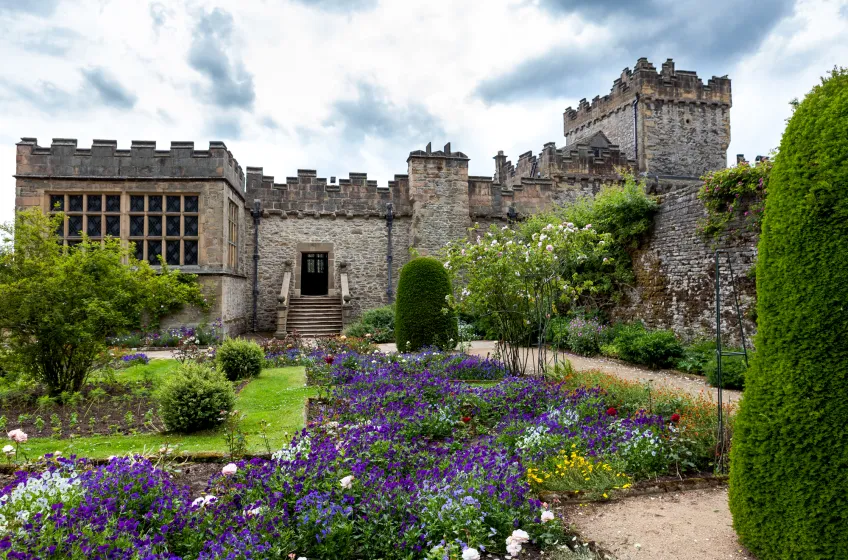
Haddon Hall is a remarkable example of a fortified medieval manor house located near Bakewell in Derbyshire, England. Set against the backdrop of the Peak District National Park, the hall occupies a commanding position overlooking the River Wye. With a history spanning over 900 years, Haddon Hall has been continuously inhabited by the Manners family and remains one of the most complete and unaltered houses of its type in the country. Constructed primarily from limestone and gritstone, the hall features a mix of architectural styles, including Norman, Medieval, Tudor, and Elizabethan elements, offering a rich and layered historical experience.
Its picturesque location, well-preserved interiors, and atmospheric charm have made Haddon Hall a popular filming location for period dramas and films, including adaptations of Jane Eyre, Pride and Prejudice, and The Princess Bride. As a result, the hall attracts history enthusiasts, architecture admirers, and film fans alike. The surrounding gardens, carefully restored in the 20th century, further enhance the experience, providing peaceful walks and views of the surrounding Derbyshire countryside.
Recommended Bakewell accommodation: Hotels Bed & Breakfasts Pub Accommodation
Pre-book Derbyshire Attractions, Tours & Experiences
Why Is Haddon Hall Worth a Visit?
Haddon Hall is widely regarded as one of the best-preserved medieval houses in England. Unlike many stately homes that were extensively remodelled or rebuilt over the centuries, Haddon retains much of its original structure and internal features. This continuity offers visitors a rare opportunity to walk through spaces that have remained largely unchanged since the Middle Ages and Tudor period. From the stone-flagged floors to the carved wood panelling, the hall exudes a sense of historical authenticity that is increasingly hard to find.
What makes Haddon particularly worth visiting is its ability to convey the lived experience of an aristocratic household over many centuries. Its blend of defensive and domestic architecture provides insight into how noble families balanced security and comfort in an era before centralised state power. The hall is not merely a preserved relic but an active estate, complete with knowledgeable guides, curated exhibitions, and seasonal events that bring its history to life.
The gardens at Haddon Hall also stand out as a highlight. Restored with the guidance of renowned garden designer Arne Maynard, they blend historical planting with contemporary sensibilities. The terraced layout offers changing perspectives and seasonal interest throughout the year, making the gardens a major attraction in their own right.
Highlights of Haddon Hall
The Long Gallery
The Long Gallery is often regarded as the architectural centrepiece of Haddon Hall. Constructed in the Elizabethan period around 1600, the gallery features a distinctive timber-framed ceiling, large mullioned windows, and extensive oak panelling. It was designed as a space for indoor walking and socialising during inclement weather, and its length and elegance reflect the aspirations of the Manners family during the Elizabethan golden age. The natural light and views across the garden make this one of the most admired spaces in the house.
The Banqueting Hall
Dating back to the 14th century, the Banqueting Hall is one of the oldest parts of Haddon. The room retains its original timber-beamed roof and features a large open hearth, which would have been the central heating and cooking source. Heraldic banners, period furnishings, and wall tapestries evoke the hall’s medieval origins, and visitors can imagine how this space once served as the social heart of the estate, used for dining, ceremonies, and gatherings.
The Chapel of St Nicholas
Haddon Hall’s private chapel, dedicated to St Nicholas, contains some of the finest surviving medieval wall paintings in England. These 15th-century murals depict religious scenes and figures and are notable for their rarity and condition. The chapel also includes a fine stone altar, stained glass windows, and timber pews, contributing to a serene and contemplative atmosphere.
The Kitchens and Service Areas
A visit to the kitchens offers a fascinating insight into the workings of a medieval and Tudor household. The kitchen block is largely unaltered, with original fireplaces, bread ovens, and preparation surfaces still intact. Objects and interpretation boards help illustrate the daily routines of servants and cooks who maintained the household’s operation. Adjacent pantries, larders, and sculleries also help contextualise the domestic life of the estate.
The Gardens
The terraced gardens of Haddon Hall descend towards the River Wye and are divided into distinct sections, each with its own character and planting style. Highlights include the Fountain Terrace, Bowling Green Terrace, and the upper Parterre Garden. Roses, herbaceous borders, and clipped hedges are arranged to reflect historical layouts while also appealing to modern garden aesthetics. The gardens are particularly attractive in spring and summer, though they offer interest throughout the seasons.
The Gatehouse and Courtyards
The main entrance to Haddon is through a 14th-century gatehouse that still retains defensive features such as a portcullis and arrow slits. Inside the walls, the Lower Courtyard and Upper Courtyard provide transitions between the various wings of the hall. These spaces offer a sense of the estate’s scale and continuity, with cobbled paths, stone buildings, and climbing plants contributing to a timeless atmosphere.
The Parlour and Drawing Rooms
The family’s private spaces, including the Parlour and Drawing Rooms, feature 16th and 17th-century furnishings, decorative panelling, and tapestries. These rooms reflect the shift from fortress-like living to greater domestic comfort and display family portraits, books, and period furniture. Each room tells a story about the family’s evolution and the changing nature of aristocratic life.
The State Bedroom
The State Bedroom is another highlight, featuring a canopied bed, decorative textiles, and views over the gardens. Though more restrained than some later country houses, the room’s furnishings and finishes reflect Tudor tastes and priorities, including warmth, privacy, and status.
The Book Room and Library
Though modest in scale compared to later libraries, Haddon’s book room contains a selection of early printed volumes and family documents. It reflects the growing interest in literacy and private study among the aristocracy during the Renaissance. Visitors can learn more about the literary and intellectual pursuits of the Manners family and how these contributed to the broader cultural developments of the time.
The Film and Media Connections
Due to its exceptional preservation and authentic period features, Haddon Hall has been featured in numerous film and television productions. It served as Thornfield Hall in several Jane Eyre adaptations and appeared in Elizabeth, The Other Boleyn Girl, and The Princess Bride. Interpretation materials throughout the hall highlight these connections and offer behind-the-scenes insights into location filming.
Facilities
Haddon Hall offers a range of facilities aimed at ensuring a comfortable visit. The on-site restaurant, The Haddon Restaurant, is located in the 17th-century stable block and serves a selection of meals, drinks, and cakes prepared with locally sourced ingredients. A courtyard shop sells books, gifts, and items related to the hall’s history and the wider Peak District. Toilets, including accessible facilities, are located near the visitor entrance.
Accessibility is somewhat limited due to the historic nature of the building, with uneven floors, narrow doorways, and steep steps throughout much of the hall. However, a visual guide is available, and staff are on hand to assist visitors with mobility challenges where possible. Parking is available on-site, with a short uphill walk to the main entrance. Dogs are allowed in the grounds but not inside the hall, with the exception of assistance dogs.
Seasonal events such as outdoor theatre, Christmas markets, and garden tours are held throughout the year. These are typically advertised on the hall’s website and offer varied reasons to revisit during different seasons.
Nearby Attractions
Haddon Hall’s location in the heart of the Peak District places it within easy reach of several other notable attractions. Just a short drive away is Chatsworth House, another seat of the Duke of Devonshire, known for its extensive art collection, landscaped gardens, and grand interiors. While Chatsworth presents a more Baroque vision of aristocratic life, it offers an interesting contrast to Haddon’s medieval character.
The nearby market town of Bakewell is worth a visit for its historic architecture, riverside walks, and independent shops. It is also the home of the famous Bakewell Pudding, with several local bakeries claiming the original recipe. Monsal Head and the Monsal Trail, a disused railway line turned into a walking and cycling path, offer excellent views and scenic routes through limestone dales and tunnels.
Other nearby heritage sites include Eyam, known as the "Plague Village" due to its self-imposed quarantine in the 17th century, and Arbor Low, a prehistoric stone circle often referred to as the “Stonehenge of the North.” Walkers and nature lovers will find ample opportunities to explore the Peak District National Park, with its mix of moorlands, valleys, and gritstone edges.
Practical Advice for Visitors
Haddon Hall is typically open from spring to late autumn, with exact dates and opening hours varying year by year. It is advisable to check the official website before visiting, especially during the off-season or if attending a special event. Tickets can be purchased online or at the gate, with discounts available for families, seniors, and groups. Some areas of the hall may occasionally be closed for private events, so advance planning is recommended.
The site is most comfortably explored with sturdy footwear due to uneven flooring and sloped paths, particularly in the gardens and courtyards. Photography is allowed in the gardens and exterior areas, but restrictions apply inside the house. Guided tours are offered at certain times and provide deeper insights into the hall’s architecture, history, and residents.
The nearest major transport hub is Sheffield, about 20 miles away, with rail connections to London and other UK cities. From Sheffield, local bus services and taxis can reach Bakewell, and Haddon Hall is about 2 miles from the town centre. There is limited public transport directly to the hall, so driving is often the most convenient option for many visitors.
Visitors planning a day in the area may wish to combine Haddon Hall with nearby attractions, allowing time for lunch in Bakewell or a walk along the River Wye. The gardens and café make Haddon an ideal half-day destination, but those with a strong interest in history or photography may wish to spend longer exploring the estate in more detail.
Shortlist
- Your Shortlist is empty