
Discover Grenoble | A Visitor's Introduction to Grenoble
Recommended places to visit, places to stay and things to do in Grenoble
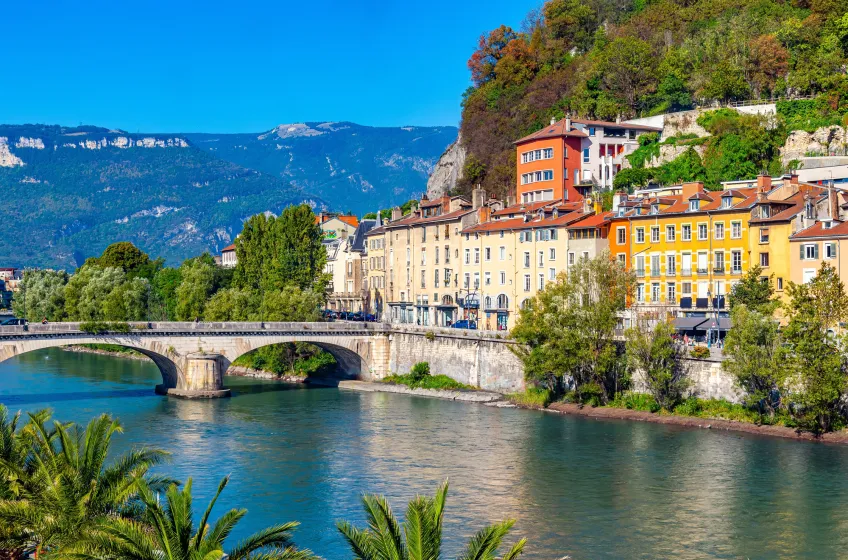
Grenoble is a vibrant city nestled in the heart of the French Alps, in the southeastern region of Auvergne-Rhône-Alpes. Known as the "Capital of the Alps," this dynamic city combines dramatic mountain scenery with a rich history, a thriving university presence, and a strong cultural identity. Whether you’re an avid skier, a history buff, a lover of the arts, or simply someone who enjoys breathtaking landscapes, Grenoble offers a uniquely balanced urban-mountain experience that is hard to match elsewhere in France.
Recommended Grenoble Accommodation: Hotels
Why is Grenoble Worth a Visit?
Grenoble is worth visiting for its spectacular alpine setting, cultural depth, and scientific innovation. Surrounded by the Chartreuse, Vercors, and Belledonne mountain ranges, the city is a natural haven for outdoor enthusiasts throughout the year. But beyond its proximity to world-class ski resorts and hiking trails, Grenoble also boasts a fascinating past dating back to Roman times, a rich intellectual and scientific legacy, and a surprisingly cosmopolitan atmosphere for a relatively small city.
As a hub of research and higher education, Grenoble has long attracted students and scholars from around the globe, giving it a youthful, international flair. Its lively centre is filled with charming squares, art galleries, bustling markets, and an excellent food scene that highlights both Alpine specialities and broader French cuisine.
Whether you’re wandering through the historic old town, riding the famous téléphérique (cable car) up to the Bastille fortress, or setting off into the mountains for a day of skiing or hiking, Grenoble offers a mix of culture, nature, and lifestyle that feels uniquely European and thoroughly refreshing.
Grenoble Highlights: Things to See and Do in Grenoble
La Bastille
Perhaps the most iconic landmark in Grenoble, the Bastille is an ancient fortress perched on a hill overlooking the city. You can reach it via the spherical glass cable cars – affectionately nicknamed “Les Bulles” – that float above the Isère River. Once at the top, you're rewarded with panoramic views over Grenoble and the surrounding Alps. The Bastille itself has a series of tunnels, old military installations, and walking trails that are ideal for exploring. There’s also a couple of cafés at the summit where you can sip a coffee while enjoying the vista. Sunset is particularly magical here.
Musée de Grenoble
Regarded as one of France's finest art museums outside of Paris, the Musée de Grenoble houses an impressive collection of works spanning from the 13th to the 21st century. Highlights include pieces by Picasso, Matisse, Kandinsky, and Monet, alongside an extensive collection of contemporary and modern art. It’s located in a beautiful modern building near the banks of the Isère and has lovely gardens for a post-museum stroll.
Old Town (Vieille Ville)
Grenoble’s Old Town is a delightful mix of narrow cobbled streets, pastel-coloured façades, and atmospheric squares. Place Saint-André and Place Grenette are among the most picturesque spots to enjoy a drink or meal al fresco. Don’t miss the Collegiate Church of Saint-André and the ancient Palace of the Parliament of Dauphiné, both of which speak to the city’s regional importance during the Renaissance. Wander through the area in the morning for a more peaceful experience, or visit in the evening when the bars and restaurants come alive.
Téléphérique de Grenoble-Bastille
Beyond simply being a means of transportation, the téléphérique is a highlight in its own right. Open since 1934, it was one of the first urban cable cars in the world and remains an iconic symbol of Grenoble. The ride is short but thrilling, lifting you from the Quai Stéphane Jay in the city centre up to the Bastille in just a few minutes. The glass pods offer excellent photo opportunities as they rise above the rooftops and the river.
Musée Archéologique Saint-Laurent
This lesser-known gem is a fascinating archaeological museum housed in a beautifully preserved Romanesque church. It traces the history of the site from Roman burial grounds to medieval churches and modern renovations. The underground crypt with its Merovingian tombs is particularly atmospheric. It’s located in the Saint-Laurent district, one of the oldest parts of the city, and entry is free.
Parc Paul Mistral
One of the largest green spaces in Grenoble, Parc Paul Mistral is perfect for a relaxing afternoon. It’s home to the 100-metre-high Perret Tower, built in 1925 for the International Exhibition of Hydropower and Tourism. The park is also a popular spot for jogging, picnics, or just unwinding with a book beneath the trees. It’s particularly lively on weekends when families, cyclists, and skateboarders gather.
Grenoble-Bastille Urban Trail
For those seeking a bit of outdoor adventure without leaving the city limits, the Bastille trail is ideal. It’s a relatively steep but manageable hike that leads from the city centre to the Bastille fortress. Along the way, you’ll pass scenic viewpoints, hidden military bunkers, and even some via ferrata routes for the more adventurous. It’s a great way to earn that post-hike tartiflette.
Les Halles Sainte-Claire
This covered market is the culinary heart of Grenoble. Open daily (except Mondays), it features stalls selling everything from local cheeses like Bleu du Vercors and Tomme de Savoie to fresh fruit, vegetables, pastries, and charcuterie. It’s an excellent place to pick up picnic supplies or sample regional delicacies, and it offers a real slice of local life.
Musée Dauphinois
Housed in a former 17th-century convent with a fantastic view over the city, this museum explores the history and traditions of the Dauphiné region. Its exhibitions cover everything from rural mountain life to skiing culture, religious practices, and Alpine architecture. The gardens are a lovely bonus, especially in spring and summer.
Street Art Scene
Grenoble has a thriving street art culture, particularly thanks to the Grenoble Street Art Fest held annually. You’ll find giant murals and quirky pieces tucked around corners, on building façades, and even in car parks. Take a self-guided tour through the city or join a walking tour to learn more about the artists and their work.
Practical Advice for Visitors
Getting There
Grenoble is easily accessible by train, car, or plane. It’s around three hours by high-speed TGV train from Paris, and just over an hour from Lyon. The nearest major airport is Lyon-Saint Exupéry (about 1.5 hours away), which has regular shuttle buses to Grenoble. There’s also a smaller airport, Grenoble Alpes–Isère, which serves seasonal flights from various UK cities during ski season.
If you’re driving, the city is well-connected by motorway (A48 from Lyon, A41 from Geneva). The drive through the mountains can be particularly scenic, especially in winter.
Parking
Driving in Grenoble is straightforward, but parking in the city centre can be tricky, especially on market days. There are several underground car parks (e.g., Philippeville, Lafayette, and Victor Hugo) that are convenient and secure. Street parking is metered and limited to two hours in most central areas. Alternatively, you can park at one of the park-and-ride facilities on the city outskirts and use the efficient tram network to get into town.
Dining
Grenoble has a great mix of restaurants serving everything from classic French fare to inventive modern cuisine. For traditional Alpine dishes like raclette, fondue, and tartiflette, head to places like La Fondue or Le Petit Rocher. For something more refined, Auberge Napoléon is a longstanding fine dining favourite.
Vegetarian and vegan options are increasingly common, with places like La Table Ronde and Green Lab offering lighter, plant-based fare. Don’t forget to try walnut-based specialities (the region is famous for its walnuts), including walnut oil, cakes, and tarts.
Shopping
Grenoble’s shopping scene is diverse, from chic fashion boutiques to quirky bookshops and outdoor gear retailers (no surprise given the city’s mountaineering legacy). Head to Place Victor Hugo and the surrounding streets for mainstream brands, or explore Rue Lafayette and Rue Jean-Jacques Rousseau for independent shops.
For something uniquely local, visit La Maison de la Noix de Grenoble, where you can buy walnut products, and Chocolaterie Bonnat in nearby Voiron for artisanal chocolates that are highly respected across France.
When to Visit
Grenoble is a year-round destination, but the best time to visit depends on your interests. Winter (December to March) is ideal for snow sports, with several ski resorts less than an hour away. Spring and autumn are great for city sightseeing and hiking, with pleasant temperatures and fewer crowds. Summer can get quite hot in the valley, but the mountains offer a cool escape.
Autumn is particularly beautiful when the surrounding forests change colour – perfect for photographers and walkers.
Local Events
Grenoble hosts a variety of events throughout the year. The Cabaret Frappé music festival in July transforms city parks into open-air concert venues. The Grenoble Street Art Fest (usually in May or June) attracts artists from around the world and leaves behind a trail of colourful murals.
In December, Grenoble lights up with its festive Marché de Noël in Place Victor Hugo and Place Grenette, where you’ll find mulled wine, crafts, and Alpine treats. The Short Film Festival in March and Les Détours de Babel, a world music and jazz festival in spring, are also worth timing your trip around.
Exploring Beyond Grenoble
If you have time to spare, the surrounding region is bursting with opportunities. The Vercors Plateau, just 30–40 minutes by car, offers incredible hiking, dramatic cliffs, and caves. The Chartreuse Mountains are home to the Grand Chartreuse monastery and offer quieter, more mystical landscapes. The Belledonne range is also easily accessible for hiking and wild swimming in alpine lakes.
A short train ride will take you to Voiron, home to the famous Chartreuse Cellars, where the green liqueur is still made by Carthusian monks. If you fancy a city day trip, Lyon is just over an hour away and makes a perfect contrast to Grenoble’s mountain vibe.
Grenoble is a city where modern innovation meets Alpine tradition, where students sip coffee in medieval squares and climbers train beneath stone ramparts. Whether you're after adrenaline-fuelled adventures, cultural enrichment, or a laid-back city break with a mountain view, Grenoble offers a surprisingly complete experience. It’s the kind of place that invites exploration – on foot, on skis, or via a cable car dangling over a river – and rewards those who take the time to get to know it.
Shortlist
- Your Shortlist is empty