
Discover Doubs | A Visitor's Introduction to Doubs
Recommended places to visit, places to stay and things to do in Doubs
Doubs is a picturesque department nestled in the Franche-Comté region of Central France, bordered by Switzerland and shaped by the winding Doubs River. Known for its lush valleys, dramatic gorges, charming towns, and rich industrial heritage, Doubs is a haven for nature lovers, history buffs, and anyone in search of authentic rural France. With its blend of fortified citadels, pristine forests, and traditional cheese-making villages, Doubs offers a captivating escape into the less-trodden heart of the French countryside.
Recommended Doubs Accommodation: Hotels Bed & Breakfasts
Why is Doubs Worth a Visit?
Doubs is worth visiting for its stunning natural landscapes, fascinating historical landmarks, and tranquil atmosphere. Unlike the more tourist-heavy corners of France, Doubs remains beautifully untouched, giving visitors the chance to experience France at a slower, more intimate pace. The department is defined by the meandering Doubs River and the Jura Mountains, offering breathtaking scenery perfect for hiking, cycling, or simply soaking in the serenity.
What truly sets Doubs apart is its combination of natural beauty and industrial legacy. Besançon, the regional capital, was once a major watchmaking centre and remains a UNESCO-listed town with its imposing Vauban citadel. The region also excels in traditional crafts and local gastronomy, especially Comté cheese and smoked meats. Whether you're kayaking through gorges, exploring underground caves, or wandering through mediaeval towns, Doubs provides a rich, authentic experience.
Doubs Highlights: Things to See and Do in Doubs
Besançon and the Citadel
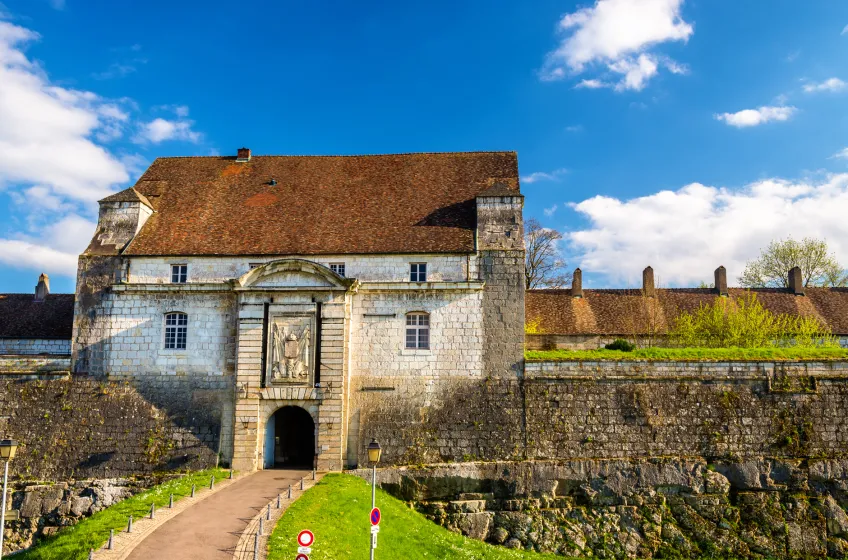
Besançon is the cultural and historical heart of Doubs. Nestled in a loop of the Doubs River and framed by green hills, the city is most famous for its Citadel, a 17th-century fortress designed by military architect Vauban. Now a UNESCO World Heritage Site, the citadel offers panoramic views, museums, a zoo, and historical exhibitions. The city itself is lovely to explore, with Renaissance-era buildings, art galleries, and a delightful old quarter with cobbled streets and lively cafés.
Gouffre de Poudrey
The Gouffre de Poudrey is an awe-inspiring underground cavern near the village of Etalans. One of the largest caves open to the public in France, it drops over 70 metres underground and opens into a massive chamber filled with stalactites and stalagmites. Guided tours take visitors through this subterranean world, and the atmospheric light and sound show enhances the magical experience. It's a must-see for geology enthusiasts or anyone seeking something out of the ordinary.
Saut du Doubs
A dramatic waterfall on the Doubs River, the Saut du Doubs tumbles 27 metres down a rocky gorge near the Swiss border. The falls are particularly spectacular after heavy rainfall or snowmelt. Visitors can hike to the viewpoint from nearby villages like Villers-le-Lac or take a peaceful boat ride along the river to reach the falls. The surrounding gorges and pine forests make this area ideal for walking and photography.
Montbéliard and the Château des Ducs de Wurtemberg
Montbéliard, in the north of the department, has a unique Germanic flavour thanks to its historic ties to the Duchy of Württemberg. Its crown jewel is the Château des Ducs de Wurtemberg, a Renaissance-era castle that now houses a museum featuring archaeology, fine arts, and natural history. The town itself is charming, with colourful half-timbered buildings and a lively atmosphere, particularly during its famous Christmas market.
Musée du Temps (Museum of Time)
Located in Besançon's Palais Granvelle, this museum celebrates the city’s watchmaking heritage. Doubs was a historic centre of French clock and watch manufacturing, and the Musée du Temps displays an impressive collection of timepieces, scientific instruments, and exhibits that link timekeeping to broader historical events. It's an elegant and engaging museum, ideal for curious minds.
Ornans and the Musée Courbet
Ornans is a quaint riverside town often called the “Little Venice” of Franche-Comté. It’s the birthplace of the realist painter Gustave Courbet, and the Musée Courbet, housed in his former home, showcases his life and work. The town is also perfect for leisurely strolls, with picturesque bridges, traditional stone houses, and a gentle pace of life.
La Saline Royale d’Arc-et-Senans
Though just over the Doubs border in the neighbouring Jura department, the Royal Saltworks at Arc-et-Senans is close enough to be included here. This UNESCO-listed site is an extraordinary example of Enlightenment-era industrial architecture, designed by Claude-Nicolas Ledoux. Once a key site for salt production, it now hosts exhibitions, gardens, and art installations.
Cléron Castle and Gardens
This fairytale château, overlooking the Loue River, is a privately-owned estate with beautiful formal gardens. While the castle’s interior isn’t open to the public, the gardens are available for visitors to wander and photograph. The setting is pure charm — think ivy-covered towers, flowing water, and forested surroundings.
The Doubs Valley Greenway (EuroVelo 6)
Part of the EuroVelo 6 cycling route, the Doubs Valley Greenway offers a scenic and mostly flat path ideal for cycling or walking. Following the river for much of its length, the route passes through villages, forests, and meadows. It’s a brilliant way to see the countryside and connect with local life at a leisurely pace.
Château de Joux
Perched on a rocky outcrop above the Cluse de Pontarlier, the Château de Joux has been a strategic fortress since the Middle Ages. It later became a prison, housing notable inmates like Toussaint Louverture. Today, guided tours explore its dramatic history, architecture, and role in French military history. The views from the ramparts are superb.
Métabief Ski Resort
In the far east of Doubs, near the Swiss border, Métabief offers skiing in winter and mountain biking in summer. Though smaller than the Alpine resorts, it’s perfect for families or casual skiers looking for an affordable, friendly option. The surrounding Jura Mountains offer fantastic hiking trails, too.
Baume-les-Dames
This small but historic town sits at the meeting point of several hiking and cycling routes. Known for its Romanesque abbey and surrounding cliffs, Baume-les-Dames is also a popular base for kayaking on the Doubs. Its old streets, market square, and local artisan shops make it a pleasant stop.
Maison de la Réserve Naturelle de la Haute-Chaîne du Jura
This nature reserve, on the edge of Doubs, protects alpine wildlife including lynxes, black grouse, and chamois. The visitor centre offers educational exhibits about the Jura ecosystem, and there are numerous trails to explore the high-altitude meadows and forests.
Saint-Hippolyte
A sleepy riverside village with a strong winemaking tradition, Saint-Hippolyte is ideal for a relaxed afternoon. Its Romanesque church, peaceful riverbanks, and nearby vineyards make it a great place to sample regional wines and enjoy unhurried French country life.
Practical Advice for Visitors
Getting There
Doubs is accessible by train, road, and air. The main city, Besançon, is well-connected by TGV (high-speed train) from Paris (about 2.5 hours) and Lyon (just under 2 hours). Nearby airports include EuroAirport Basel-Mulhouse-Freiburg, Geneva, and Lyon Saint-Exupéry. Driving is straightforward, especially if you want to explore rural areas. The A36 motorway crosses the department from west to east.
Parking
In larger towns like Besançon and Montbéliard, you'll find plenty of parking garages and surface lots. Street parking is metered, with varying tariffs depending on the zone. Rural villages usually have free parking, especially near tourist attractions and trailheads. In summer, arrive early to popular sites like the Saut du Doubs or Château de Joux, as car parks fill up quickly.
Dining
Doubs has a strong culinary identity, heavily influenced by Jura mountain traditions. Local specialities include Comté cheese, smoked sausage (saucisse de Morteau), and trout from the Doubs River. In Besançon, try Brasserie du Commerce or Chez Achour for traditional fare. Montbéliard is home to hearty dishes, often paired with local wines or beers. Don’t miss a fondue or raclette in a countryside inn, especially in colder months. For something sweet, tarte au Comté and galettes comtoises are regional favourites.
Shopping
The towns of Doubs have a lovely mix of artisan shops, markets, and small boutiques. Besançon has a thriving watch and jewellery trade, with shops specialising in local horology. The markets in Ornans and Montbéliard offer seasonal produce, cheeses, meats, and crafts. Keep an eye out for handmade knives from the village of Mouthe and locally distilled absinthe, still produced in traditional Jura style.
When to Visit
Spring and autumn are ideal for visiting Doubs — the weather is mild, and the countryside is at its most beautiful. Summer is warm without being stifling, making it perfect for outdoor activities, though some sites can be busier. Winter is great for skiing in Métabief or enjoying snowy walks and hearty meals. If you enjoy cultural events, December is magical thanks to the Christmas markets in Montbéliard and Besançon.
Local Events
The Lumières de Noël in Montbéliard is one of France’s best Christmas markets, with festive stalls, music, and illuminations throughout December. In Besançon, the Festival International de Musique in September attracts classical musicians from around the world. Ornans hosts art festivals throughout summer, paying tribute to Courbet, and various village fêtes fill the calendar with food, crafts, and folklore.
Exploring Beyond Doubs
If you have time, explore neighbouring Jura with its lakes and saltworks, or cross into Switzerland to visit Neuchâtel or Lausanne. Nearby villages like Arbois (for wine tasting) and Salins-les-Bains (for spa days and salt history) are less than an hour’s drive. The Jura mountains offer scenic drives and walks, especially around Lac de Saint-Point and Mont d’Or.
Doubs might not be on every tourist’s radar, but that’s exactly what makes it special. With its blend of cultural richness, natural wonders, and relaxed pace, it’s the kind of place where memories are made slowly and deeply — in quiet walks along the river, in the flavour of a perfectly aged Comté, and in the shadow of stone towers that have stood for centuries. Whether you’re coming for a weekend or a fortnight, Doubs is a destination that invites you to stay just a little longer.
Shortlist
- Your Shortlist is empty