
Discover Dordogne | A Visitor's Introduction to Dordogne
Recommended places to visit, places to stay and things to do in Dordogne
Dordogne is a picturesque region in southwestern France, between the Loire Valley and the Pyrenees. Known for its enchanting medieval towns, prehistoric caves, verdant river valleys, and superb cuisine, this rural gem in the Nouvelle-Aquitaine region offers a rich blend of nature, history, and culture. Dordogne is a perfect destination for lovers of slow travel, food enthusiasts, and anyone with a passion for timeless landscapes and centuries-old heritage.
Recommended Dordogne Accommodation: All Hotels 4&5 Star Luxury Hotels Chateau Hotels Budget Hotels Family-Friendly Hotels Boutique Hotels Spa & Wellness Hotels Bed & Breakfasts
Why is Dordogne Worth a Visit?
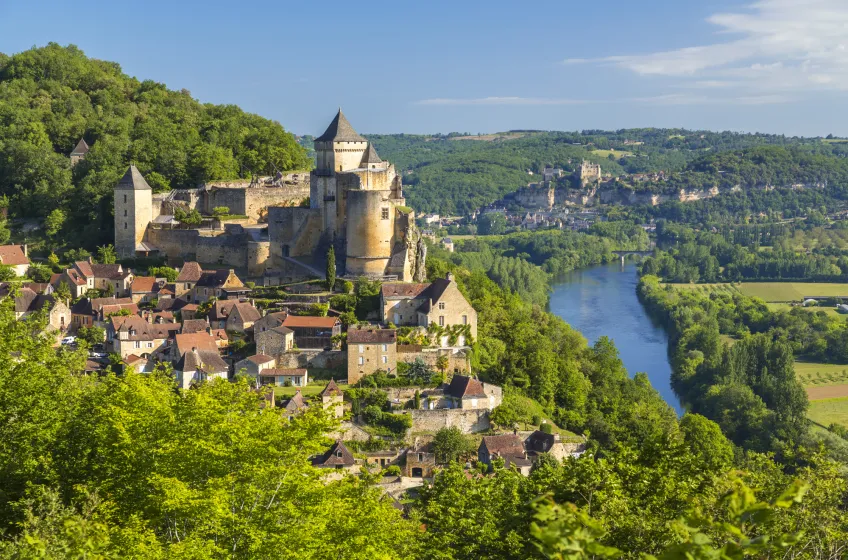
Dordogne is worth visiting for its idyllic countryside, well-preserved medieval villages, world-famous prehistoric art, and exceptional gastronomy. Unlike the more crowded tourist hotspots in France, Dordogne offers a peaceful, authentic experience with a strong sense of place. The region is divided into four historical areas—Périgord Vert, Périgord Blanc, Périgord Pourpre, and Périgord Noir—each with its unique character, from green rolling hills to vineyards and ancient oak forests.
Visitors are drawn to Dordogne’s charming riverside towns, impressive castles perched on cliffs, and stone-built hamlets that seem untouched by time. Its slower pace and rich cultural tapestry make it ideal for romantic getaways, family holidays, or anyone seeking to reconnect with nature and history. Whether you're canoeing on the Dordogne River, exploring a 17,000-year-old cave painting, or enjoying a duck confit by the fire, Dordogne invites you to step back in time and savour every moment.
Dordogne Highlights: Things to See and Do in Dordogne
Sarlat-la-Canéda
Sarlat is perhaps the crown jewel of Dordogne's towns. This impeccably preserved medieval town is famous for its honey-coloured stone buildings, narrow lanes, and bustling Saturday market. Wandering through Sarlat feels like walking onto the set of a historical film. Don’t miss the Place de la Liberté, the heart of town, or the panoramic lift inside the old Sainte-Marie church, offering sweeping views over the rooftops.
Lascaux Caves
The Lascaux Caves near Montignac house some of the most extraordinary examples of prehistoric cave art in the world. Although the original cave is closed to protect the fragile paintings, Lascaux IV, an exact replica, offers a stunning and high-tech visitor experience. It's a fascinating journey back 17,000 years, providing insight into our ancestors' creativity and the mysteries of early human life.
Château de Beynac
This dramatic cliff-top fortress overlooks the Dordogne River and the village of Beynac-et-Cazenac. The château is one of the best-preserved in the region and offers panoramic views, evocative interiors, and tales of medieval battles. Climb the winding paths from the village below for a full medieval immersion, or drive up for easier access.
Canoeing on the Dordogne River
Paddling down the Dordogne River is one of the most peaceful and scenic ways to experience the region. Numerous rental companies operate from towns like La Roque-Gageac, Vitrac, and Castelnaud. Canoeing gives you the chance to drift past castles, limestone cliffs, and tranquil countryside, stopping at riverside beaches or quaint villages for a picnic.
La Roque-Gageac
Tucked between a limestone cliff and the river, La Roque-Gageac is one of France’s "Les Plus Beaux Villages" (Most Beautiful Villages). Its golden façades, tropical gardens, and riverside cafés make it a delight to explore. Take a traditional flat-bottomed boat, called a gabare, for a gentle cruise along the river with commentary about the region’s rich history.
Château de Castelnaud
Facing its rival, Château de Beynac, across the river, Castelnaud is a well-restored medieval castle specialising in the history of warfare. It houses an impressive collection of medieval weaponry and interactive exhibits, making it especially popular with families and history buffs.
Domme
Domme is a bastide town perched high above the river valley, offering breathtaking views. Its grid-pattern streets and fortified walls recall its origins as a military outpost during the Hundred Years' War. Explore the town's cave system beneath the main square or simply enjoy an ice cream with a view at one of its scenic outlooks.
Les Eyzies-de-Tayac-Sireuil
Known as the "Capital of Prehistory", Les Eyzies is home to the National Prehistory Museum and several important archaeological sites. The area is a UNESCO World Heritage Site and makes a perfect base for exploring other prehistoric treasures in the Vézère Valley.
Marqueyssac Gardens
The hanging gardens of Marqueyssac offer one of the most spectacular views in Dordogne. Famous for its beautifully sculpted boxwood hedges and romantic walkways along the cliffs, the garden also hosts candlelit evenings in summer with live music and glowing lanterns—an enchanting experience for visitors of all ages.
Saint-Amand-de-Coly
This lesser-known gem boasts one of the most beautiful Romanesque churches in the region, surrounded by honey-hued houses and serene countryside. It's a lovely stop for a quiet wander and a picnic, far from the crowds.
Vézère Valley
This lush, winding valley is dotted with prehistoric sites, limestone cliffs, and troglodyte dwellings. Highlights include La Roque Saint-Christophe, a vast cliffside settlement carved into rock, and the Font-de-Gaume cave, one of the last places in France where you can see original prehistoric polychrome paintings.
Monpazier
A perfect example of a medieval bastide town, Monpazier is a delight to explore with its arcaded square, artisan shops, and regular markets. Its symmetry and layout are still intact from the 13th century, giving a fascinating insight into planned medieval urban life.
Practical Advice for Visitors
Getting There
Dordogne is best reached by car, though it’s also accessible by train and regional flights. The nearest airports include Bergerac (with seasonal UK flights), Brive-la-Gaillarde, and Bordeaux. Trains from Paris connect to Périgueux or Brive, and from there, local rail or bus services can take you deeper into the region. Driving is ideal for exploring at your own pace, especially the more rural areas.
Parking
Most towns and attractions offer public car parks, often free outside peak hours. In busy places like Sarlat or Beynac, parking can fill up quickly in summer, so aim to arrive early or late in the day. Paid parking is typically affordable, and many towns have designated motorhome areas as well.
Dining
Dordogne is a foodie paradise. Duck and goose are regional staples, with confit de canard, foie gras, and magret de canard appearing on many menus. Don’t miss truffle dishes, walnut cakes, and regional wines from Bergerac. For a top meal, try Le Grand Bleu in Sarlat or La Tour des Vents near Monbazillac. For something casual, village bistros, crêperies, and farmers' markets are wonderful places to sample local fare.
Shopping
Local markets are a highlight, offering everything from fresh produce and cheese to crafts and wine. Sarlat's Saturday market is legendary, while Issigeac and Monpazier also have charming markets in stunning settings. Look for walnut oil, truffle products, handwoven baskets, and pottery. Artisan shops often showcase local talent in woodwork, textiles, and gourmet food.
When to Visit
Spring (April–June) and autumn (September–October) are the best times to visit, with mild weather, fewer crowds, and vibrant landscapes. July and August are popular for families, but towns and roads can get busy. Winter is quiet, with fewer attractions open, but it offers a more intimate look at rural French life, with cosy fireplaces and festive markets.
Local Events
Dordogne hosts several festivals and fairs throughout the year. Sarlat’s Truffle Festival in January and the Gourmet Festival in September celebrate local cuisine. Medieval fairs in Monpazier and Castelnaud bring history to life, while summer music festivals echo through village squares and châteaux courtyards.
Exploring Beyond Dordogne
If time allows, consider day trips to nearby regions. The Lot Valley to the east is similarly beautiful, with Cahors and Rocamadour offering their own charm. Bordeaux is about two hours away and makes for a great city excursion. Closer to Dordogne, the Bergerac wine route or the quiet Périgord Vert with its deep forests and rivers are lovely for an off-the-beaten-path adventure.
Shortlist
- Your Shortlist is empty