
Discover Bergerac | A Visitor's Introduction to Bergerac
Bergerac is a picturesque town nestled in the Dordogne department of southwestern France, lying along the banks of the Dordogne River. Known for its scenic beauty, rich history, and world-renowned wine production, this charming town is a must-visit for lovers of French culture, gastronomy, and countryside charm. With its timber-framed buildings, relaxed riverside atmosphere, and vineyards stretching in every direction, Bergerac offers a tranquil yet vibrant escape into the heart of the Périgord region.
Recommended Bergerac Accommodation: Hotels
Why is Bergerac Worth a Visit?
Bergerac is worth visiting for its unique blend of historical heritage, natural beauty, and viticultural excellence. Once a thriving port and market town, it has maintained much of its old-world character, making it a delight to wander through. The town is famed for its connection to Cyrano de Bergerac, the swashbuckling literary character, and for its position in the heart of one of France’s most celebrated wine regions.
Beyond its cultural appeal, Bergerac is a gateway to the stunning landscapes of the Dordogne Valley. Whether you're navigating the calm waters of the river by kayak, cycling through rolling vineyards, or discovering medieval villages nearby, Bergerac’s laid-back yet engaging atmosphere offers something for every kind of traveller. It’s especially appealing for wine enthusiasts, history buffs, and anyone looking to experience authentic rural France without the crowds of more touristy destinations.
Bergerac Highlights: Things to See and Do in Bergerac
Old Town (Vieux Bergerac)
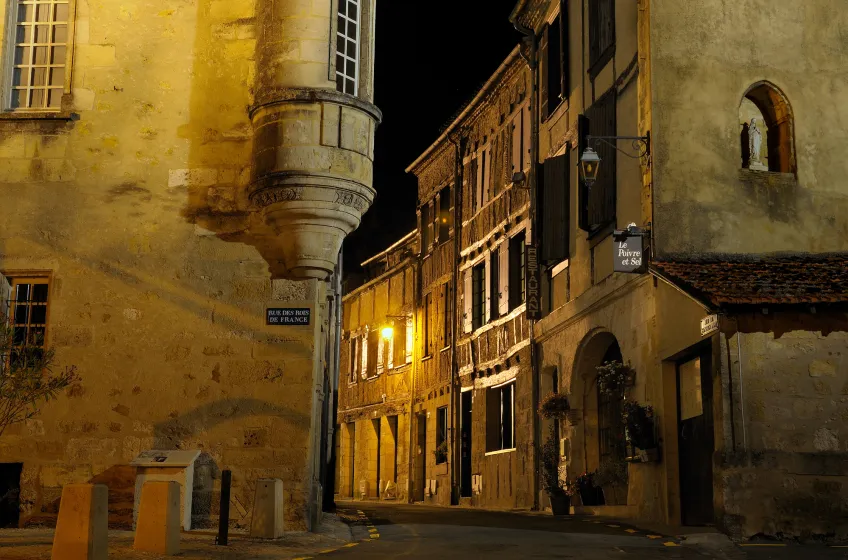
The old town is a maze of narrow lanes lined with half-timbered houses, quaint cafés, and artisan boutiques. Place Pélissière is the heart of this area, with its lively terraces and a statue of Cyrano de Bergerac. It’s a perfect spot for an afternoon coffee or a lazy stroll. Don’t miss the Rue Saint Clar, one of the prettiest streets in town, especially beautiful in the evening light.
Cyrano de Bergerac Statues
Though Cyrano never actually lived in Bergerac, the town has embraced the character with two statues that serve as popular photo spots. One, in Place Pélissière, shows a proud and poetic Cyrano with his trademark long nose, while the other, in front of the Maison des Vins, is a more modern take. They’re symbols of the town’s literary charm and a bit of playful French pride.
Maison des Vins de Bergerac
Housed in a 17th-century cloister, the Maison des Vins offers an engaging introduction to the region’s wine-making history. You can enjoy free tastings, browse local wines, and explore a small museum dedicated to viticulture. The setting alone is worth the visit, and the staff are knowledgeable and welcoming to those eager to learn about Bergerac’s 13 AOC wine appellations.
Bergerac Wine Tours
The area around Bergerac is a treasure trove of vineyards and family-run wineries. Guided wine tours can take you to estates like Château de Tiregand, Château de Monbazillac, or Domaine du Haut Pécharmant. Each offers the chance to taste delicious reds, whites, and the famed Monbazillac sweet wine, often paired with foie gras or local cheeses.
Monbazillac Castle (Château de Monbazillac)
Just 6 km south of Bergerac, this 16th-century château is perched above the Dordogne Valley and surrounded by vineyards. It combines stunning architecture with dramatic views and a fascinating museum inside. Visitors can explore the castle, sample the region’s signature dessert wine, and enjoy panoramic vistas perfect for photographs.
Dordogne River Activities
The Dordogne River is ideal for outdoor pursuits. You can rent a canoe or kayak to glide down the gentle waters, go paddleboarding, or take a traditional flat-bottomed boat tour called a gabarre. These river excursions give a peaceful perspective on the landscape and often include glimpses of local wildlife and riverside châteaux.
Musée du Tabac
Set in the beautiful Récollets Cloister, the Musée du Tabac explores the history of tobacco production in the region, which was once a major local industry. The exhibits are surprisingly engaging, covering everything from the botanical side of tobacco to its cultural impact. It’s a niche museum that adds an unexpected layer to Bergerac’s story.
Saint-Jacques Church
This Romanesque church has undergone several transformations since the 12th century and is a key landmark in Bergerac’s old quarter. It stands out for its distinctive bell tower and stained-glass windows, and serves as a spiritual and historical centrepiece of the town.
Local Markets
Bergerac’s markets are vibrant affairs where you can find everything from fresh produce to truffles, foie gras, cheese, and handmade crafts. The main market days are Wednesday and Saturday in Place Gambetta and Place de la République. They’re a fantastic way to taste the region and meet local producers.
Summer Night Markets (Marchés Gourmands)
During the summer months, Bergerac hosts several night markets where locals and tourists alike gather to enjoy food, wine, and live music under the stars. These festive evenings are a great opportunity to mingle with the community and sample a wide range of regional dishes in a relaxed, open-air setting.
Practical Advice for Visitors
Getting There
Bergerac is well-connected by air, rail, and road. Bergerac Dordogne Périgord Airport is just a few kilometres from the town centre and has seasonal flights from UK cities like London, Bristol, and Birmingham. By train, Bergerac is on the line between Bordeaux and Sarlat-la-Canéda, making it easy to reach by rail. Driving is also a great option, especially if you plan to explore the surrounding wine country and villages.
Parking
Parking in Bergerac is generally easy, with several public car parks around the town centre, including near the Quai Cyrano and Place de la Myrpe. Some offer free short-term parking, while longer stays may incur a small fee. During peak market times, it’s best to arrive early to secure a spot.
Dining
Bergerac boasts a great selection of restaurants ranging from traditional bistros to refined fine dining. For local cuisine, try La Table du Marché Couvert or L’Imparfait, both offering dishes that showcase Dordogne specialities like duck confit, walnut tart, and foie gras. For a more casual meal, Le Vin’Quatre and Le Saint-Jacques offer delicious, well-priced menus. Don’t miss trying Monbazillac wine with dessert, or a glass of Pécharmant red with dinner.
Shopping
The town has a good mix of small boutiques, artisan shops, and local food stores. You’ll find plenty of opportunities to pick up regional products like walnut oil, local wines, preserves, and handmade ceramics. The Maison des Vins also sells a curated selection of the region’s best bottles, which make ideal souvenirs or gifts.
When to Visit
Spring (April to June) and autumn (September to October) are the best times to visit Bergerac, with mild weather, fewer crowds, and beautiful scenery. Summer is livelier, with night markets and festivals, but can get quite hot. Winter is quieter and many attractions have reduced hours, but it’s still a peaceful time to enjoy the town at a slower pace.
Local Events
One of the highlights of the year is the Fête des Vins de Bergerac, usually held in late July or early August, celebrating the region’s wines with tastings, parades, and live music. Another notable event is the Journées du Patrimoine in September, when historical sites open their doors to the public, often with free entry. The town also hosts a Christmas market and festivities during December, which add a cosy, festive charm.
Exploring Beyond Bergerac
There’s plenty to see within a short drive of Bergerac. The hilltop village of Limeuil, where the Dordogne and Vézère rivers meet, is about 40 minutes away and offers stunning river views. The medieval town of Issigeac, with its half-timbered houses and famous Sunday market, is just 20 minutes south. A little further afield, Sarlat-la-Canéda and Les Eyzies (the heart of prehistoric cave art) make for excellent day trips. The wine routes through the Bergerac and Monbazillac vineyards are also ideal for a scenic driving tour.
Bergerac may not shout the loudest among French destinations, but its charm lies in its unhurried pace, welcoming atmosphere, and deep-rooted sense of place. Whether you're sipping wine on a sunny terrace, paddling down the Dordogne, or browsing for truffles at the local market, Bergerac offers a slice of authentic French life that’s hard to forget.
Shortlist
- Your Shortlist is empty