
A Visitor's Introduction to SEA LiFE, Brighton
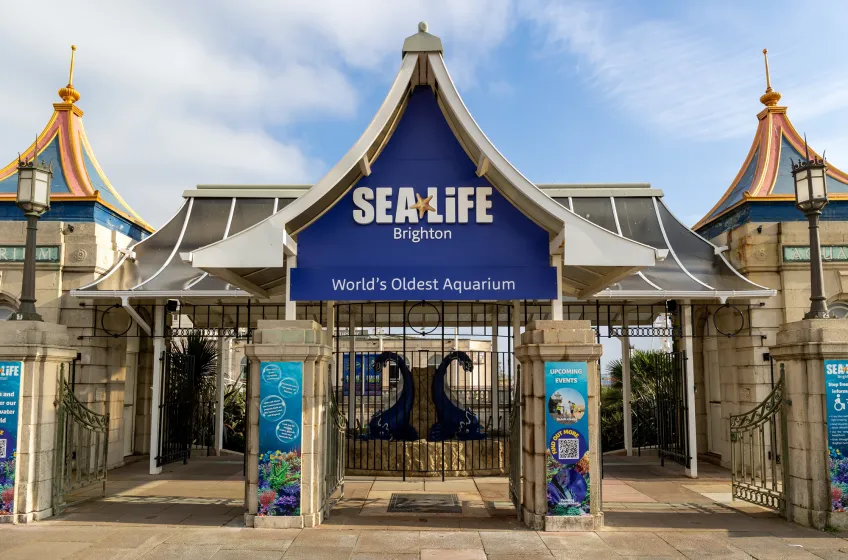
SEA LiFE Brighton is the oldest operating aquarium in the world, having first opened its doors in 1872. Located directly opposite Brighton Palace Pier on Marine Parade, this historic attraction combines Victorian architecture with modern marine conservation and education. Housed in a striking Grade II-listed building, SEA LiFE Brighton features a wide range of marine species from around the globe, including sharks, rays, sea turtles, jellyfish and seahorses. Its arched ceilings, mosaic floors and atmospheric lighting create a unique environment in which visitors can explore underwater habitats, conservation zones, and interactive exhibits.
Today, SEA LiFE Brighton is part of the wider SEA LiFE network, operated by Merlin Entertainments, and is both a popular family destination and a centre for marine awareness. The aquarium's blend of historical charm and contemporary exhibits makes it a distinctive and educational addition to the city's coastal attractions.
Recommended Brighton accommodation: Hotels Bed & Breakfasts Pub Accommodation
Pre-book Brighton Attractions, Tours & Activities, including SEA LiFE Tickets
Why is SEA LiFE worth a visit?
SEA LiFE Brighton offers an immersive experience that is especially suited for families, school groups and anyone with an interest in marine life and conservation. What sets it apart from other aquariums is the setting itself — the Victorian architecture creates a dramatic backdrop for the exhibits, unlike the modern buildings that house most other aquariums. Walking through its echoing vaulted spaces, visitors can view creatures from a wide range of aquatic environments, from tropical reefs to native UK coastlines.
The aquarium also places strong emphasis on conservation, with dedicated areas that highlight environmental issues such as plastic pollution, overfishing, and habitat destruction. Through its breeding and rescue programmes, SEA LiFE Brighton contributes to the protection of vulnerable species and habitats. Interactive tanks, daily talks, feeding demonstrations and themed areas provide both entertainment and education, making it a worthwhile visit for all ages.
Highlights of SEA LiFE Brighton
Victorian Arcade
The original 19th-century architecture is visible throughout the aquarium’s main hall, known as the Victorian Arcade. Its elegant columns, brick archways and detailed tilework frame the aquarium tanks, creating a unique environment that reflects the building’s long history. The contrast between the architecture and the aquatic exhibits adds a distinctive character to the experience.
Ocean Tunnel
One of the centrepieces of SEA LiFE Brighton is the glass Ocean Tunnel, which allows visitors to walk beneath a large tropical tank surrounded by rays, reef sharks, and colourful fish. The tunnel provides a 360-degree view of life beneath the waves and is a popular part of the visit for children and adults alike. The sense of being inside the tank makes for an immersive and photogenic experience.
Day & Night Ocean Experience
This exhibit uses special lighting, soundscapes and design to simulate a 24-hour cycle on a coral reef. Visitors move through areas depicting the transition from daylight to night-time, witnessing how marine life behaves at different times of the day. Fluorescent corals, nocturnal fish and immersive lighting effects create a vivid and engaging environment.
Seahorse Nursery
SEA LiFE Brighton participates in conservation and breeding efforts for several species of seahorse. In the Seahorse Nursery, visitors can observe baby seahorses up close and learn about their life cycle and the threats they face in the wild. Informative signage explains the role of the aquarium in protecting these delicate creatures.
Rainforest Adventure
This section introduces visitors to freshwater species and land-dwelling creatures typically found in tropical rainforests. Animals such as poison dart frogs, turtles, and piranhas are displayed in carefully recreated habitats. The area is designed to educate visitors about rainforest ecosystems and the challenges they face, including deforestation and climate change.
Rockpool Experience
The interactive rockpool exhibit allows visitors to touch and learn about native British sea life such as starfish, sea anemones and crabs. Staff are on hand to guide the experience, explain the creatures’ behaviours and ensure animal welfare. This hands-on area is particularly popular with young children and offers a direct connection with local marine environments.
Shark and Ray Displays
Several tanks throughout the aquarium are dedicated to sharks and rays, including blacktip reef sharks, nurse sharks, and various ray species. Feeding times and educational talks give visitors the opportunity to learn more about these often-misunderstood animals, their role in marine ecosystems, and the threats they face from human activity.
Jellyfish Discovery
The Jellyfish Discovery area showcases multiple species of jellyfish in specially designed cylindrical tanks. Gentle lighting and pulsating currents highlight the otherworldly movement of these creatures. This exhibit is both visually striking and informative, drawing attention to the biological complexity and ecological importance of jellyfish.
Turtle Territory
One of SEA LiFE Brighton’s most beloved residents is Lulu, a rescued green sea turtle. She resides in the large Ocean Display and can often be seen swimming past the tunnel or relaxing in a quiet corner of the tank. Turtle Territory explores the threats faced by sea turtles in the wild, including marine debris and habitat loss, and outlines global conservation efforts.
Feeding Times and Educational Talks
Throughout the day, staff deliver scheduled talks and feeding demonstrations at various exhibits. These sessions are included in the general admission and provide insight into animal care, feeding routines, and conservation efforts. Topics may include shark behaviour, ray adaptations, coral reef protection and seahorse breeding.
Facilities
SEA LiFE Brighton provides a range of visitor facilities designed to ensure a smooth and comfortable experience. The building is accessible to wheelchair users, with ramps and lifts available for most areas, although the historical structure means some tight corridors or uneven surfaces may be present. Visitors with accessibility needs are encouraged to contact the attraction in advance for detailed information.
Toilets, including accessible and baby-changing facilities, are available within the site. A small gift shop is located at the end of the tour route, offering marine-themed souvenirs, toys, books and gifts. While there is no café inside the aquarium itself, SEA LIFE Brighton is surrounded by a wide range of eateries along Marine Parade and the adjacent beachfront.
The aquarium is fully enclosed and climate-controlled, making it a good option for rainy or cold days. The attraction is designed to be explored at a gentle pace and generally takes between 60 and 90 minutes to visit, though visitors are welcome to stay longer.
Photography is permitted in most areas, though flash is discouraged to protect the animals. Lockers are not available on site, so large bags are best left elsewhere. Assistance dogs are welcome, but other pets are not permitted inside.
Nearby Attractions
SEA LiFE Brighton is located in a central area rich with other attractions, many of which are within walking distance.
Just across the road is Brighton Palace Pier, offering traditional seaside amusements, rides and food stalls. A walk along the Brighton Beach promenade provides access to outdoor seating, art installations and small independent shops.
To the west, the i360 Viewing Tower offers panoramic views from a futuristic glass pod that rises 138 metres above the seafront. Along the way, visitors can explore Brighton Fishing Museum and the historic West Pier ruins.
Inland, The Lanes and North Laine offer independent shopping, cafes and street performers in a vibrant, bohemian setting. The Royal Pavilion, a former royal palace with exotic architecture and landscaped gardens, is only a 10-minute walk away. Adjacent to the Pavilion, the Brighton Museum and Art Gallery provides further cultural context and a place to explore art, fashion and local history.
Practical Advice
SEA LiFE Brighton is open daily, typically from mid-morning until late afternoon, though opening times may vary seasonally. Last entry is usually one hour before closing. It is advisable to check the official website before visiting for current times, ticket prices and any temporary closures.
Booking tickets in advance is recommended, especially during weekends and school holidays. Online prices are usually lower than walk-up rates, and timed entry slots help regulate visitor numbers. Combination tickets with other Merlin attractions may also be available, including with the London SEA LiFE or the Brighton i360.
Brighton Station is about 20 minutes’ walk from the aquarium, with frequent train services from London, Gatwick and the South Coast. Local buses stop along Marine Parade and Old Steine, both close to the entrance. Parking in central Brighton is limited, but the High Street NCP, the Lanes Car Park and the Brighton Marina offer options within walking distance.
Visitors should plan for 1.5 to 2 hours at SEA LiFE Brighton. Families with children may want to attend specific talks or feeding times, which are clearly posted inside the aquarium. The attraction is particularly suitable for young children, with exhibits set at eye-level and plenty of interactive opportunities.
On hot or busy days, it may become crowded, especially in narrow sections of the building. Arriving earlier in the day can offer a quieter experience. For those seeking a less crowded visit, weekdays during term time are generally calmer.
Conclusion
SEA LiFE Brighton provides a unique blend of marine education, conservation awareness and historic architecture. As the world’s oldest functioning aquarium, it offers both a journey through ocean ecosystems and a glimpse into Victorian-era design. Its wide range of species, interactive elements and family-friendly layout make it a valuable part of Brighton’s tourism landscape. Whether as a rainy-day activity, an educational outing or a complement to other seafront attractions, SEA LiFE Brighton remains a worthwhile and engaging destination for visitors of all ages.
Shortlist
- Your Shortlist is empty