
A Visitor's Introduction to The Belgian Ardennes
Recommended places to visit, places to stay and things to do in the Belgian Ardennes
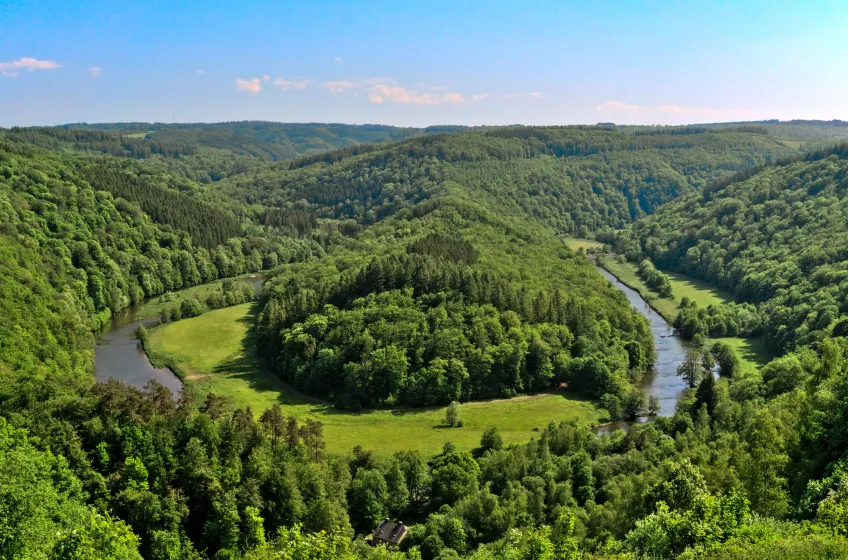
The Belgian Ardennes is a lush, forested region in the southeast of Belgium, stretching across the provinces of Namur, Liège, and Luxembourg. Known for its rolling hills, winding rivers, dramatic valleys, and fairy-tale castles, the Ardennes offers a picture-perfect escape into nature and history. It's the ideal destination for outdoor adventurers, food and beer lovers, history enthusiasts, and anyone seeking a peaceful break from city life.
Steeped in folklore and shaped by a complex past, the Ardennes is also home to charming stone-built villages, ancient abbeys, and some of the country's most scenic driving routes. Whether you want to kayak down the River Lesse, hike through pine-scented forests, or sip a Trappist beer in a cobbled square, the Belgian Ardennes will not disappoint.
Recommended Belgian Ardennes Accommodation: Hotels
Why is the Belgian Ardennes Worth a Visit?
The Belgian Ardennes is worth visiting for its natural beauty, tranquil pace, and rich cultural heritage. Unlike the flatter, more urbanised parts of Belgium, the Ardennes feels wild, rustic, and rooted in the land. The region’s dense forests, carved by meandering rivers and dotted with medieval ruins, make it one of the best places in Belgium to enjoy hiking, cycling, kayaking, and wildlife watching.
But nature is only half the story. The Ardennes has a deep and often dramatic history, from the legends of medieval outlaws to fierce battles during the World Wars—most notably the Battle of the Bulge in 1944–45. Alongside this, you’ll find delightful villages, traditional food, artisan breweries, and a strong local identity that embraces both French- and German-speaking cultures.
Whether you're after action or relaxation, the Belgian Ardennes offers an unforgettable blend of adventure, authenticity, and pastoral charm.
Belgian Ardennes Highlights: Things to See and Do in the Belgian Ardennes
Durbuy: The Smallest City in the World
Often billed as the “smallest city in the world,” Durbuy is a gem of cobbled streets, flower-filled lanes, and historic stone buildings nestled along the River Ourthe. Despite its tiny size, Durbuy is a major draw for visitors thanks to its romantic setting, boutique shops, and excellent restaurants. The town’s topiary park, filled with sculpted bushes and whimsical shapes, adds a quirky twist, and the surrounding hills provide great hiking routes.
La Roche-en-Ardenne
Set in a bend of the River Ourthe and watched over by a ruined medieval castle, La Roche-en-Ardenne is one of the Ardennes’ most photogenic towns. Visit the Château Féodal for panoramic views and explore the local Battle of the Bulge Museum for insight into the region’s wartime history. The town is also a hub for outdoor activities like kayaking, hiking, and mountain biking.
Bouillon and Bouillon Castle
Overlooking the River Semois, Bouillon Castle is one of Belgium’s most impressive medieval fortresses, originally linked to Godfrey of Bouillon, a leader of the First Crusade. The town of Bouillon is equally appealing, with riverside cafés, scenic walks, and the Ducal Museum showcasing local art and history. Don’t miss the falconry displays at the castle during summer.
Dinant
With its dramatic clifftop citadel, onion-domed collegiate church, and position squeezed between the River Meuse and steep rock walls, Dinant is visually stunning. Take the cable car or climb the 408 steps to the citadel for spectacular views and exhibits on the town’s military history. Dinant is also the birthplace of Adolphe Sax, inventor of the saxophone—look out for quirky sax-themed statues around town.
Bastogne and the Battle of the Bulge Sites
Bastogne is central to the history of World War II and the Battle of the Bulge. Visit the Bastogne War Museum and the Mardasson Memorial, which pay tribute to the American forces who fought to defend the town in the winter of 1944–45. Nearby villages like Foy, Recogne, and Noville also contain memorials and battle remnants, making Bastogne an essential stop for military history enthusiasts.
Han-sur-Lesse Caves and Wildlife Park
The Grottes de Han, or Caves of Han in Han-sur-Lesse, are among the largest and most spectacular cave systems in Europe. Guided tours take you deep underground to marvel at vast caverns, stalactites, and an underground river. The nearby Han Wildlife Park is home to European bison, lynx, wolves, and brown bears in a natural setting, accessible via safari-style trams or walking trails.
Spa and the High Fens
The town of Spa has given its name to mineral spring resorts worldwide and is still a haven for wellness seekers. Visit the Thermes de Spa for a soak in the natural hot springs, and stroll around the historic old town. Nearby, the Hautes Fagnes (High Fens) plateau is a unique moorland landscape that feels unlike anywhere else in Belgium. It’s ideal for walking and birdwatching, especially in spring and autumn.
Chimay Abbey and Trappist Beer
Beer lovers will find heaven in the Ardennes, where several Trappist abbeys still brew beer according to centuries-old monastic traditions. Chimay Abbey, the most famous, offers tours of its brewery and museum, and you can sample Chimay beers with matching local cheeses at the nearby Auberge de Poteaupré. Other notable beer stops include Rochefort and Orval.
Hiking in the Semois Valley
The Semois River winds through some of the Ardennes’ most scenic landscapes, with peaceful villages, deep wooded valleys, and dramatic viewpoints. The Tombeau du Géant (Giant’s Tomb) is one of the most famous lookouts, near Botassart, offering stunning vistas over a loop in the river. Hiking trails are well marked and range from gentle strolls to more challenging climbs.
Hotton and the River Ourthe
The area around Hotton is popular for its access to the Ourthe Valley, with family-friendly walks, caves, and kayaking opportunities. The Hotton Caves are less well-known than Han but equally spectacular and less crowded. The nearby village of Ny is also one of the prettiest in Wallonia.
Euro Space Center
For something a bit different, the Euro Space Center near Transinne offers space-themed exhibitions, simulators, and hands-on experiences ideal for families. It’s a great wet-weather alternative or a break from more traditional sightseeing.
Practical Advice for Visitors
Getting There
The Belgian Ardennes is best reached by car, as public transport is limited in rural areas.
-
By Car: From Brussels, most Ardennes destinations are 1.5 to 2.5 hours away. The E411 and E25 motorways connect major towns like Namur, Liège, and Bastogne to the Ardennes heartland.
-
By Train: Trains run from Brussels to Namur, Liège, and Marloie, with connecting services or buses to smaller towns like La Roche, Durbuy, and Bouillon.
-
By Air: The nearest airports are Brussels Zaventem, Charleroi, and Liège. Car hire is recommended upon arrival.
Parking
Most towns and villages in the Ardennes have ample parking, often free or inexpensive. In tourist-heavy spots like Durbuy and Dinant, arrive early to secure a good space, especially in summer and on weekends.
Dining
The Ardennes is known for rustic, hearty cuisine. Look out for:
-
Ardennes ham – salt-cured and smoked meat, often served as a starter.
-
Game dishes – venison, wild boar, and duck are common in autumn and winter menus.
-
Trout – often served grilled or with almonds.
-
Tarte au riz (rice tart) and La Couque de Dinant (a hard honey biscuit).
Local beers are a highlight, with many towns having their own brews. In rural inns and fermes-auberges, expect seasonal, farm-to-table fare served in generous portions.
Shopping
Many Ardennes towns have craft markets and artisan shops. Look for local honey, handmade cheeses, charcuterie, and woodcrafts. In Durbuy, Rochefort, and La Roche, you’ll find boutique shops selling home decor, chocolate, and regional souvenirs.
When to Visit
-
Spring (April–June): Ideal for hiking, wildflowers, and riverside walks.
-
Summer (July–August): Warm, lively, and great for outdoor sports and festivals.
-
Autumn (September–October): Stunning foliage and traditional harvest festivals.
-
Winter (December–February): Cosy villages, fewer crowds, and potential snow for winter walks or low-key skiing in areas like the High Fens and Baraque de Fraiture.
Local Events
-
Festival of the Medieval in Bouillon (August): Knights, markets, and medieval music.
-
Beer and Cheese Festivals in various towns.
-
Les Médiévales de Durbuy (May): Historical reenactments and crafts.
-
Christmas Markets: In Spa, Stavelot, Bastogne, and other towns.
Exploring Beyond the Ardennes
If you have more time, consider exploring nearby regions:
-
Namur: The elegant capital of Wallonia with its impressive citadel and riverside cafés.
-
Liège: A dynamic city with a rich industrial history, riverside walks, and excellent food.
-
Luxembourg City: Just across the border, offering culture, history, and shopping.
The Belgian Ardennes is one of Europe’s quiet treasures—a region where forest meets folklore, and nature meets history. Whether you're wandering through a riverside village, delving into a war museum, or sipping a Trappist beer under the trees, you’ll find the Ardennes offers a deeply satisfying and richly varied escape. It’s a place to slow down, breathe in the pine-scented air, and discover the hidden soul of rural Belgium.
Shortlist
- Your Shortlist is empty