
Arundel Castle | A Visitor's Introduction to Arundel Castle
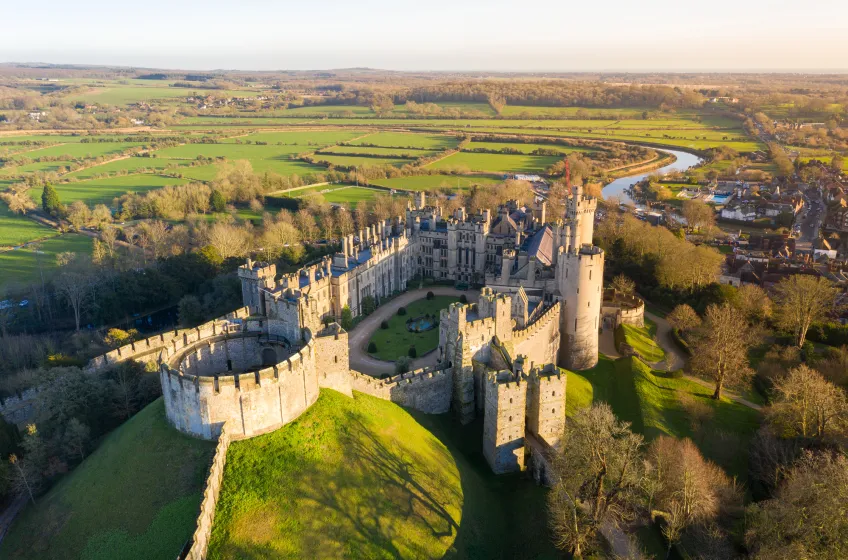
Arundel Castle, located in the historic market town of Arundel in West Sussex, England, is one of the most complete and visually striking medieval castles in the country. Set atop a hill overlooking the River Arun, the castle has been the seat of the Dukes of Norfolk and their ancestors for over 850 years. With its well-preserved Norman keep, Gothic-style architecture, extensive grounds and gardens, and an impressive collection of art and historical artefacts, Arundel Castle presents a rich and engaging experience for visitors. The castle and its grounds are open to the public seasonally, attracting thousands of visitors annually who come to explore its centuries-old heritage and enjoy its spectacular setting.
Recommended Arundel accommodation: Hotels Bed & Breakfasts Pub Accommodation
Why Is Arundel Castle Worth a Visit?
Arundel Castle offers a rare opportunity to step inside a historic aristocratic residence that remains in use by one of England’s oldest noble families. The structure encompasses architectural features from nearly every phase of English castle building, from the Norman period through to the Victorian era. Its layered history is evident not only in the stonework but also in the carefully curated interior rooms, including stately halls, bedrooms, a library, and a chapel, each filled with period furnishings, paintings, tapestries, and rare artefacts.
In addition to its historical significance, the castle hosts a wide variety of seasonal events and re-enactments, which bring to life key moments from English history. From medieval jousting tournaments and living history days to open-air Shakespeare performances, these events make the castle a dynamic and engaging place to visit throughout the year. The castle gardens, particularly the Collector Earl’s Garden, are also a major attraction in their own right, offering a peaceful and beautifully designed setting that contrasts with the imposing strength of the castle walls.
Arundel Castle Highlights
The Norman Keep
The oldest part of the castle, dating from the 11th century, the Norman Keep stands at the highest point of the site. Visitors can climb the steep stone steps to the top of the keep for panoramic views of the surrounding Sussex countryside, the River Arun, and the South Downs. The keep's thick stone walls, arrow slits, and basic internal structures provide insight into the castle's original defensive function.
The Castle Gatehouse and Barbican
Approaching the castle, visitors pass through the dramatic gatehouse and barbican, added in the 13th century. This entrance, flanked by massive towers and secured by a portcullis and drawbridge, demonstrates the strong military design elements characteristic of a working medieval fortress.
The Grand Apartments
The interior of the castle contains a series of finely furnished rooms that reflect the taste and prestige of the Dukes of Norfolk. Highlights include the Baron’s Hall, a grand room with a hammer-beam roof and stained glass windows; the Drawing Room, decorated in opulent Victorian style; and the Dining Room, which showcases portraits and tapestries alongside long oak tables. Each room is carefully preserved and gives insight into how the aristocracy lived across different eras.
The Library
The castle’s library is a richly decorated room with an extensive collection of rare books, fine wood panelling, and portraits of the Howard family, who have owned the castle for generations. The collection includes early printed volumes and family documents dating back several centuries.
The Fitzalan Chapel
The Fitzalan Chapel, which adjoins the castle and is still used for Roman Catholic worship, dates from the 14th century and is the burial place of many members of the Howard family. The chapel features a fine collection of medieval and Tudor tombs, including intricately carved alabaster effigies.
The Collector Earl’s Garden
Opened in 2008 within the castle grounds, the Collector Earl’s Garden is a formal garden dedicated to the 14th Earl of Arundel, a notable patron of the arts during the 17th century. Designed with architectural elements and exotic plants, the garden features fountains, pavilions, and rare plants set within an imaginative and historically inspired layout.
The Medieval and Stew Ponds Gardens
In addition to the Collector Earl’s Garden, Arundel Castle includes several other garden areas, including herbaceous borders, wildflower meadows, and a water garden. These landscaped areas are particularly attractive in spring and summer and provide space for relaxation and exploration.
Armoury and Historic Displays
The castle includes an armoury displaying weapons, suits of armour, and military artefacts from various periods. These collections illustrate the martial role of the castle and its occupants through England’s turbulent history.
Seasonal Re-enactments and Events
One of Arundel Castle's distinguishing features is its programme of live events. During the open season, the castle hosts medieval tournaments, falconry displays, and re-enactments of battles from the Wars of the Roses. These events often feature costumed performers, weapon demonstrations, and interactive activities that appeal to both children and adults.
Art Collections
Arundel Castle is home to an extensive art collection, including works by Van Dyck, Gainsborough, and Canaletto. The artworks, many of which have been in the Howard family for centuries, are displayed throughout the castle and reflect the tastes of different generations of the family.
Facilities
Arundel Castle provides a full range of visitor facilities aimed at ensuring a comfortable and enjoyable experience. There is a café serving hot and cold food, drinks, and snacks, often using locally sourced ingredients. A gift shop is located near the entrance, offering a range of books, souvenirs, and items themed around the castle and its history.
Toilets, including accessible facilities, are located near the entrance and within the grounds. Paths throughout the gardens are mostly accessible, though the keep and some parts of the historic structure involve steep steps and uneven surfaces that may be challenging for visitors with limited mobility.
Free guided tours are available for many of the interior rooms, led by knowledgeable volunteers. Audio guides may also be offered. Picnic areas are designated within the grounds, making it a suitable location for family visits.
Nearby Attractions
Arundel itself is a picturesque town known for its Georgian and Victorian architecture, independent shops, antique markets, and riverside walks. Just a short walk from the castle is Arundel Cathedral, a striking Gothic Revival church built in the 19th century by the 15th Duke of Norfolk. Its soaring spire and richly decorated interior make it a worthwhile visit.
The River Arun offers opportunities for boating and riverside walks, while Swanbourne Lake, situated within Arundel Park, is ideal for paddle boating and wildlife watching. The Wetland Centre, operated by the Wildfowl & Wetlands Trust (WWT), is another nearby attraction, home to a wide variety of bird species and set in a peaceful landscape of reedbeds and lagoons.
Further afield, the South Downs National Park provides extensive walking and cycling routes through one of England’s most scenic landscapes. Historic sites such as Petworth House and Parham House are within driving distance, offering further insights into the region's aristocratic heritage.
Practical Advice
Arundel Castle is typically open to the public from April through to the end of October, though exact dates can vary year to year. It is advisable to check the official website before visiting, particularly to confirm opening hours and any special events or closures.
Tickets are tiered depending on how much of the castle and grounds a visitor wishes to explore. Options usually include grounds and gardens only, castle interiors, or full admission including the keep. Discounts are available for children, students, seniors, and families, with annual membership schemes also offered.
The site is best accessed by train or car. Arundel Railway Station is a 10–15-minute walk from the castle and provides direct connections to London, Brighton, and other destinations. Paid parking is available in the town centre and at designated car parks nearby.
Comfortable walking shoes are recommended, as parts of the site involve slopes, gravel paths, and stone staircases. While dogs are not permitted within the castle grounds (except assistance dogs), the nearby parklands and riverside walks are dog-friendly.
Photography is allowed in the grounds and gardens but is usually restricted inside the castle rooms. For those interested in heritage and landscape photography, the views from the keep and gardens are especially rewarding.
Visitors planning to attend one of the castle’s special events should consider booking tickets in advance, as popular weekends—such as medieval tournaments—often sell out. These events may also impact regular access to certain parts of the site, so checking schedules ahead of time is recommended.
Arundel Castle provides a rich and varied experience for those interested in history, architecture, art, gardens, or simply enjoying a day out in a well-preserved heritage setting. Whether attending an event, exploring the keep, or wandering through the tranquil gardens, visitors are rewarded with a memorable and educational experience in one of England’s finest castles.
Shortlist
- Your Shortlist is empty