
Amberley Museum | A Visitor's Introduction to Amberley Museum
Amberley Museum, located in the South Downs National Park near the village of Amberley in West Sussex, is a large open-air heritage site dedicated to the industrial, transport and communications history of the region. Covering 36 acres of a former chalk quarry and limeworks, the museum preserves and presents a wide range of exhibits, workshops, and working machinery. Since opening in 1979, it has developed into one of the most significant industrial heritage attractions in southern England, offering visitors the opportunity to explore historic crafts, traditional industries, and modes of transport in an authentic setting.
Recommended Arundel accommodation: Hotels Bed & Breakfasts Pub Accommodation
Why Is Amberley Museum Worth a Visit?
Amberley Museum is worth visiting for its breadth of collections and the immersive way it tells the story of rural and industrial life in the South East. Unlike many museums confined to indoor galleries, Amberley allows visitors to explore a large outdoor site where historic buildings, restored workshops, and working machinery bring history to life. From printworks and wheelwrights to telecommunications and vintage transport, the museum offers insights into industries that shaped everyday life during the 19th and 20th centuries.
The museum is also highly interactive, with demonstrations, working exhibits, and opportunities to talk with skilled volunteers who share their knowledge of traditional crafts and technologies. Special event days, such as vintage vehicle rallies, steam weekends, and seasonal celebrations, further enhance the experience and attract repeat visitors.
Amberley Museum Highlights
Narrow-Gauge Railway
The museum has its own narrow-gauge railway, which operates on a circuit around the site. Originally used to transport chalk and lime, it now carries visitors, offering both a practical way to navigate the large museum and a heritage attraction in its own right. The trains, often hauled by restored locomotives, give a sense of how quarry workers once moved materials around the site.
Historic Lime Kilns
Amberley Museum is set within the remains of an old chalk quarry and limeworks, and the preserved lime kilns provide a striking reminder of the site's industrial origins. Interpretive displays explain the processes of lime burning, which was an important local industry, and visitors can walk among the towering structures to gain a sense of the scale of operations.
The Print Workshop
One of the most popular exhibits is the working print shop, where traditional letterpress printing techniques are demonstrated. Visitors can see printing presses in action and learn how newspapers, posters, and books were produced before the age of digital technology.
Telecommunications Hall
The museum houses an extensive telecommunications collection, including early telephones, switchboards, and broadcasting equipment. This area explores the rapid technological changes of the 20th century and is of particular interest to those keen on the history of communication.
The Connected Earth Exhibition
Developed in partnership with BT, this exhibition focuses on the history of telecommunications and showcases historic equipment alongside interactive displays. It connects the story of local exchanges and telephone technology to the broader development of global communications.
The Wheelwrights’ and Blacksmiths’ Workshops
Amberley has a number of working craft workshops where traditional skills are kept alive. The wheelwrights’ shop demonstrates the craft of building and repairing wooden wheels, while the blacksmiths’ forge shows metalworking techniques that have changed little over centuries. Demonstrations are regularly held, providing insight into the skill involved.
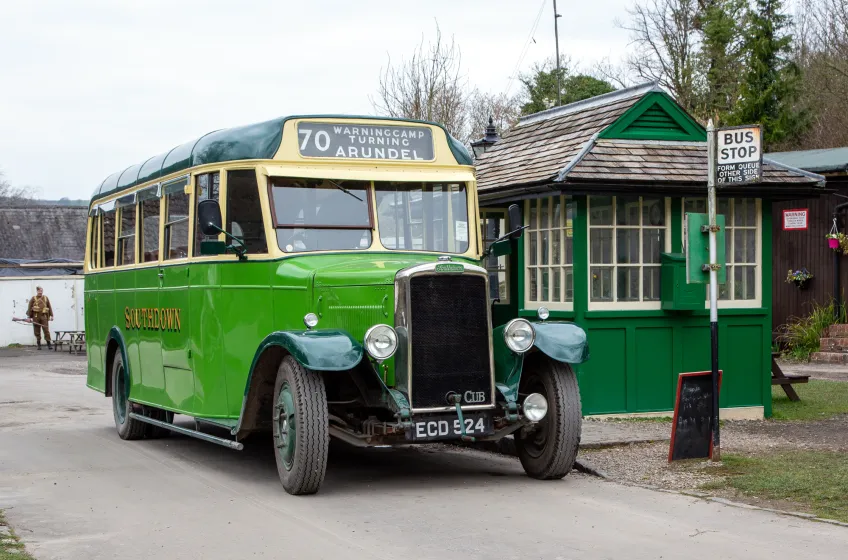
The Southdown Bus Collection
The museum includes a large collection of historic buses and coaches, many of them associated with the Southdown Motor Services company. Some are maintained in working condition and operate rides for visitors on event days, offering a nostalgic experience of mid-20th century bus travel.
The Fire Station and Vehicle Displays
Amberley’s fire station display includes a range of historic fire engines and equipment, tracing the development of firefighting technology. Alongside this, other vintage vehicles – from cars and motorcycles to commercial lorries – are displayed across the site.
Electricity Hall
The Electricity Hall showcases the history of power generation and distribution. Exhibits include early domestic appliances, generators, and displays explaining how electricity transformed both households and industries.
Pottery and Brickmaking
The museum also features exhibits related to pottery and brickmaking, industries that were once widespread in the region. Displays explain how clay was shaped, fired, and used in local building traditions.
Working Demonstrations and Volunteer Interaction
A key highlight of Amberley Museum is the chance to see skilled volunteers at work. On many days, visitors can observe traditional crafts in action, such as pottery, woodturning, and metalworking. These demonstrations add a dynamic and engaging element to the museum experience.
Special Events Programme
Throughout the year, Amberley hosts themed events including classic car shows, steam days, heritage craft festivals, and seasonal celebrations like Christmas weekends. These events often feature visiting exhibitors and additional activities for families, making them particularly popular with repeat visitors.
Facilities
Amberley Museum is well equipped to accommodate a wide range of visitors. A café serves hot and cold meals, drinks, and snacks, with outdoor seating available during good weather. A gift shop near the entrance offers books, toys, souvenirs, and items linked to the museum’s themes.
There are toilet facilities throughout the site, including accessible toilets. Much of the museum is accessible to wheelchair users, though some historic buildings and steep paths can be more challenging. The railway and some bus services offer step-free access.
The museum provides covered areas and indoor galleries, meaning visits remain enjoyable even in wet weather. Picnic areas are available for those wishing to bring their own food. Car parking is free and located close to the entrance.
Nearby Attractions
Amberley village itself is one of the most picturesque in West Sussex, with traditional cottages, a medieval church, and access to riverside walks along the River Arun. Amberley Castle, now a luxury hotel and restaurant, is another historic site in the village, though it is only open to overnight guests and diners.
Just a short drive away is Arundel, with its impressive castle and cathedral, antique shops, and riverside setting. The South Downs National Park provides ample opportunities for walking, cycling, and exploring the Sussex countryside. Pulborough Brooks, managed by the RSPB, is nearby and offers birdwatching opportunities in a scenic wetland setting.
For those interested in cultural attractions, Petworth House and Park, managed by the National Trust, is within easy reach and houses one of the finest art collections in the country.
Practical Advice
Amberley Museum is typically open from March through to late autumn, with shorter opening hours outside the main season. It is advisable to check the museum’s official website for current times, admission prices, and details of special events. Tickets can be booked in advance, especially for popular event days.
The museum is best accessed by car, with free parking on site. However, Amberley Railway Station is directly adjacent to the museum entrance, making it easy to reach by train from London, Brighton, or Portsmouth.
Comfortable footwear is recommended, as the site is large and involves walking on uneven ground. Families with children should allow several hours to fully explore the museum and enjoy the demonstrations and rides. Dogs on leads are permitted in the outdoor areas, though not inside certain buildings.
Photography is generally allowed throughout the site, making it an excellent location for those interested in industrial heritage photography. Visitors planning to attend special events should arrive early, as these days can become busy.
Amberley Museum offers a varied and engaging experience, combining industrial history, traditional crafts, and transport heritage in a unique open-air setting. Whether exploring at leisure, joining a demonstration, or attending a themed event, visitors gain a vivid impression of the skills and industries that shaped life in southern England.
Shortlist
- Your Shortlist is empty