
Discover Alsace | A Visitor's Introduction to Alsace
Recommended places to visit, places to stay and things to do in Alsace
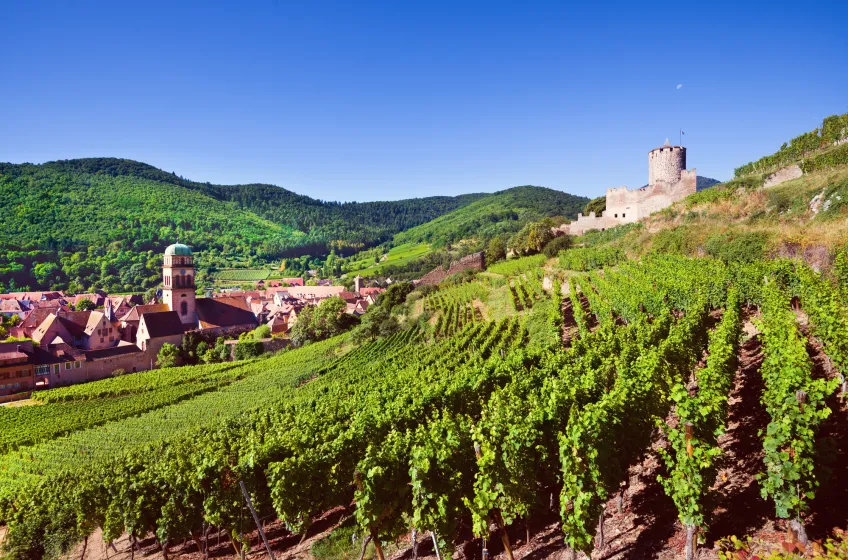
Alsace is a culturally rich and visually stunning region in northeastern France, nestled between the Vosges Mountains and the Rhine River, and bordering both Germany and Switzerland. Known for its storybook villages, half-timbered houses, fairytale castles, and vineyards that trace rolling hills, Alsace blends French and German influences in a way that’s entirely unique. From its wine route and regional cuisine to its medieval towns and Christmas markets, Alsace is one of Europe’s most distinctive and rewarding travel destinations.
Whether you're interested in history, architecture, gastronomy, or scenic road trips, Alsace offers a compact yet diverse area that feels both rich in heritage and effortlessly charming. It’s the perfect region for slow travel, especially if you're drawn to a mix of rustic elegance and vibrant local life.
Includes the départements: Bas-Rhin Haut-Rhin
Recommended Alsace accommodation: All Hotels 4&5 Star Luxury Hotels Chateau Hotels Budget Hotels Family-Friendly Hotels Spa & Wellness Hotels Bed & Breakfasts
Why is Alsace Worth a Visit?
Alsace is worth visiting for its blend of cultures, gorgeous landscapes, and exceptional food and wine. Over centuries, the region has changed hands between France and Germany, creating a distinct identity that’s visible in everything from the bilingual street signs to the architecture and the regional dialect.
It’s one of the best places in Europe for scenic drives, especially along the famed Route des Vins d’Alsace, where vines spill down hillsides and medieval villages appear around every bend. The region is also known for producing some of the world’s finest white wines, especially Riesling and Gewürztraminer.
If you’re visiting in December, the Alsace Christmas markets are legendary — towns like Strasbourg, Colmar, and Kaysersberg transform into twinkling winter wonderlands. Yet Alsace is just as enchanting in spring and summer, when flower boxes spill colour onto cobbled lanes, and mountain trails open up for hiking and cycling.
Alsace Highlights: Things to See and Do in Alsace
Strasbourg
Alsace’s capital, Strasbourg, is a vibrant European city and home to the European Parliament, but also a place of deep historic charm. The Grande Île, the city’s UNESCO-listed centre, is filled with narrow alleys, riverside quays, and half-timbered houses.
Highlights include:
-
Strasbourg Cathedral – a Gothic masterpiece with a stunning astronomical clock and panoramic views from the spire
-
La Petite France – a charming district of canals and cobbled streets
-
Boat tours on the Ill River – a relaxing way to take in the cityscape
Strasbourg blends medieval atmosphere with modern energy, and its restaurants serve some of the best Alsatian cuisine you’ll find.
Colmar
Often called the "jewel of Alsace", Colmar is the postcard-perfect embodiment of the region. Its historic centre is a riot of colour, timbered façades, and flower-decked balconies.
Top attractions include:
-
Little Venice (La Petite Venise) – a beautiful area with canals and pastel-coloured houses
-
Unterlinden Museum – home to the famous Isenheim Altarpiece
-
Wine cellars and tasting rooms – Colmar is a major stop on the wine route
Wandering Colmar feels like stepping into a fairytale — especially in spring or during the Christmas market season.
Alsace Wine Route (Route des Vins d’Alsace)
This legendary 170-kilometre route winds through the foothills of the Vosges and connects over 70 wine villages. It’s one of the most scenic and celebrated wine routes in Europe.
Key villages along the route include:
-
Riquewihr – a perfectly preserved medieval village, famous for its Riesling and charm
-
Eguisheim – circular lanes of timber-framed houses, and often voted one of France’s most beautiful villages
-
Kaysersberg – full of floral displays, vineyards, and castle ruins
Wine tasting is a must — many local winstubs and domaines offer walk-in tastings and tours. Just make sure to have a designated driver or take your time on foot or bike.
Haut-Koenigsbourg Castle
This spectacular medieval fortress, perched high above the plains of Alsace, is one of the region’s most iconic sites. Château du Haut-Koenigsbourg was restored in the early 20th century and offers:
-
Reconstructed medieval interiors
-
Panoramic views over the Alsace plain
-
Insight into the region’s strategic importance through history
It’s a family-friendly site and makes for a great half-day trip with a picnic and a camera.
Mulhouse and the Cité de l’Automobile
Mulhouse is Alsace’s industrial and creative centre, less picturesque than Colmar but home to one of the world’s greatest car museums. The Cité de l’Automobile showcases more than 400 classic cars, including the largest collection of Bugattis on Earth.
Mulhouse also has:
-
The Cité du Train – an extensive railway museum
-
A growing arts and street culture scene
-
Proximity to the Vosges Regional Nature Park
It’s a surprising city that rewards curious travellers.
Vosges Mountains and Alsace Villages
The Vosges Mountains provide a dramatic backdrop to Alsace and are ideal for hiking, cycling, and driving. Scenic mountain passes like the Route des Crêtes offer exceptional views, especially in autumn.
Within the hills, you’ll find charming, less-touristy villages such as:
-
Orbey
-
Munster – known for its famously strong cheese
-
Sainte-Marie-aux-Mines – linked to silver mining and textile heritage
Many of these make excellent bases for walking trails, especially in spring and early autumn when the crowds thin out.
Christmas Markets (Marchés de Noël)
Alsace is synonymous with Christmas markets. From late November through December, towns light up with festive cheer, wooden chalets, mulled wine, and handmade crafts.
The biggest and most famous markets are:
-
Strasbourg – considered the oldest and one of the largest in Europe
-
Colmar – with multiple themed markets throughout the old town
-
Kaysersberg – a more intimate and traditional setting
The atmosphere is magical, and many towns also host festive concerts, nativity scenes, and night markets.
Regional Food and Drink
Alsace is a culinary powerhouse, with hearty, comforting food and some of France’s most unique dishes. Don’t miss:
-
Tarte flambée (flammekueche) – thin pizza-like flatbread with cream, onions, and lardons
-
Choucroute garnie – sauerkraut served with sausages and meats
-
Baeckeoffe – a slow-cooked dish of meat, potatoes, and onions in white wine
-
Kugelhopf – a yeasted cake with almonds and raisins, perfect with coffee
-
Alsace wines – especially Riesling, Pinot Gris, and Gewürztraminer
Pair your meal with local beer or a crisp white wine — and don’t be surprised if you're offered both!
Practical Advice for Visitors
Getting There
By air: The closest airport is EuroAirport Basel-Mulhouse-Freiburg, about 30 minutes from Mulhouse and an hour from Colmar. Strasbourg International Airport also connects to several European cities.
By train: High-speed TGV trains connect Strasbourg and Colmar to Paris, Lyon, and other major French cities. From Paris to Strasbourg, the journey takes just under 2 hours.
By car: Alsace is ideal for self-driving — especially if you plan to explore the wine route and hilltop villages. The A35 motorway runs north to south, making travel between towns easy.
Getting Around
-
Train: Fast and reliable between Strasbourg, Colmar, and Mulhouse
-
Car hire: Best for exploring villages, mountains, and vineyards
-
Bike: Popular and safe, especially around Colmar and along vineyard trails
-
Local buses: Do exist but are limited in rural areas
Where to Eat
You’ll find a great mix of traditional winstubs, modern bistros, and Michelin-starred restaurants. Some standout places include:
-
Winstub La Taverne (Colmar) – rustic and atmospheric
-
Chez Yvonne (Strasbourg) – a Strasbourg institution
-
Auberge de l’Ill (Illhaeusern) – 2-star Michelin dining on the river
-
Le Chambard (Kaysersberg) – elegant but rooted in Alsace traditions
It’s always wise to book ahead, especially in smaller towns or during festivals.
When to Visit
-
Spring (April–June): Green vineyards, blossom-filled villages, fewer tourists
-
Summer (July–August): Warm, festive, great for hikes and wine festivals
-
Autumn (September–October): Harvest time, golden vineyards, wine tastings
-
Winter (late November–December): Magical Christmas markets and snowy rooftops
Avoid August if you dislike crowds, as it’s a popular time for both local and European holidaymakers.
Events and Festivals
-
Strasbourg Christmas Market – late November to Christmas Eve
-
Colmar Wine Fair – early August
-
Pfifferdaj Festival, Ribeauvillé – medieval parade in early September
-
Alsace Wine Marathon – Colmar, usually in September
-
Easter and Pentecost Markets – spring markets in towns like Mulhouse and Kaysersberg
Each village often hosts local wine festivals, complete with music, folk dancing, and open cellar days.
Language Tips
Alsace is part of France, and French is the official language. However, many locals also speak Alsatian (a Germanic dialect), and German is widely understood — particularly closer to the border.
In tourist areas, English is spoken, especially in hotels and restaurants, but learning a few French phrases will go a long way in smaller villages.
Alsace is a region that defies expectations — neither fully French nor fully German, yet unmistakably Alsatian. With its floral villages, misty hills, rich traditions, and outstanding cuisine, it offers a kind of timeless travel experience. Whether you’re sipping wine in a medieval courtyard, hiking to a ruined castle, or browsing a Christmas market, Alsace charms at every turn.
Shortlist
- Your Shortlist is empty