
A Visitor's Introduction to Alpes-de-Haute-Provence
Recommended places to visit, places to stay and things to do in Alpes-de-Haute-Provence
Alpes-de-Haute-Provence is a spectacular and varied department in the South of France, located in the Provence region. Sandwiched between the Alps and the rolling lavender fields of Provence, this vast and largely rural area is beloved for its wild beauty, peaceful villages, star-filled skies, and deep-rooted Provençal traditions. With snow-capped peaks in the north and sun-drenched plateaux in the south, it offers one of the richest natural and cultural landscapes in France.
Ideal for lovers of the outdoors, slow travel, and authentic regional charm, Alpes-de-Haute-Provence is a destination where you can hike in the mountains one day and stroll through fields of lavender the next. It’s less visited than other parts of Provence, which makes it perfect for travellers looking to escape the crowds and connect with the real, rustic South of France.
Recommended Alpes-de-Haute-Provence Accommodation: Hotels
Why is Alpes-de-Haute-Provence Worth a Visit?
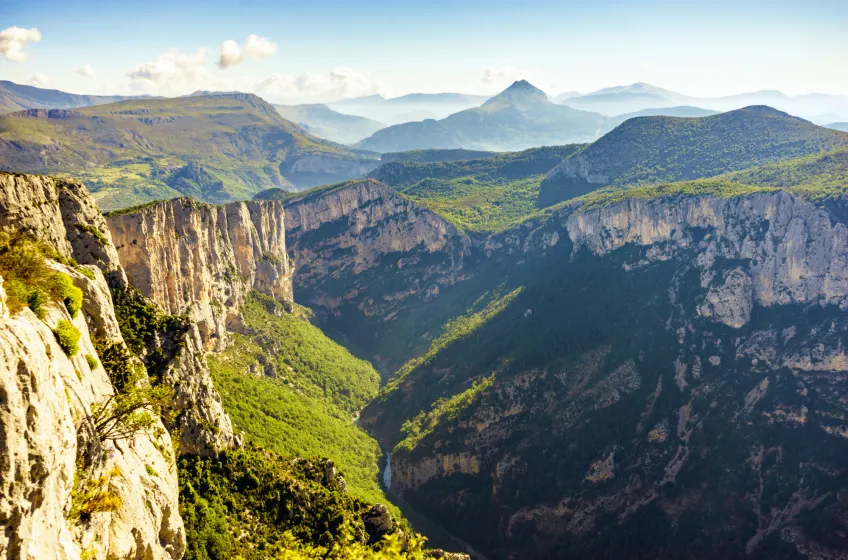
Alpes-de-Haute-Provence is worth visiting for its extraordinary range of landscapes, tranquil pace, and blend of Alpine and Mediterranean influences. It offers a rare balance: the dramatic majesty of the Alps, the fragrant magic of Provence, and the rugged, untouched feel of rural France. From the dramatic Verdon Gorge to hilltop villages, Roman ruins, medieval citadels, and vast plateaux painted purple with lavender, the scenery here is simply stunning.
The area is also steeped in history and tradition. Whether you’re exploring Roman baths, visiting local markets, following in the footsteps of writer Jean Giono, or marvelling at the starry skies in Europe's largest dark-sky reserve, Alpes-de-Haute-Provence has a quiet, timeless quality that is endlessly compelling. And with no large cities or urban sprawl, the department remains beautifully unspoilt.
Alpes-de-Haute-Provence Highlights: Things to See and Do in Alpes-de-Haute-Provence
Verdon Gorge (Gorges du Verdon)
Often called the “Grand Canyon of Europe,” the Gorges du Verdon is one of France’s most spectacular natural sites. Carved by the turquoise Verdon River, this massive limestone canyon stretches for over 25 km and plunges to depths of 700 metres. Visitors can drive the breathtaking Route des Crêtes, rent kayaks, go hiking on trails like the Sentier Blanc-Martel, or simply soak in the views from scenic points like Point Sublime. It’s also a popular spot for rock climbing and paragliding.
Moustiers-Sainte-Marie
Clinging to the cliffs at the edge of the Verdon Gorge, Moustiers-Sainte-Marie is one of the prettiest villages in France. Its stone houses, artisanal shops, and cascading waterfall make it a favourite with travellers, especially during lavender season. The village is also famous for its faïence ceramics, which have been produced here since the 17th century. Climb up to the Notre-Dame-de-Beauvoir chapel for a panoramic view, and keep an eye out for the golden star suspended between two cliffs—its origin remains a local mystery.
Valensole Plateau
From late June to mid-July, the Plateau de Valensole bursts into bloom with endless fields of lavender, creating one of Provence’s most iconic sights. The region is also known for its almonds and honey, and the landscape is dotted with farms and distilleries where you can buy essential oils and lavender products. Even outside the lavender season, the sweeping views, rolling hills, and sunflower fields are stunning.
Digne-les-Bains
The department’s prefecture, Digne-les-Bains, is a peaceful spa town surrounded by mountains. Known for its thermal baths since Roman times, it's a great base for relaxation and nature-based activities. Visit the Musée Alexandra David-Néel, dedicated to the pioneering explorer and writer, or explore the UNESCO Geopark, with its fossil beds, ammonite slabs, and strange rock formations. Digne is also the gateway to several excellent hiking trails.
Sisteron and the Citadel
Dominating the Durance River, Sisteron is famed for its dramatic citadel, perched high on a rocky spur. The fortified site has defended the valley since medieval times and offers superb views of the surrounding cliffs and river valley. The town below is full of charm, with narrow streets, cafés, and markets. The Sisteron Cathedral, dating from the 12th century, is one of the finest Romanesque buildings in the region.
Forcalquier
A vibrant Provençal town with a bohemian edge, Forcalquier is known for its Monday market, lively art scene, and historic centre. It’s surrounded by olive groves, orchards, and lavender fields, and serves as the western gateway to the Luberon Regional Nature Park. Climb up to the Citadelle of Forcalquier for panoramic views, and don’t miss the Conservatoire des Plantes Aromatiques, where you can learn about the region’s many aromatic herbs and plants.
Manosque
The largest town in the department, Manosque is the birthplace of novelist Jean Giono and retains a literary and artistic atmosphere. Its old town is a maze of narrow streets, fountains, and shaded squares, and the Centre Jean Giono offers insights into the author’s life and love of the Provençal landscape. Manosque is also home to the famous L’Occitane en Provence factory, which offers guided tours and a well-stocked boutique.
Saint-André-les-Alpes and Lac de Castillon
In the north of the department, Lac de Castillon offers bright turquoise waters, forested shores, and peaceful beaches ideal for swimming, paddleboarding, and picnicking. The nearby village of Saint-André-les-Alpes is also a hub for paragliding, thanks to its strong thermals and mountain backdrop. This part of the region is wild and tranquil—ideal for travellers who want to disconnect.
Barcelonnette and the Ubaye Valley
Set in a lush Alpine valley, Barcelonnette is a quirky town with a Mexican twist, thanks to historic emigration links. Colourful villas, fiestas, and mariachi music create a unique vibe in the heart of the French Alps. The Ubaye Valley is a paradise for skiers in winter and hikers, kayakers, and mountain bikers in summer. It's one of the most scenic and unspoilt corners of the southern Alps.
Banon
This tiny hilltop village is famous for two things: its soft goat’s cheese, wrapped in chestnut leaves and aged to perfection, and its enormous bookshop, Le Bleuet, which occupies several levels of an old house and is one of the largest independent bookstores in France. Banon also has a traditional charm, with stone houses, lavender fields, and ancient paths ideal for walkers.
Practical Advice for Visitors
Getting There
Alpes-de-Haute-Provence is best explored by car. Major access routes include:
-
A51 motorway from Aix-en-Provence or Marseille
-
Durance Valley road (N85/N96) from Gap or Sisteron
The nearest major train stations are in Manosque, Sisteron, and Digne-les-Bains, served by regional trains. The Train des Pignes, a scenic heritage railway, runs between Digne and Nice and is an experience in itself.
The closest airports are:
-
Marseille Provence Airport (1.5 to 2.5 hours)
-
Nice Côte d’Azur Airport (2–3 hours depending on destination)
-
Avignon and Toulon-Hyères (for some seasonal flights)
Parking
Most villages and towns have ample public parking, often free or at low cost. In popular places like Moustiers-Sainte-Marie or Valensole during peak summer, it’s wise to arrive early or late in the day to avoid parking queues. Hiking spots and gorges usually have designated lots.
Dining
Alpes-de-Haute-Provence cuisine is hearty and fragrant, featuring local produce, mountain herbs, and Mediterranean touches. Try:
-
Agneau de Sisteron (Sisteron lamb)
-
Banon AOP cheese
-
Ravioles and farcis (stuffed vegetables and pasta)
-
Herbes de Provence blends
-
Honey and almond sweets
Many restaurants are small, family-run affairs offering daily specials, especially in villages. Ferme-auberges are a great way to try authentic, home-cooked regional dishes.
Shopping
This is the place for high-quality lavender products, essential oils, artisan soaps, ceramics, cheeses, honey, and olive oil. Weekly markets are common in towns like Forcalquier, Sisteron, and Manosque, where you’ll find everything from organic produce to handmade crafts. The L’Occitane factory near Manosque has an outlet shop with good discounts on skincare and fragrance.
When to Visit
-
Spring (April–June): Ideal for hiking, wildflowers, and mild weather.
-
Summer (July–August): Lavender in bloom, lake swims, village festivals—but also the busiest season.
-
Autumn (September–October): Fewer crowds, golden colours, truffle markets, and harvest time.
-
Winter (December–March): Snow sports in the north (Barcelonnette, Le Sauze), quieter towns, and festive markets.
Local Events
-
Lavender festivals in Valensole and Digne (July)
-
Corso de la Lavande in Digne-les-Bains (early August)
-
Fête de la Transhumance in Sisteron or Seyne-les-Alpes (June)
-
Book festivals in Banon and Forcalquier
-
Classical music and jazz concerts in village squares throughout summer
Exploring Beyond Alpes-de-Haute-Provence
From here, you can easily reach:
-
The Luberon with its famed hilltop villages like Gordes and Roussillon (1–1.5 hours)
-
The Haute-Alpes for Alpine hiking and skiing
-
The French Riviera (2–3 hours)
-
The Mercantour National Park for high-altitude adventures and wildlife spotting
Alpes-de-Haute-Provence is a place where wild nature, ancient history, and Provençal tradition come together in perfect harmony. From the dramatic Verdon Gorge to quiet stone villages and lavender-covered hillsides, it offers a soulful, slow-paced alternative to the busier corners of southern France. Whether you’re wandering a medieval market, watching the sun rise over the mountains, or floating on a turquoise lake, you’ll find this corner of France a place to breathe deeply and simply be.
Shortlist
- Your Shortlist is empty