
Discover Aisne | A Visitor's Introduction to Aisne
Aisne is a peaceful and historically rich department in Picardy, Northern France. Nestled between the bustling cities of Paris and Reims, Aisne is a land of rolling countryside, medieval villages, poignant war memorials, and Gothic cathedrals. Known for its pivotal role in both World Wars and its strong cultural and agricultural heritage, Aisne offers a uniquely tranquil yet emotionally powerful experience for history buffs, nature lovers, and anyone seeking a slice of authentic rural France.
Recommended Aisne Accommodation: All Hotels 4&5 Star Luxury Hotels Budget Hotels Bed & Breakfasts

Why is Aisne Worth a Visit?
Aisne is worth visiting for its compelling blend of history, natural beauty, and cultural richness. Its location on the Western Front during World War I means that the region is dotted with haunting memorials, cemeteries, and museums that pay tribute to the soldiers who fought and died there. Beyond its wartime history, Aisne is also home to splendid Gothic cathedrals, elegant châteaux, lush vineyards of the Champagne region, and peaceful walking and cycling trails through forests and farmland.
The slower pace of life in Aisne is part of its charm. Visitors can experience the warmth of small French towns and villages, enjoy local produce and wines, and explore significant yet often overlooked sites with none of the crowds found in more tourist-saturated parts of France. Whether you're exploring the traces of war, wandering through picturesque towns, or simply enjoying the peaceful countryside, Aisne is a destination that quietly captivates and deeply moves.
Aisne Highlights: Things to See and Do in Aisne
Caverne du Dragon (Dragon’s Cave)
One of the most fascinating and sobering sites in Aisne, the Caverne du Dragon is a former quarry turned into an underground barracks during World War I. Located on the Chemin des Dames ridge, this site tells the gripping story of trench warfare, where French and German soldiers lived and fought in close quarters. The museum and guided tours offer a chilling yet deeply human perspective of the war, making it a must-visit for anyone interested in military history.
Laon and its Cathedral
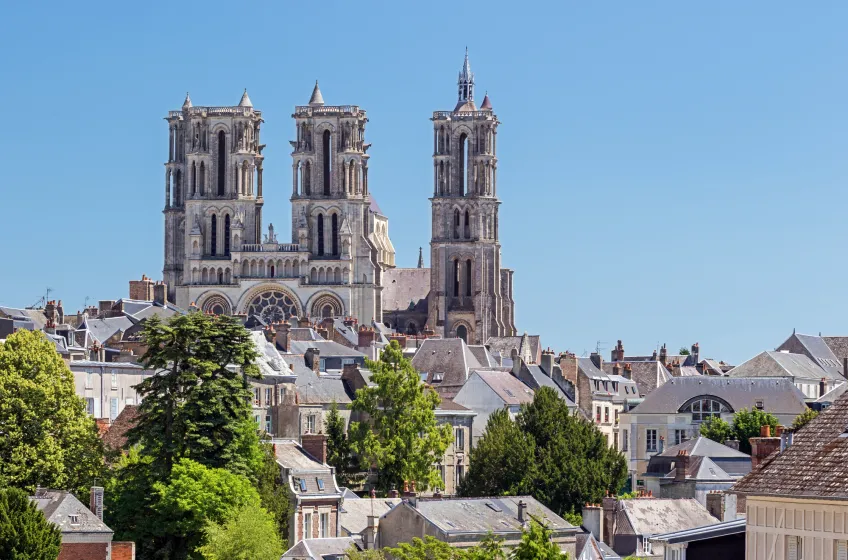
Perched atop a hill, the medieval city of Laon boasts one of the most impressive Gothic cathedrals in France. Laon Cathedral is renowned for its unusual towers adorned with stone oxen and its stunning stained glass. The town itself, with its cobbled streets, ramparts, and panoramic views over the countryside, is a delight to explore. The funicular that connects the upper and lower town is a unique way to travel around.
Château de Condé
This privately-owned château in the south of Aisne is a hidden gem. Dating back to the 16th century, Château de Condé features lavish interiors with trompe-l’œil frescoes, tapestries, and period furniture. The château's gardens are ideal for a leisurely stroll, and the site often hosts exhibitions and cultural events. Its connections to famous French figures like Richelieu and the Bourbon-Condé family make it especially intriguing.
Musée Franco-Américain de Blérancourt
Located in a beautiful château, the Franco-American Museum in Blérancourt explores the shared history between France and the United States, particularly during the World Wars. It’s a unique museum with moving exhibits on solidarity and cultural exchange, offering a different angle on the region’s wartime past.
Soissons and its Abbey
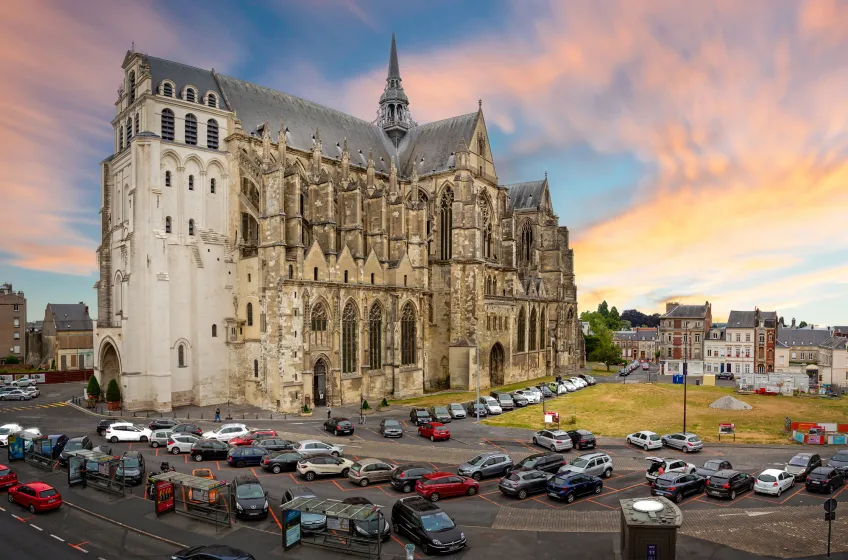
Soissons, one of the oldest towns in France, played a crucial role in early French history. The town is home to the ruins of Saint-Jean-des-Vignes Abbey and the impressive Soissons Cathedral. Soissons was also the site of major battles in World War I, and several memorials in and around the town commemorate these events.
The Chemin des Dames
This ridge was the site of several major offensives during World War I, most notably the tragic Nivelle Offensive of 1917. Today, it's both a scenic drive and a poignant historical trail. Memorials, museums, and cemeteries line the route, and visitors can reflect on the devastating history amidst peaceful rural landscapes.
Hirson and the Thiérache Area
In the north of Aisne, the Thiérache region is known for its fortified churches, built to protect local people during times of conflict. The countryside here is dotted with red-brick churches that look like mini-castles, adding a fairy-tale feel to the area. Hirson, a small town on the Belgian border, is a good base for exploring this part of Aisne.
Family Park: Axo’Plage
If you're travelling with children or just fancy a relaxing day by the water, Axo’Plage near Monampteuil Lake offers swimming, canoeing, paddle boats, and picnic spots. It’s a popular spot for locals in the summer and a nice change of pace from the historical sites.
Champagne Vineyards in the South
The southern tip of Aisne edges into the Champagne region, and a few prestigious vineyards can be found around Château-Thierry. Here, you can tour local producers, learn about the Champagne-making process, and sample their bubbly offerings. It’s less touristy than Reims or Épernay, which makes it a more intimate experience.
Château-Thierry and Jean de La Fontaine
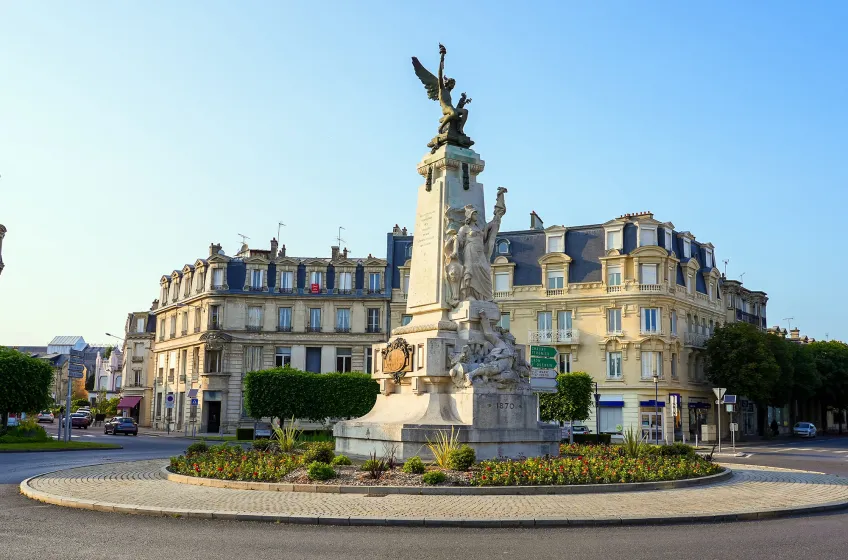
Château-Thierry is the birthplace of the beloved fabulist Jean de La Fontaine, and the town celebrates his legacy with a museum and numerous statues. It also holds strategic significance from the World Wars, and the American Monument overlooking the Marne River valley is a moving tribute to those who fought there.
Practical Advice for Visitors
Getting There
Aisne is well-connected and relatively easy to reach from major cities. From Paris, it’s about a 1.5 to 2-hour drive or train ride depending on your destination in the department. The town of Laon is a good central base, and Soissons and Château-Thierry are also accessible by train from Paris Gare de l’Est. If you’re coming from Lille or Brussels, you can reach Aisne within 2-3 hours by car.
For those flying in, Paris Charles de Gaulle Airport is the nearest major international airport, just over an hour away by car.
Parking
Most towns and attractions in Aisne have ample parking, especially compared to larger cities. In Laon and Soissons, look out for designated car parks near the town centres and main sights. Rural attractions like the Caverne du Dragon or Château de Condé have free or inexpensive on-site parking. It’s best to carry some coins for parking meters in town centres.
Dining
Aisne offers a taste of traditional northern French cuisine with hearty stews, game, and dairy-rich dishes. Local specialities include ficelle picarde (a savoury crêpe with ham and mushrooms in a creamy sauce) and maroilles cheese, especially in the Thiérache area.
For fine dining, Le Relais de Sillery near Soissons offers elegant French dishes with a modern twist. In Laon, try Le Parvis, a cosy bistro right near the cathedral. For a rustic meal in the countryside, many auberges and fermes-auberges serve locally sourced, home-style cooking.
Shopping
Markets in Aisne are a great way to experience local life. Weekly markets take place in towns like Laon (Thursdays and Saturdays) and Soissons (Wednesdays and Saturdays), offering everything from fresh produce to crafts. For local souvenirs, look for honey, cheeses from the Thiérache, and bottles of Champagne from local vineyards in the south.
Antique lovers will enjoy browsing brocantes (flea markets) and vide-greniers (car boot sales), which pop up across the region, especially in spring and summer.
When to Visit
Spring and early autumn are ideal times to visit Aisne, with mild weather and fewer crowds. The wildflowers and green fields in spring are particularly beautiful, while autumn brings golden landscapes and harvest events in the wine-growing areas.
Summer is warm and pleasant, perfect for outdoor activities, though some attractions may be busier during French school holidays. Winter can be quiet and chilly, but atmospheric, especially around Christmas when towns like Laon and Soissons host festive markets.
Local Events
One of the standout events in Aisne is the Fêtes Médiévales de Laon, held in June, which sees the town centre transformed into a medieval village with jousting, music, and traditional crafts. Château-Thierry also hosts La Fontaine’s Festival, celebrating its famous poet with theatre and storytelling events in July.
Armistice Day (11th November) is observed with moving ceremonies across the department, especially at key WWI sites like the Chemin des Dames.
Exploring Beyond Aisne
If you have time, neighbouring areas offer further delights. Rheims, with its magnificent cathedral and Champagne houses, is just an hour’s drive away. The scenic Ailette Lake near Chamouille, with its walking trails and water sports, makes for a relaxing day trip.
Further afield, the Somme region to the northwest is also rich in WWI history, while the Ardennes to the east offers dense forests and rugged beauty.
Shortlist
- Your Shortlist is empty