
Discover Champagne | A Visitor's Introduction to the Champagne Region
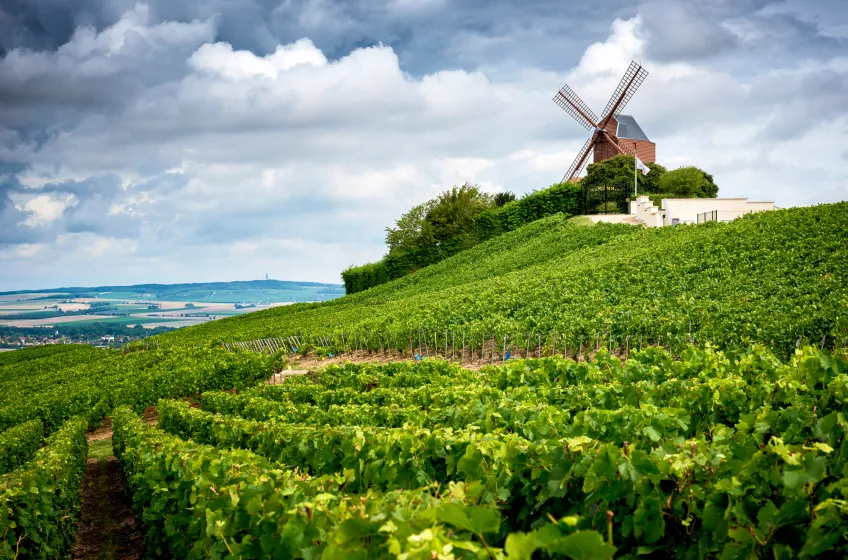
Champagne is a legendary region in northeastern France, synonymous with celebration, elegance, and world-class sparkling wine. Spread across the départements of Marne, Aube, Haute-Marne, and parts of Ardennes, Champagne is both a cultural and agricultural heartland. Known for its picturesque vineyard-covered hills, historic towns, and centuries-old winemaking traditions, Champagne is a dream destination for wine lovers, romantics, and travellers seeking refined rural charm. With its tranquil villages, ornate Gothic churches, and atmospheric cellars, the region invites visitors to savour its beauty one glass at a time.
Recommended Champagne Accommodation: Hotels Bed & Breakfasts
Why is Champagne Worth a Visit?
Champagne is worth visiting for its unmatched blend of heritage, landscape, and taste. This is the only place in the world where true Champagne is produced—crafted meticulously using centuries-old methods in cellars carved deep into chalk hills. The region is also rich in history: Reims hosted the coronation of French kings, while the towns and countryside bore witness to the First World War’s pivotal battles. The rural charm of its vineyard villages, the elegance of Reims and Épernay, and the generosity of its winegrowers make Champagne an experience both luxurious and down-to-earth.
Champagne Highlights: Things to See and Do in the Champagne Region
Reims
This cathedral city is the spiritual heart of Champagne and a must-visit for history lovers. The Notre-Dame de Reims Cathedral is where nearly all of France’s kings were crowned, and the city’s grand avenues and Champagne houses offer a refined urban experience. Cellars like Veuve Clicquot, Taittinger, and Pommery provide immersive tours and tastings.
Épernay and the Avenue de Champagne
Often considered the capital of Champagne production, Épernay’s Avenue de Champagne is lined with stately mansions housing prestigious maisons such as Moët & Chandon and Perrier-Jouët. Beneath the surface, miles of chalk tunnels store millions of bottles. A visit here is essential for any wine enthusiast.
Hautvillers
This hillside village near Épernay is famed as the home of Dom Pérignon, the Benedictine monk credited with refining Champagne production. Wander its cobbled streets, explore iron-sign-adorned houses, and visit the abbey where Dom Pérignon is buried.
Côte des Blancs
Stretching south of Épernay, this subregion is renowned for Chardonnay grapes and houses villages like Avize, Cramant, and Le Mesnil-sur-Oger. Smaller producers often welcome visitors for intimate tastings and vineyard walks.
Aube and Les Riceys
The Aube département, particularly around Troyes and Les Riceys, produces exceptional Pinot Noir-based Champagnes. Les Riceys is unique for having three AOCs (including still rosé wine), and the area offers a less commercialised, more personal Champagne experience.
Montagne de Reims Regional Natural Park
This forested plateau is ideal for walking, cycling, and discovering lesser-known wine villages. The park includes the rare twisted beech trees of Verzy (“faux de Verzy”) and scenic views across vineyard-covered hillsides.
Troyes
This medieval town in Aube is a treasure trove of timber-framed houses, Gothic churches, and Renaissance mansions. It’s also a fantastic base for exploring southern Champagne vineyards and offers excellent dining and shopping.
Viticultural Villages
Charming villages like Bouzy, Ay, Rilly-la-Montagne, and Verzenay dot the landscape, each offering local Champagne, quaint cafés, and spectacular views. Some villages have small museums or historic presses, enhancing the experience.
Champagne Cellar Tours
Major houses offer polished tours through vast underground networks with expert-led tastings, while small producers provide a more personal experience. Many cellars require reservations, and it's worth booking a mix to appreciate the region’s diversity.
Practical Advice for Visitors
Getting There
Champagne is easily accessed by train, with Reims and Épernay about 45 minutes from Paris by TGV. Troyes is roughly 1.5 hours by train. A car is recommended for exploring villages and vineyards outside the main towns, with well-maintained roads and scenic routes.
Parking
In Reims and Épernay, there is ample paid parking near the town centres and Champagne houses. Smaller villages typically have free parking, especially near cellar doors or local shops.
Dining
Expect a mix of refined and rustic fare. Look for dishes cooked with Champagne or accompanied by local cheeses like Chaource and Langres. Don’t miss Reims ham, pink biscuits (biscuits roses), and seasonal game. Many restaurants offer food and Champagne pairings.
Shopping
In addition to Champagne, local products include mustard, vinegars, pâtés, handmade chocolates, and biscuits. Boutiques in Reims and Troyes sell regional craft items and gourmet souvenirs. Purchase Champagne directly from producers for the best value and selection.
When to Visit
Late spring to early autumn is ideal for vineyard walks and tastings. September’s grape harvest brings festivals and a festive atmosphere. Winter is quieter, with magical Christmas markets in Reims and Troyes, and festive events like Habits de Lumière in Épernay.
Local Events
Champagne Week in April and Les Habits de Lumière in December are major wine events in Épernay. Reims hosts the Joan of Arc Festival in June and summer light shows at the cathedral. Harvest festivals in September offer traditional music, food, and vineyard celebrations.
Exploring Beyond Champagne
The Champagne region borders Burgundy to the south and Lorraine to the east. The forests of the Ardennes and the lakes of the Forêt d’Orient are perfect for outdoor excursions. Verdun and the WWI battlefields are a poignant day trip from Reims or Châlons-en-Champagne.
Champagne is far more than a wine—it’s a region of elegance, tradition, and quiet beauty. Whether you're sipping sparkling wine in a sun-drenched vineyard, tracing the steps of kings in Reims, or strolling through a tranquil village square, Champagne offers a deeply pleasurable and culturally rich journey into one of France’s most iconic regions.
Shortlist
- Your Shortlist is empty