
Discover Windsor Castle | A Visitor's Introduction to Windsor Castle
Windsor Castle, located in the county of Berkshire in southern England, is one of the official residences of the British monarch and holds the distinction of being the oldest and largest occupied castle in the world. Originally founded by William the Conqueror in the 11th century, it has been continuously inhabited for nearly 1,000 years. The castle covers 13 acres and combines the functions of a royal palace, a fortress, and a working residence. Today, it remains an important ceremonial site and a key location for royal events and state visits.
Visitors to Windsor Castle can expect to explore a wide range of architectural styles and historical periods, from medieval defensive structures to opulent Georgian and Victorian interiors. As a living piece of British history, the castle offers a rich insight into the monarchy, national identity, and artistic patronage through the centuries. The castle complex includes the State Apartments, St George’s Chapel, Queen Mary’s Dolls’ House, and the surrounding grounds, each offering a distinct experience for visitors.
Pre-book Windsor Castle tickets and tours
Recommended hotels near Windsor Castle
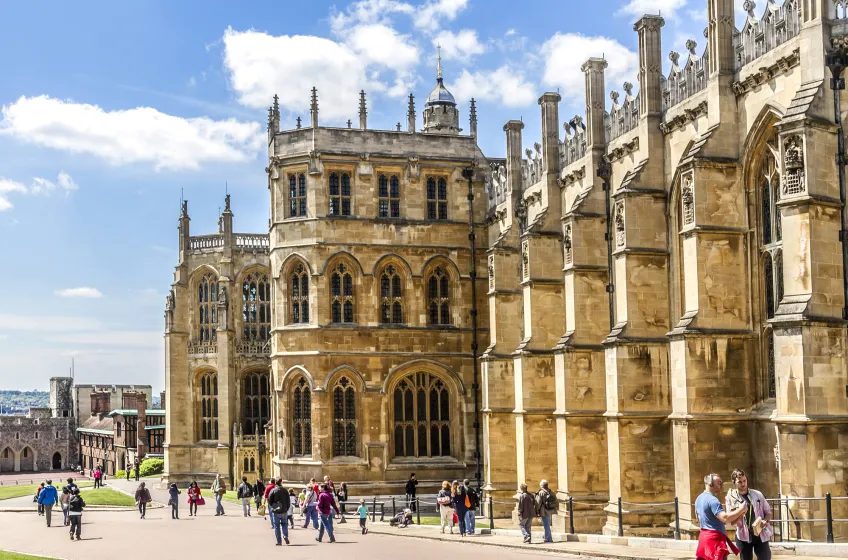
Why is Windsor Castle Worth a Visit?
Windsor Castle is not only a historically significant site but also a functioning royal residence, offering a unique combination of heritage and living tradition. It provides insight into the British monarchy, with centuries of royal history on display in its architecture, art collections, and ceremonial functions. The State Apartments showcase fine examples of royal taste and patronage, featuring works by Van Dyck, Rubens, and Rembrandt among others.
St George’s Chapel, within the castle grounds, is one of the finest examples of Gothic architecture in England and serves as the spiritual home of the Order of the Garter, the oldest order of chivalry in the country. It is also the final resting place of many monarchs, including Henry VIII and Queen Elizabeth II.
The castle’s continued use by the royal family makes it a dynamic historical site. Visitors may have the chance to witness ceremonial processions, the Changing of the Guard, or even royal arrivals, depending on the timing of their visit. The castle's location, overlooking the River Thames and adjacent to the historic town of Windsor, also provides a scenic and culturally rich setting.
Windsor Castle Highlights
The State Apartments
The State Apartments form the grandest part of Windsor Castle and are still used for official functions and ceremonial occasions. They are lavishly decorated and contain a large part of the Royal Collection, including paintings, tapestries, furniture, and porcelain. Rooms such as the Grand Reception Room, the Waterloo Chamber, and the Crimson Drawing Room offer a sense of royal grandeur and are frequently updated to reflect current usage by the monarch.
St George’s Chapel
St George’s Chapel is a working place of worship and the site of many royal weddings, funerals, and services. It is renowned for its Perpendicular Gothic architecture and fan-vaulted ceiling, as well as its historical tombs and monuments. Monarchs buried here include Edward IV, Henry VI, Charles I, and more recently, Prince Philip and Queen Elizabeth II. The chapel is also the spiritual home of the Order of the Garter, and its stalls are adorned with heraldic banners and plaques representing current knights.
Queen Mary’s Dolls’ House
Built between 1921 and 1924, Queen Mary’s Dolls’ House is an intricate miniature home designed by Sir Edwin Lutyens for Queen Mary. It features a remarkable level of detail, with functioning plumbing, electric lighting, and tiny books authored by real writers of the time. It offers a glimpse into early 20th-century aristocratic life, condensed into a perfect scale model.
The Semi-State Rooms
Open to the public during the winter months, the Semi-State Rooms are some of the most richly decorated interiors in the castle. Originally designed by Sir Jeffry Wyatville for George IV, these rooms were later restored after a major fire in 1992. They include the Green Drawing Room and the King’s Drawing Room and are used by the monarch for private entertaining.
Changing of the Guard
This ceremonial event, typically held on alternate days, is a popular attraction in its own right. It involves the handover of duties between two groups of guards and includes military music and marching. The spectacle draws large crowds and is a tradition closely associated with British pageantry.
The Long Walk
The Long Walk is a straight, tree-lined avenue stretching about 2.6 miles from the castle gates into Windsor Great Park. It offers expansive views and is a popular walking route for visitors. The view of the castle from the far end of the Long Walk is particularly striking and has been the setting for many royal processions.
The Moat Room
Located in the Norman Gatehouse, the Moat Room presents an informative exhibition on the history of the castle. Through models, timelines, and displays, visitors can learn about the development of Windsor Castle from a wooden motte-and-bailey fortress to its current status as a royal palace.
The Castle Precincts
The castle precincts offer access to various courtyards and defensive structures, such as the Round Tower, the North Terrace, and the Outer Ward. These areas give a sense of the scale and layout of the castle as a fortified residence and offer views across Windsor and the surrounding countryside.
Royal Collection Exhibitions
Temporary exhibitions from the Royal Collection are regularly displayed at Windsor Castle. These often focus on specific themes, such as royal portraits, coronations, or jubilees, and frequently include rare artefacts and documents not otherwise on public display.
The Round Tower
While not always open to the public, the Round Tower stands at the centre of the castle and is a prominent feature of its silhouette. During special openings, visitors can climb to the top for panoramic views of the castle grounds, the town of Windsor, and the surrounding landscape.
Facilities
Windsor Castle is well equipped to accommodate a wide range of visitors. There is a visitor entrance with security screening, cloakroom facilities, and an accessible route for those with limited mobility. The castle grounds are largely accessible, with lifts available in the State Apartments and designated seating areas throughout.
Audio guides are available in multiple languages, offering context and commentary for key areas of the castle. Guided tours by wardens are also available and provide a more in-depth understanding of the site's history and significance.
A café and refreshment area, located near the entrance, offers a range of hot and cold drinks, snacks, and light meals. There is also a shop selling souvenirs, books, and items from the Royal Collection. Public toilets, including accessible facilities and baby changing stations, are available on site.
Photography is permitted in certain outdoor areas, though not inside the State Apartments or St George’s Chapel. Visitors are advised to check current rules and any temporary restrictions on the day of their visit.
Nearby Attractions
Windsor itself is a historic market town that offers a variety of additional attractions within easy walking distance of the castle. One of the most popular is Windsor Great Park, which includes the Long Walk, the Savill Garden, Virginia Water Lake, and the Royal Lodge. The park offers extensive walking and cycling routes through landscaped gardens and ancient woodland.
Adjacent to the castle is Eton, home to Eton College, one of the most prestigious schools in the UK. The college buildings and Eton High Street provide a historic and cultural counterpoint to the royal history of Windsor.
Legoland Windsor Resort is a major family attraction located a short drive from the castle, featuring rides, shows, and interactive Lego-themed experiences suitable for children of all ages.
The River Thames runs through Windsor and offers river cruises and boat hire, giving visitors the chance to view the town and surrounding countryside from the water. Walks along the river towpath are also popular and offer picturesque views of both Windsor Castle and the town.
Other nearby heritage attractions include Runnymede, the site where Magna Carta was sealed in 1215, and Cliveden House, a National Trust property with gardens and woodland overlooking the Thames.
Practical Advice
Windsor Castle is open to the public throughout the year, but opening times and access to certain areas can be affected by royal events or ceremonies. It is advisable to check the Royal Collection Trust website in advance of your visit to confirm opening hours and any closures.
Entry is ticketed, with concessions available for children, seniors, and families. Tickets include access to the State Apartments, St George’s Chapel, Queen Mary’s Dolls’ House, and most public areas. Re-entry is generally not allowed, so visitors should plan their time accordingly.
Arriving early in the day is recommended to avoid queues, particularly during weekends and school holidays. Security screening is required for all visitors and may cause delays at busy times.
The castle is located in the centre of Windsor and is easily accessible by public transport. Windsor & Eton Central and Windsor & Eton Riverside railway stations are both within walking distance, with direct trains from London Paddington and London Waterloo respectively. Car parking in Windsor can be limited, so using public transport is often more convenient.
Due to the historic nature of the buildings, some uneven surfaces and staircases are unavoidable, but accessible routes and assistance are available for those who need them. Visitors with limited mobility should speak to staff on arrival for advice on the most suitable route.
The site can become crowded, particularly in the State Apartments and during the Changing of the Guard, so those seeking a quieter experience may wish to visit on a weekday during term time. Comfortable footwear is recommended, as the visit involves a significant amount of walking and standing.
In all, Windsor Castle offers a rare opportunity to experience a royal residence that continues to serve its original purpose while showcasing a millennium of British history and heritage.
Shortlist
- Your Shortlist is empty