
Westonbirt Arboretum | A Visitor's Introduction to Westonbirt Arboretum
Westonbirt Arboretum, located near the market town of Tetbury in Gloucestershire, England, is one of the most significant and widely respected tree collections in the world. Managed by Forestry England, the 600-acre site is home to over 15,000 individual trees and shrubs, representing around 2,500 different species from across the globe. The arboretum was originally established in the 19th century by Victorian landowner Robert Stayner Holford, who aimed to create a diverse and scientifically valuable collection of trees in carefully designed landscape settings. Today, it attracts visitors year-round thanks to its seasonal beauty, educational value and broad appeal to families, nature lovers, and horticultural enthusiasts alike.
Divided into two main areas – the Old Arboretum and the Silk Wood – Westonbirt offers a wide-ranging visitor experience. The Old Arboretum is a carefully laid-out Victorian landscape featuring rare and exotic trees, while Silk Wood, a semi-natural woodland, offers a more informal and immersive experience, including longer walking trails and seasonal highlights such as bluebells in spring and vibrant autumn colours.
Recommended Westonbirt accommodation: Hotels Bed & Breakfasts Pub Accommodation
Why Is Westonbirt Arboretum Worth a Visit?
Westonbirt Arboretum offers a unique blend of natural beauty, botanical diversity and designed landscapes that appeal to both casual visitors and serious botanists. Unlike many other botanical gardens or parks, the arboretum is designed with the aesthetics of the landscape in mind. Trees are planted not only for scientific interest but also for visual harmony, making it an exceptionally pleasant place to explore on foot.
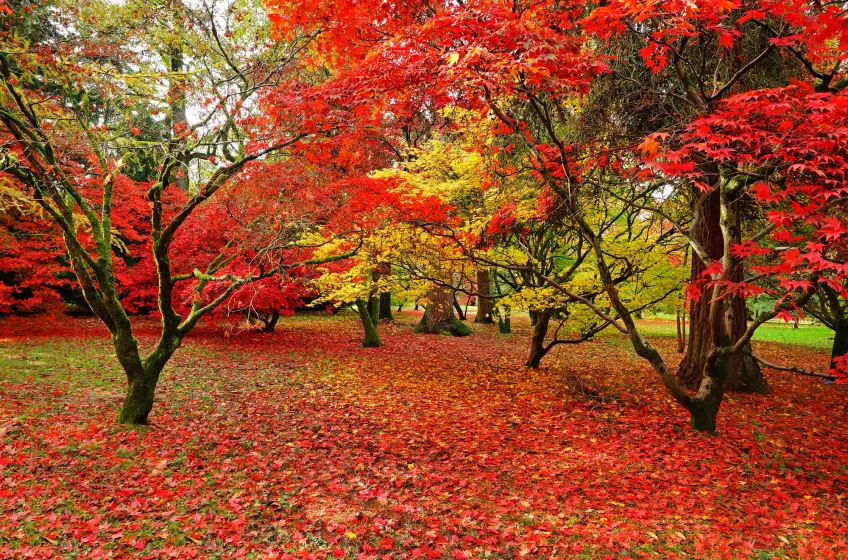
The variety of trees is exceptional, with specimens from North and South America, Asia, Europe and beyond. Seasonal changes dramatically alter the character of the arboretum. In spring, flowering trees such as magnolias and cherries draw crowds, while autumn is perhaps its most famous season, as Japanese maples, liquidambars and other deciduous species erupt in a spectacular array of reds, oranges and yellows. Summer offers lush green canopies and shaded walks, while winter highlights the striking forms and bark textures of species such as birch, dogwood and eucalyptus.
Beyond the trees themselves, Westonbirt provides a high-quality visitor experience, with accessible paths, interpretive signage, guided tours, family activities and an award-winning treetop walkway. It serves both as a place for quiet reflection and a hub for community events, educational programmes and conservation work.
Westonbirt Arboretum Highlights
The Old Arboretum
The Old Arboretum is the historic heart of Westonbirt, laid out in the mid-19th century as a collection of exotic and ornamental trees. This area is carefully landscaped, with wide avenues and sweeping vistas that show off the seasonal changes in tree colour and form. Notable highlights include avenues of well-established lime, beech and oak, alongside rare and exotic specimens such as the Chinese handkerchief tree and the monkey puzzle. The layout makes it easy for visitors to follow circular routes that pass by key features, while interpretive panels provide information about the trees' origins and characteristics.
Silk Wood
In contrast to the formality of the Old Arboretum, Silk Wood is a working woodland that combines native tree species with introduced varieties. It is popular with walkers and dog owners, and it is open to dogs throughout the year. Long woodland trails wind through changing landscapes, from open glades to dense thickets. In spring, the forest floor is carpeted with bluebells and wood anemones, while autumn brings spectacular foliage. Ancient trees such as veteran oaks and coppiced hazels are found alongside carefully introduced exotics, such as Japanese maples and Turkish hazels.
The STIHL Treetop Walkway
Opened in 2016, the STIHL Treetop Walkway offers a unique perspective on the arboretum by lifting visitors into the canopy. The walkway stretches for 300 metres and reaches a height of 13 metres at its highest point. Designed to be fully accessible, it features gentle gradients and interpretation points along the way. Highlights include views over the surrounding landscape, close-up looks at tree canopies and a crow's nest-style observation platform. It is a popular feature for families and photographers alike.
Seasonal Planting and Colour Displays
Westonbirt is particularly famous for its seasonal transformations. In spring, visitors can enjoy displays of flowering trees such as cherry, magnolia and rhododendron, while autumn brings renowned colour displays, particularly in the Acer Glade, where Japanese maples dominate the landscape with fiery reds and oranges. Winter offers a quieter, more contemplative experience, with frosted tree branches, striking bark colours, and opportunities to see evergreen collections from around the world.
Educational and Community Activities
Education is a core part of Westonbirt’s mission. A range of programmes are offered for schools, colleges, and adult learners. These include guided walks, tree identification workshops, conservation talks and citizen science projects. The arboretum is also home to the Westonbirt Schools and Colleges Programme, which uses outdoor learning to inspire interest in science, biodiversity and the environment. For younger visitors, the Gruffalo Spotters Trail is a popular seasonal activity using augmented reality to bring the famous character to life.
Historic Features
Westonbirt is not only a botanical collection but also a site of cultural and historic interest. The arboretum forms part of the original Holford estate, and remnants of its 19th-century heritage remain visible. Dry stone walls, ornamental gates, old carriage tracks and vistas framed by specimen trees reflect the original Victorian landscape design. Nearby Westonbirt House, now a private school, can be glimpsed from parts of the arboretum, adding to the sense of historical depth.
Tree Management and Conservation
As a living collection, Westonbirt is actively managed by a team of arborists and horticulturalists. Conservation work includes the protection of rare species, seed banking, and participation in international tree conservation efforts. The arboretum is part of the International Conifer Conservation Programme and contributes to the Global Tree Seed Bank initiative. Regular planting ensures a dynamic and evolving landscape, while old trees are carefully monitored and preserved where possible.
Wildlife and Ecology
Although trees are the main attraction, Westonbirt also serves as a valuable wildlife habitat. Native and introduced species of birds, mammals and insects can be observed throughout the site. Butterflies, dragonflies, deer, owls, and woodpeckers are commonly spotted, and the arboretum's mix of habitats supports a wide range of biodiversity. The woodland rides, glades and ponds provide rich microhabitats, and conservation grazing is sometimes used to maintain biodiversity.
Art and Installations
The arboretum hosts a range of temporary and permanent art installations, including sculptures and land art that reflect themes of nature, trees and the environment. These pieces are integrated into the landscape and often change throughout the year. Events such as Enchanted Christmas feature illuminated trails with creative light displays and soundscapes, adding an artistic dimension to the natural surroundings.
Events and Festivals
Throughout the year, Westonbirt hosts a varied programme of events. These include the well-known Forest Live summer concert series, which brings major music acts to a woodland stage. Other events include craft fairs, food festivals, seasonal trails and holiday-themed activities. The Enchanted Christmas light trail is a popular ticketed event that attracts thousands of visitors each December and includes festive illuminations, performances and family-friendly entertainment.
Facilities
Westonbirt Arboretum is equipped with a wide range of facilities aimed at ensuring a comfortable and accessible visit. The Welcome Building includes a visitor information desk, toilets and accessible changing facilities. The main restaurant serves hot and cold meals, snacks, and drinks, and there are several picnic areas throughout the site, some with covered shelters.
The gift shop offers a selection of botanical-themed items, books, gardening tools, and local crafts. A separate plant centre allows visitors to purchase a variety of trees, shrubs and perennials, many of which are propagated from the arboretum’s own stock.
The site is largely wheelchair- and pushchair-accessible, with surfaced paths in the main walking areas and mobility scooters available for hire. Car parking is extensive and includes spaces for coaches and accessible vehicles. Dogs are welcome in most parts of the arboretum, particularly in Silk Wood, though they are not permitted in the Old Arboretum except for assistance dogs.
Nearby Attractions
Westonbirt Arboretum is ideally situated for exploring the wider Cotswolds region. Just a short drive away is the historic town of Tetbury, known for its antique shops, traditional high street and royal connections through nearby Highgrove House, the private residence of King Charles III. Although not open to the public year-round, Highgrove Gardens offers pre-booked tours during the growing season.
Also nearby is the National Trust property of Dyrham Park, a 17th-century mansion with extensive deer parklands and baroque interiors. The Roman town of Cirencester, often referred to as the capital of the Cotswolds, is a little further afield and offers Roman museums, a cathedral-like parish church and a variety of independent shops and eateries.
The Cotswold Water Park, to the south-east, provides a range of outdoor activities including walking, cycling, fishing and water sports. For those interested in gardens, The Painswick Rococo Garden and Miserden Garden offer further horticultural interest within easy reach.
Practical Advice
Westonbirt Arboretum is open throughout the year, with longer opening hours in spring and summer. Entry is ticketed, and it is advisable to book in advance during peak periods such as autumn and school holidays. Tickets can be purchased online via the Forestry England website, with discounts available for members and annual pass holders.
The arboretum can be reached by car via the A433, with clear signage and ample parking. There is limited public transport directly to the site, although buses from Bath and Stroud stop in Tetbury, from where a taxi is recommended. The nearest mainline railway station is in Kemble, approximately 12 miles away.
Visitors should wear comfortable walking shoes, as exploring the full site involves covering a considerable distance. Weather-appropriate clothing is also recommended, especially during the wetter months. Maps are available at the entrance, and various marked routes cater to different levels of mobility and interest. Seasonal trail guides are available for families and younger children, and dogs should be kept on leads in designated areas.
Food and drink can be purchased on-site, but picnicking is also encouraged in specified areas. For those wanting to extend their visit, a number of country inns, B&Bs and hotels are located in and around Tetbury. The site is accessible for visitors with limited mobility, and staff are available to assist with queries at the visitor centre.
Westonbirt Arboretum offers an outstanding opportunity to experience the beauty, diversity and importance of trees in a thoughtfully curated and well-maintained setting. Whether visiting for a few hours or a full day, it provides a memorable and educational experience suitable for all ages.
Shortlist
- Your Shortlist is empty