
Discover The Western Isles | A Visitor's Introduction to The Western Isles
Recommended places to visit, places to stay and things to do in the Western Isles
The Western Isles, also known as the Outer Hebrides, are a stunning archipelago off the northwest coast of Scotland. Comprising over 100 islands, with 15 inhabited, the Western Isles offer a captivating blend of dramatic landscapes, ancient history, and a rich Gaelic culture. From pristine beaches and rugged mountains to Neolithic wonders and vibrant local traditions, the Western Isles are a dream destination for nature lovers, history enthusiasts, and those seeking tranquillity.
Recommended Western Isles Accommodation: Hotels Bed & Breakfasts Pub Accommodation
Why Are the Western Isles Worth a Visit?
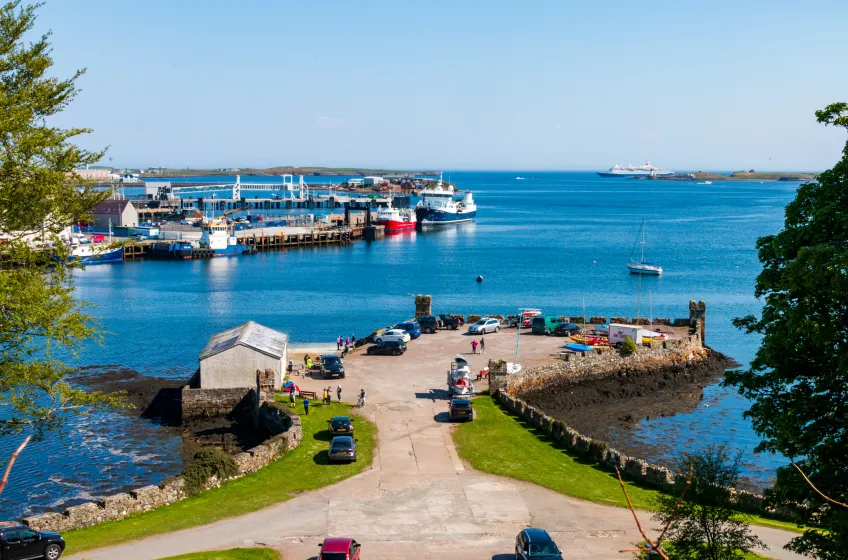
The Western Isles are worth visiting for their breathtaking natural beauty, fascinating heritage, and peaceful way of life. Stretching from Barra in the south to Lewis in the north, these islands boast some of the UK’s most stunning scenery, including crystal-clear waters, white sand beaches, and dramatic cliffs. The islands are also home to some of Scotland’s most significant archaeological sites, traditional Gaelic music, and a wealth of wildlife, from golden eagles to otters and seals. Whether you’re exploring the ancient past, enjoying outdoor adventures, or immersing yourself in island culture, the Western Isles offer a truly unique experience.
Western Isles Highlights: Things to See and Do in the Western Isles
Callanish Standing Stones (Isle of Lewis)
The Callanish Standing Stones are one of Scotland’s most iconic prehistoric sites. These ancient megaliths, dating back over 5,000 years, are arranged in a dramatic circle and radiating avenues. Set against the backdrop of the Lewis landscape, they offer a magical and mysterious experience.
Luskentyre Beach (Isle of Harris)
Luskentyre Beach is a breathtaking expanse of white sand and turquoise waters, often ranked among the world’s most beautiful beaches. Its pristine beauty and serene atmosphere make it a must-visit spot for relaxation, photography, or a peaceful stroll.
Gearrannan Blackhouse Village (Isle of Lewis)
This restored crofting village offers a glimpse into traditional island life. The stone-built blackhouses, once home to crofters and their livestock, now house a museum, holiday cottages, and a café. Visitors can learn about the hardships and ingenuity of the islanders who lived here.
St Kilda
St Kilda, a UNESCO World Heritage Site, is a remote archipelago west of the Outer Hebrides. Famous for its dramatic cliffs and seabird colonies, it’s an incredible destination for wildlife enthusiasts. Accessible by boat from Harris or Lewis, St Kilda also tells the poignant story of its former inhabitants, who were evacuated in 1930.
The Uists
North Uist, South Uist, and Benbecula are islands of remarkable diversity, offering wildflower-filled machair plains, freshwater lochs, and beautiful beaches. South Uist is known for its crofting traditions, while North Uist is a haven for birdwatchers. The scenic causeways connecting the islands add to their charm.
Kisimul Castle (Isle of Barra)
Kisimul Castle, located on a rocky islet off the coast of Barra, is known as the "Castle in the Sea." Accessible by boat, this 15th-century fortress is steeped in history and offers stunning views of the surrounding waters.
An Cliseam (Isle of Harris)
For hikers, An Cliseam is the highest peak in the Outer Hebrides, standing at 799 metres. The climb offers rewarding views of Harris’s rugged landscape and the surrounding islands.
Berneray
Berneray, a small island connected to North Uist by a causeway, is a tranquil haven with stunning beaches and a strong Gaelic heritage. Prince Charles famously stayed here as a crofter in the 1980s, and visitors can explore its peaceful landscapes and charming villages.
Butt of Lewis Lighthouse (Isle of Lewis)
The Butt of Lewis Lighthouse marks the northernmost point of the Outer Hebrides. The cliffs here are a prime spot for birdwatching and offer dramatic views of the Atlantic Ocean.
Wildlife Watching
The Western Isles are a paradise for wildlife enthusiasts. Look out for golden eagles, puffins, otters, seals, and whales. Boat trips from Lewis, Harris, or Barra offer the chance to see dolphins and basking sharks.
Traditional Harris Tweed
The Outer Hebrides are famous for Harris Tweed, a handwoven fabric produced exclusively on the islands. Visit weaving studios to see the craft in action and pick up authentic tweed garments or accessories.
Gaelic Culture and Music
The Western Isles are a stronghold of Scottish Gaelic language and culture. Experience traditional ceilidh music, storytelling, and Gaelic-speaking communities, particularly during local festivals like the Hebridean Celtic Festival on Lewis.
Hebridean Way
The Hebridean Way is a long-distance walking and cycling route spanning 185 miles across 10 islands. It’s an incredible way to experience the islands’ natural beauty and explore their diverse landscapes.
Practical Advice for Visitors
Getting There
- By Ferry: Caledonian MacBrayne (CalMac) operates ferries from mainland Scotland to the islands. Popular routes include Ullapool to Stornoway (Lewis), Uig (Skye) to Tarbert (Harris), and Oban to Barra or Lochboisdale (South Uist).
- By Air: Flights connect Stornoway (Lewis), Benbecula, and Barra to Glasgow, Edinburgh, and Inverness. Barra’s airport is famous for its beach runway, offering a unique landing experience.
Getting Around
- By Car: A car is the most convenient way to explore the islands, with well-maintained roads and scenic drives.
- By Public Transport: Buses connect major towns and villages, but schedules may be limited, especially on Sundays.
- By Bike: The quiet roads and stunning scenery make cycling a popular way to explore the islands.
Dining
The Western Isles offer delicious local cuisine, including fresh seafood like lobster, scallops, and salmon. Venison and lamb are also popular, as well as traditional dishes like stornoway black pudding and oatcakes. Don’t miss trying locally brewed ales and whiskies.
When to Visit
- Summer (May to August): Offers long daylight hours, vibrant wildflowers, and the best weather for outdoor activities.
- Spring (April to May): Great for birdwatching and avoiding peak-season crowds.
- Autumn (September to October): Features stunning foliage and quieter attractions.
- Winter (November to March): Offers a chance to see the Northern Lights, but some attractions and ferries may have reduced schedules.
Packing Tips
The weather in the Western Isles is changeable, so pack layers, waterproof clothing, and sturdy walking shoes. Binoculars and a camera are essential for wildlife spotting and capturing the stunning scenery.
Shortlist
- Your Shortlist is empty