
Discover Waddesdon Manor | A Visitor's Introduction to Waddesdon Manor
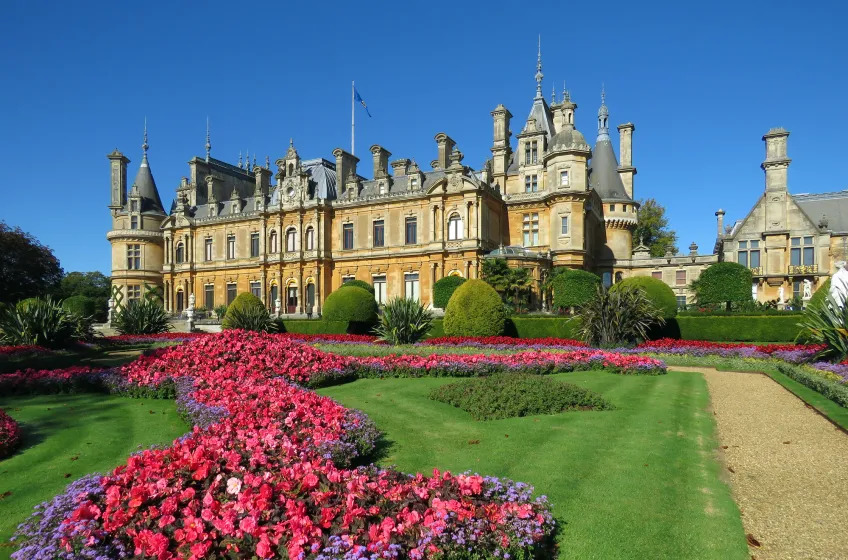
Waddesdon Manor is a striking French Renaissance-style château located in the village of Waddesdon in Buckinghamshire, England. Built between 1874 and 1889 for Baron Ferdinand de Rothschild, a member of the wealthy and influential Rothschild banking family, the manor was designed as a weekend retreat to entertain guests and display his extensive art collection. Today, Waddesdon Manor is managed by the Rothschild Foundation on behalf of the National Trust and remains one of the most popular historic house attractions in the country. Surrounded by landscaped gardens, woodlands and parkland, the estate offers a rich combination of architecture, decorative arts, history, and horticulture.
Recommended Waddesdon accommodation: Hotels Bed & Breakfasts Pub Accommodation
Pre-book Buckinghamshire Attractions, Tours & Experiences
Why Is Waddesdon Manor Worth a Visit?
Waddesdon Manor stands out as an exceptional example of late 19th-century architecture inspired by the grand French châteaux of the Loire Valley. Unlike many English country houses, which evolved over centuries, Waddesdon was purpose-built to impress in a relatively short time frame. It houses one of the finest collections of French 18th-century decorative arts in Britain, including furniture, textiles, porcelain, and paintings. The interiors remain largely as they were when Baron Ferdinand hosted royalty, politicians, and members of high society, providing a glimpse into a lavish world of Victorian opulence.
Beyond the house itself, the manor’s extensive gardens and grounds are a major draw, featuring formal parterres, seasonal floral displays, fountains, a Rococo-style aviary, and panoramic views across the Vale of Aylesbury. With its wide-ranging appeal — from fine art and architecture to family-friendly attractions and seasonal events — Waddesdon Manor offers something of interest to visitors of all ages and backgrounds.
Waddesdon Manor Highlights
The House Interior
The house is known for its richly decorated interiors, which combine English traditions with Continental influences. Visitors can explore a series of rooms that showcase Baron Ferdinand’s passion for collecting. The Red Drawing Room, Dining Room, Morning Room, and Smoking Room all feature elaborate panelling, gilded furniture, and chandeliers, with artworks by renowned painters such as Gainsborough, Reynolds, Watteau, and Boucher. Of particular note is the Bachelor’s Wing, a suite of rooms designed for male guests, featuring billiard rooms and a masculine aesthetic.
The Rothschild Collection
Waddesdon houses the Rothschild family’s extensive collection of French decorative arts from the 18th century, including pieces by celebrated cabinetmakers like Riesener and Oeben. There are also remarkable collections of Sevres porcelain, tapestries, textiles, and objets d’art. Many items were acquired from royal or aristocratic French collections and reflect the collecting tastes of the European elite. The collection has been carefully preserved and is displayed with academic rigour, supported by ongoing research and digital cataloguing.
The Wine Cellars
The vaulted wine cellars, created in the 1990s, are located beneath the house and hold over 15,000 bottles, including historic vintages from the Rothschild estates in Bordeaux such as Château Lafite Rothschild and Château Mouton Rothschild. These cellars form one of the most significant private wine collections in the world and can be explored as part of a guided visit. Exhibits explain the Rothschilds’ contributions to winemaking, and seasonal tastings are sometimes available.
The Gardens
The gardens at Waddesdon were designed with both aesthetic appeal and practical use in mind, blending formal planting schemes with landscaped parkland. The Parterre in front of the manor is a highlight, particularly in spring and summer when seasonal bedding displays are in bloom. The Rose Garden, Water Garden, and Aviary Garden each offer different horticultural experiences. The estate also includes woodlands and longer walking routes suitable for those wishing to explore on foot.
The Aviary
The ornate cast-iron aviary, restored with input from conservation specialists, dates back to the late 19th century and reflects Baron Ferdinand’s interest in rare and exotic birds. Today, the aviary is part of an active breeding and conservation programme supported by the European Association of Zoos and Aquaria. It houses endangered species such as the Rothschild’s mynah, Bali starling, and green avadavat. Informative signage explains the birds' natural habitats and the efforts being made to conserve them.
The Powerhouse and Sustainable Energy Centre
Located in the old stables area, the Powerhouse showcases Waddesdon's commitment to sustainable energy and technology. This facility includes biomass boilers and other infrastructure designed to reduce the estate’s carbon footprint. It is open to visitors on select days and provides educational insights into how heritage sites can adapt to modern environmental challenges.
The Coach House and Stables
The Stables Courtyard is now home to a café, gift shop, and gallery spaces. The Coach House Gallery regularly features changing exhibitions, often with links to the Rothschilds, natural history, or contemporary art. The café offers a more relaxed alternative to the Manor Restaurant, making it ideal for families or those visiting with children.
Seasonal Events and Installations
Throughout the year, Waddesdon hosts a variety of seasonal events including outdoor theatre, Christmas markets, light trails, and sculpture exhibitions. The Christmas festivities, in particular, attract large numbers of visitors thanks to illuminated displays, decorated rooms, artisan stalls, and festive food offerings.
Family-Friendly Features
Waddesdon Manor is well-equipped for families, with interactive trails, a woodland playground, and activity packs for younger visitors. During school holidays, themed trails and family workshops are often available. The playground, located near the Stables, is extensive and includes features suitable for both younger and older children.
Art and Sculpture in the Grounds
Waddesdon frequently displays modern and contemporary art in the grounds, with works by artists such as Sarah Lucas, Richard Long, and Joana Vasconcelos. These pieces are often site-specific and offer a contrasting perspective to the historic setting. There are also permanent installations, including the Windmill Hill Archive, a modern building that houses the Rothschild Archive and occasional exhibitions.
Facilities
Waddesdon Manor offers a full range of visitor facilities. There are multiple cafés and food outlets across the site, including the Manor Restaurant, Stables Café, and seasonal kiosks. A gift shop and wine shop are located near the house, selling books, Rothschild wines, homeware, and garden gifts. Toilet facilities are available throughout the estate, and baby-changing areas are provided.
The site operates a shuttle bus service between the main car park and the manor house for those with mobility issues or young children. While some areas are steep or gravelled, significant efforts have been made to improve accessibility. Manual wheelchairs are available for loan, and many of the main house rooms are accessible via lifts. Assistance dogs are welcome across the site.
There is free parking for visitors, with designated spaces for blue badge holders. Group visits and school visits are welcome, and there are dedicated educational resources for teachers. Pre-booking is advised during busy seasons or for special events.
Nearby Attractions
Waddesdon Manor is situated in an area rich in historical and cultural sites. Nearby, the market town of Aylesbury offers the Bucks County Museum and the Roald Dahl Children’s Gallery, both suitable for families and those interested in local history. A short drive away, Claydon House (also a National Trust property) features Rococo interiors and has connections to Florence Nightingale.
Bletchley Park, the famous WWII codebreaking centre, is located about 25 miles away and offers a contrasting historical experience with a focus on wartime innovation and espionage. Stowe House and its extensive landscaped gardens, managed by the National Trust and the Stowe School Foundation, are also within reach and represent one of the finest examples of English landscape design.
For natural scenery, the Chiltern Hills Area of Outstanding Natural Beauty offers walking, cycling, and picturesque villages such as Wendover and Great Missenden. Woburn Abbey and Safari Park provide another day out option for families.
Practical Advice
Waddesdon Manor is open to the public from March to October, with limited opening during the winter months for special events such as Christmas. It is advisable to check the official website for up-to-date information on opening hours, ticket availability, and any temporary closures.
Advance booking is recommended, particularly during school holidays and special exhibitions. Entry to the house is by timed ticket, which helps manage visitor flow and enhances the visitor experience. National Trust members receive free entry, but pre-booking is still required.
Most visitors arrive by car, and the manor is well signposted from major roads including the A41. The nearest train station is Aylesbury Vale Parkway, from which taxis or local buses can be taken to the estate. Bicycle racks are available for cyclists.
Footwear suitable for walking is recommended, especially for those wishing to explore the gardens and wider estate. Visitors with limited mobility should note that while much of the site is accessible, some garden paths are steep or uneven.
Food and drink options are available on-site, but picnics are welcome in designated areas. Dogs are permitted in the grounds on leads but are not allowed inside the house or formal gardens. During hot weather, shaded areas and water points are provided for both dogs and humans.
Leaflets and maps are available on arrival, and the Waddesdon app offers additional content for those wishing to learn more about the collections, gardens, and history of the estate.
Waddesdon Manor provides an enriching and varied experience that combines historical grandeur with natural beauty and cultural depth, making it a worthwhile destination for a wide range of visitors.
Shortlist
- Your Shortlist is empty