
Discover Vosges | A Visitor's Introduction to Vosges
Recommended places to visit, places to stay and things to do in Vosges
Vosges is a stunning department in the Grand Est region of north-eastern France, known for its gentle mountains, dense forests, spa towns, and deep-rooted traditions. Named after the Vosges Mountains, which run through its heart, the region offers a compelling blend of outdoor adventure, cultural heritage, and rustic charm. Whether you're hiking through pine-scented trails, soaking in thermal waters, sampling Munster cheese, or discovering picturesque villages and lakes, Vosges is an ideal destination for nature lovers, wellness seekers, and history buffs alike.
Less visited than the nearby Alps or Jura, the Vosges offer a peaceful, unspoilt escape full of character, natural beauty, and warm hospitality. It’s the perfect French destination for a rejuvenating getaway, four seasons a year.
Recommended Vosges accommodation: Hotels
Why is Vosges Worth a Visit?
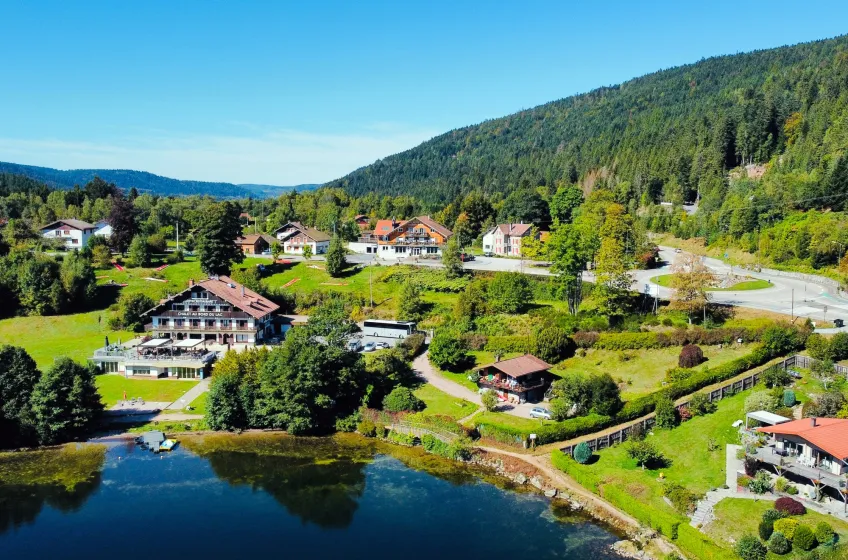
Vosges is worth visiting for its exceptional landscapes, traditional mountain culture, and variety of experiences across the seasons. The rolling Vosges Mountains are lower and more rounded than the Alps, making them accessible to all levels of hikers, cyclists and skiers. In summer, you'll find lush green forests, flower-filled meadows, glacial lakes, and scenic walking trails. In winter, the region transforms into a snowy playground with family-friendly ski resorts and Nordic trails.
Beyond the great outdoors, Vosges is a region of historic spa towns, fine craftsmanship, and gastronomic pleasures. You’ll find Romanesque churches, 19th-century villas, artisanal textiles, traditional woodwork, and hearty Lorraine-style cuisine. Towns like Épinal, Vittel, and Contrexéville offer culture and comfort, while mountain villages like Gérardmer and La Bresse are gateways to natural adventure.
Whether you're seeking activity or tranquillity, the Vosges deliver in all seasons.
Vosges Highlights: Things to See and Do in Vosges
Gérardmer – Lake, Mountains and Festivals
Set in the heart of the Vosges Mountains, Gérardmer is a delightful resort town known for its picturesque lake, ski slopes, and vibrant events. In summer, Lac de Gérardmer is ideal for swimming, kayaking, pedal boats, or simply lounging on the lakeside beaches. In winter, the town becomes a base for alpine skiing, snowshoeing, and cross-country trails.
Don’t miss the famous Daffodil Festival (Fête des Jonquilles), held every two years in spring, featuring flower-covered floats and colourful parades. Gérardmer is also home to a popular fantasy film festival and a strong tradition of textile production—look for quality linens in local shops.
Épinal – Art and History on the Moselle
The capital of the Vosges department, Épinal is a charming riverside town best known for its Imagerie d’Épinal, the iconic workshop that has produced colourful popular prints since the 18th century. Visit the Imagerie Museum to see how these prints were made and explore a slice of French visual history.
Wander the old town with its medieval towers, lively markets, and tree-lined squares, or visit the Basilique Saint-Maurice and the ruined medieval castle for panoramic views. The town is also a gateway to the Southern Vosges Regional Nature Park, perfect for walks and nature exploration.
La Bresse – Outdoor Adventure Central
A year-round mountain sports hub, La Bresse is the largest ski resort in the Vosges and a favourite with families. In winter, enjoy downhill skiing, sledging, cross-country skiing, and snowshoeing. In summer, it transforms into a centre for hiking, mountain biking, paragliding, and adventure parks.
Nearby, you’ll find the Hohneck Peak (1,363m), one of the highest points in the Vosges, offering stunning views over the Alsace plain and into Germany on clear days. Don’t forget to sample local mountain fare at a traditional ferme-auberge (farm inn) along your route.
Route des Crêtes – Scenic Driving at Its Best
The Route des Crêtes is one of France’s most scenic mountain drives, tracing the ridgeline of the Vosges Mountains from Cernay to Sainte-Marie-aux-Mines. Originally built during WWI, today it’s a peaceful road offering jaw-dropping views, hiking trailheads, and panoramic picnic spots.
Highlights include:
-
Col de la Schlucht – a popular pass with hiking trails and cafés
-
Le Hohneck – accessible by foot or cable car
-
Grand Ballon – the highest peak in the Vosges (1,424m), just outside the department but worth the detour
The road is especially beautiful in autumn, when the forests explode in shades of red, orange and gold.
Vittel – Spa Heritage and Elegant Parks
Synonymous with mineral water, Vittel is one of France’s most celebrated spa towns. The Thermal Park is a beautifully landscaped area with grand 19th-century architecture, walking paths, fountains, and a tranquil ambience. Visitors can still take the waters at the Thermes de Vittel, or enjoy modern spa treatments at wellness centres in town.
Beyond the spa experience, Vittel offers:
-
A casino
-
Golf course
-
Horse racing in season
-
Miles of greenways for cycling and walking
The town has a refined charm and is ideal for a relaxing wellness retreat.
Contrexéville – Thermal Waters and Wellness
Just next door to Vittel, Contrexéville is another famous spa destination, offering treatments focused on hydration, weight loss, and detoxing. The Contrex mineral water, bottled here, is sold throughout France and known for its purity and calcium content.
The town itself has a laid-back feel, with Belle Époque buildings, tree-lined boulevards, and easy access to forests and lakes for hiking and relaxation.
Lac de Longemer and Lac de Retournemer
Close to Gérardmer, these two lakes are set in peaceful natural settings and are ideal for quieter alternatives to the main resort lake. Lac de Longemer is popular for kayaking, picnicking and lakeside strolls, while Lac de Retournemer is wilder and more secluded—perfect for nature lovers.
Both lakes offer beautiful reflections of the surrounding forests and are great stops on a day trip through the upper Vosges.
Le Thillot and the Copper Mine
In the southern Vosges, Le Thillot is home to one of France’s most impressive historic copper mines. The Mine du Thillot dates back to the 16th century and offers guided tours through underground tunnels, miner’s buildings, and reconstructed workshops. It's an engaging stop for families and anyone interested in industrial history.
The surrounding Valley of the Moselle is dotted with small towns and traditional workshops producing wooden toys, stonemasonry and local cheeses.
Ventron and the Chapel of Saint-Maurice
High in the mountains, the quiet village of Ventron is ideal for nature walks and small-scale skiing. The Ermitage Saint-Maurice, a hilltop chapel with stunning views, is a peaceful place for contemplation and a lovely hiking destination.
Ventron is also known for its natural reserve, where you may spot chamois and other wildlife on your walks.
Practical Advice for Visitors
Getting There
By Train: Major towns like Épinal, Vittel, and Remiremont are accessible by TER regional trains from Nancy, Metz, and Strasbourg. High-speed TGV services reach Nancy and Remiremont, making connections relatively straightforward.
By Car: Driving is the best way to explore the Vosges. The N66 and D417 are scenic routes, and the Route des Crêtes is unmissable if you're comfortable with mountain driving. Car hire is available in nearby cities and major towns.
By Air: The nearest airports are Strasbourg and Basel-Mulhouse. From there, it's around 1.5–2.5 hours' drive depending on your destination in the Vosges.
Parking
Parking is generally easy and free or low-cost in most towns and mountain areas. Gérardmer and La Bresse have paid zones near lakes and ski lifts during high season, so arrive early in summer and winter.
Dining
Vosges cuisine is hearty, rustic, and full of flavour. Look out for:
-
Munster cheese – strong and creamy, often served with cumin seeds
-
Tarte aux myrtilles – blueberry tart made with wild mountain berries
-
Tourte vosgienne – a savoury meat pie in flaky pastry
-
Rösti – grated potato cakes, a local staple
-
Smoked meats, sausages, and sauerkraut
-
Mirabelle plum liqueur and kirsch
Try a ferme-auberge for a farm-fresh mountain meal. In towns, you'll find everything from traditional brasseries to pizzerias and crêperies.
Recommended places include:
-
Auberge de la Chaume de Balveurche near Gérardmer
-
La Table d’Angèle in La Bresse – creative mountain cuisine
-
Le Bagatelle in Épinal – a chic bistro with local ingredients
Shopping
Vosges is a great place to buy:
-
Textiles and linens – especially from Gérardmer, known for its weaving tradition
-
Wooden toys and crafts – from traditional family workshops
-
Local cheeses and cured meats – available at markets and farm shops
-
Blueberry jam, honey, herbal teas and mountain liqueurs
Markets take place weekly in most towns, with Gérardmer and Épinal hosting particularly lively ones.
When to Visit
Vosges is a year-round destination, with each season offering something unique:
-
Summer (June–August): Ideal for hiking, lakes, and family holidays
-
Autumn (September–October): Glorious forest colours and mushroom foraging
-
Winter (December–March): Skiing, snowshoeing, and Christmas markets
-
Spring (April–May): Waterfalls at full flow and blooming meadows
If you’re visiting for skiing, January to early March offers the most reliable snow. For hiking and lake days, late May to September is perfect.
Local Events
-
Fête des Jonquilles (Gérardmer, April – every 2 years): A daffodil festival with flower-covered floats
-
Fantastic’Arts Festival (Gérardmer, January): A renowned fantasy and horror film festival
-
Classique au Vert (Vittel, summer): Outdoor classical music concerts in the spa gardens
-
Foire aux Andouilles (Épinal, October): A traditional fair celebrating local sausages
-
Christmas Markets: Cosy, festive events held in Épinal, Gérardmer, and Vittel
Exploring Beyond Vosges
If you're staying in Vosges for a while, consider day trips to:
-
Alsace wine route (1–1.5 hours): Picturesque villages and vineyards
-
Nancy (1.5 hours): Art Nouveau and Place Stanislas
-
Belfort and the Lion of Belfort (1 hour): A unique town with dramatic history
-
Basel or Strasbourg for a cultural city day (2 hours)
Vosges is a place of quiet wonder—where lakes glisten between forested hills, where rustic inns serve hearty mountain meals, and where history, culture, and nature come together beautifully. Whether you seek rejuvenation in a spa, adventure on snowy trails, or simply time to breathe among the trees, Vosges is a destination that welcomes you warmly and stays in your memory long after you leave.
Shortlist
- Your Shortlist is empty