
Discover Troyes | A Visitor's Introduction to Troyes
Recommended places to visit, places to stay and things to do in and around Troyes
Troyes is a beautifully preserved medieval town in the Aube département of France’s Grand Est region. Famous for its half-timbered houses, Gothic churches, and historical charm, Troyes is a jewel of Champagne country. Once the capital of the historic Champagne fairs, Troyes is now a vibrant small city offering a blend of rich history, excellent shopping, fine gastronomy, and a warm, welcoming atmosphere. It’s a perfect destination for lovers of architecture, culture, and laid-back exploration.
Recommended Troyes Accommodation: Hotels Bed & Breakfasts
Why is Troyes Worth a Visit?
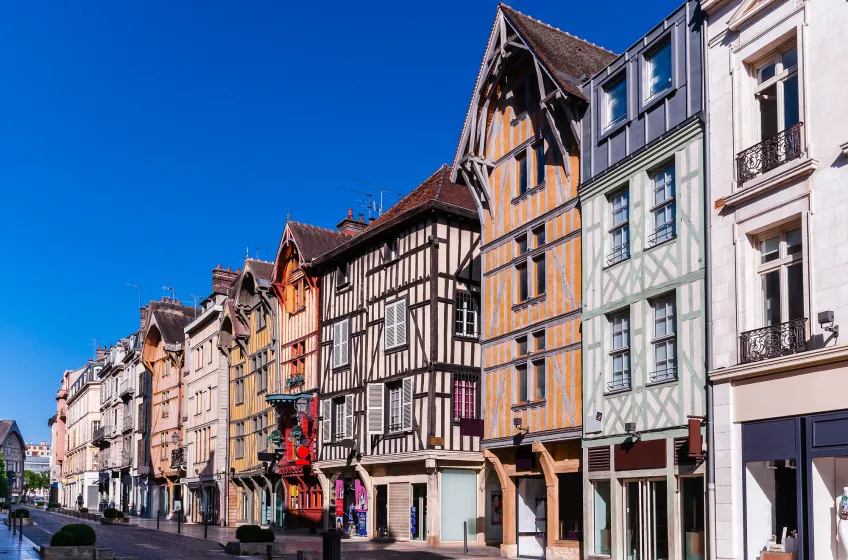
Troyes is worth visiting for its striking medieval character and deep historical roots. The town's unique heart is shaped like a Champagne cork, and within this compact centre you’ll find cobbled lanes, vibrant facades, and architectural treasures dating back to the Middle Ages and Renaissance. Its status as a former hub of trade during the Champagne fairs is still visible today in its opulent churches and merchant houses. Troyes also offers a strong cultural scene, excellent regional cuisine, and the best outlet shopping in France, making it a destination with something for everyone.
Troyes Highlights: Things to See and Do in Troyes
The Old Town and Half-Timbered Houses
Wandering through Troyes is like stepping into a storybook. The old town is filled with colourful, 16th-century half-timbered houses, many beautifully restored and now home to cafés, shops, and galleries. Rue Émile Zola and Rue Champeaux are two of the most charming streets to explore on foot.
Troyes Cathedral (Cathédrale Saint-Pierre-et-Saint-Paul)
This Gothic masterpiece features intricate stained-glass windows, towering spires, and a peaceful cloister. Work began in the 13th century, and although never completed, the cathedral is a stunning example of high Gothic architecture, known for its verticality and delicate tracery.
Saint-Urbain Basilica
A shining gem of Rayonnant Gothic style, this church was built under the patronage of Pope Urban IV, who was born in Troyes. The church’s light-filled interior and soaring vaults are particularly striking.
Église Sainte-Madeleine
One of the oldest churches in Troyes, Sainte-Madeleine is best known for its elaborately carved stone rood screen and breathtaking stained glass. The church is a serene spot for reflection and artistic appreciation.
Musée d’Art Moderne de Troyes
Housed in the former bishop’s palace, this museum holds a remarkable collection of 19th and 20th-century art, including works by Derain, Courbet, and Bonnard. It’s one of France’s best provincial modern art museums.
Musée de Vauluisant
This museum offers insight into Troyes’ textile history, once a centre of the French knitwear and hosiery industry. The building itself—a Renaissance mansion—is worth visiting for its architecture alone.
Hôtel-Dieu-le-Comte Apothecary
An exceptional example of an 18th-century hospital pharmacy, this museum displays traditional herbal medicine, ceramic jars, and medical instruments in a wonderfully preserved setting.
Outlet Shopping at Marques Avenue and McArthurGlen
Troyes is France’s outlet capital, with two major shopping centres offering designer and high-street brands at discounted prices. Visitors come from across the country for the deals, especially during the sales seasons in January and July.
Practical Advice for Visitors
Getting There
Troyes is about 1.5 hours by train from Paris Gare de l’Est, with frequent services. By car, it’s accessible via the A5 motorway and makes a great stop on a longer tour of the Champagne or Burgundy regions.
Parking
There are several large car parks around the city centre, and street parking is available with pay-and-display systems. Many hotels offer on-site or nearby parking. Free parking is often available outside the historic centre, within a 10-minute walk.
Dining
Troyes is known for andouillette, a distinctive local sausage made from pork and seasoned with mustard and white wine. Whether you love it or not, it’s a must-try. Also look for Champagne-marinated dishes, cheeses from the region, and traditional tarts. The town offers everything from cosy bistros to gourmet restaurants.
Shopping
Beyond the outlets, Troyes’ city centre has excellent independent boutiques, chocolatiers, and antique shops. Look for regional products like pink biscuits from Reims, Champagne from local producers, and artisanal textiles.
When to Visit
Spring and autumn are particularly pleasant, with mild weather and fewer tourists. The town’s architecture is especially beautiful when the light plays on its wooden façades. Summer brings festivals and long days for walking tours. Winter is quieter but atmospheric, especially during the Christmas market season.
Local Events
Troyes hosts a variety of cultural events throughout the year, including music festivals, art exhibitions, and historical commemorations. Medieval-themed weekends in summer bring the town’s history to life, with costumed parades, markets, and performances.
Exploring Beyond Troyes
Troyes is a great base for exploring the Aube wine route, including Champagne-producing villages like Montgueux and Les Riceys. The nearby Forêt d’Orient Regional Natural Park offers lakes, hiking trails, and birdwatching. Chablis and the northern Burgundy vineyards are just over an hour’s drive south.
Troyes is a place where history feels alive—where ancient streets invite wandering, stunning churches inspire awe, and local traditions are lovingly preserved. Whether you come for the architecture, the shopping, the food, or simply to soak up its atmosphere, Troyes delivers a beautifully balanced and deeply satisfying French experience.
Shortlist
- Your Shortlist is empty