
Discover Swansea | A Visitor's Introduction to Swansea
Swansea, a coastal city in South Wales, is known for its beautiful beaches, lively cultural scene, and deep-rooted history. Set between the sea and the rolling hills of the Gower Peninsula, Swansea combines scenic landscapes with modern attractions, making it an ideal destination for beach lovers, history enthisiasts, and adventurers alike. From the city’s historic sites and bustling market to the stunning beaches of the Gower, Swansea is a gateway to some of Wales’s most breathtaking natural beauty and rich cultural heritage.
Recommended Swansea Accommodation: Hotels Bed & Breakfasts Apartments
Why is Swansea Worth a Visit?
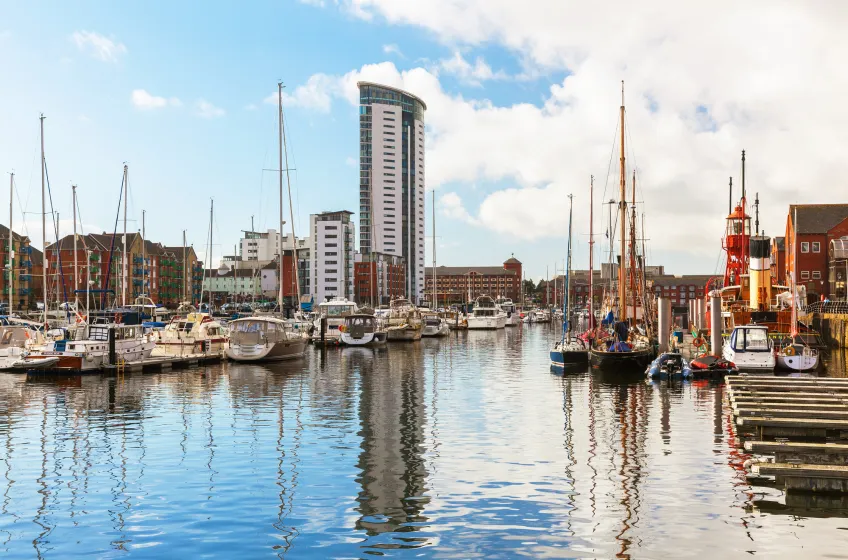
Swansea offers visitors a fantastic blend of natural beauty, cultural experiences, and waterfront attractions. The city is Wales’s second-largest and has much to offer, from fascinating museums and art galleries to award-winning beaches just minutes away. Swansea’s maritime heritage is highlighted in its museums, while the waterfront and marina area provide picturesque settings for dining and entertainment. Nearby, the Gower Peninsula—the UK’s first Area of Outstanding Natural Beauty—offers rugged cliffs, golden beaches, and scenic hiking trails, making Swansea the perfect base for exploring South Wales’s coast and countryside.
Swansea Highlights: Things to See and Do in Swansea
1. Swansea Bay
Swansea Bay is a beautiful stretch of coastline that runs from the marina to Mumbles Head, offering sandy beaches and fantastic views of the Bristol Channel. The bay is ideal for a relaxing walk or bike ride along the promenade, with plenty of cafés and restaurants along the way. At low tide, you can walk out onto the sands, explore rock pools, or enjoy water sports like paddleboarding and kayaking. The Swansea Bay area also hosts various events throughout the year, including summer festivals and food markets.
2. Mumbles
Mumbles, a charming village on the edge of Swansea Bay, is known for its picturesque waterfront, Victorian pier, and vibrant culinary scene. Stroll along the Mumbles Promenade and explore the independent shops, cafés, and galleries, or take a walk to Mumbles Lighthouse. Mumbles is also famous for its ice cream, with local favourites like Joe’s Ice Cream Parlour offering delicious treats. The village has a mix of traditional pubs and modern eateries, making it a perfect spot to enjoy a leisurely afternoon by the sea.
3. National Waterfront Museum
The National Waterfront Museum explores the industrial and maritime history of Wales, highlighting the impact of the Industrial Revolution and the development of Swansea as a major port. The museum’s interactive exhibits cover everything from coal mining to shipping, with displays that include steam engines, vintage vehicles, and multimedia installations. Located in the Maritime Quarter, the museum is free to enter and provides a fascinating look at the history that shaped South Wales.
4. Swansea Market
Swansea Market is the largest indoor market in Wales and is a must-visit for foodies and shoppers alike. Here, you’ll find a wide variety of local produce, seafood, baked goods, and Welsh delicacies like laverbread and cockles. The market also features stalls selling unique gifts, crafts, and local souvenirs. It’s the perfect place to experience the flavour of Swansea, and a great spot to pick up fresh ingredients or enjoy traditional Welsh treats.
5. Gower Peninsula
The Gower Peninsula, just a short drive from Swansea, is one of the most beautiful natural areas in the UK, known for its sandy beaches, dramatic cliffs, and unspoiled landscapes. Rhossili Bay, with its three miles of golden sands, is particularly stunning and consistently ranks among the best beaches in the world. Other highlights include Three Cliffs Bay, Oxwich Bay, and the limestone outcrop known as Worm’s Head. The Gower offers excellent walking trails, surf spots, and picnic areas, making it a must-visit for nature lovers.
6. Dylan Thomas Centre
Dedicated to the life and work of Welsh poet Dylan Thomas, the Dylan Thomas Centre offers exhibits, manuscripts, and multimedia displays that delve into his life and legacy. Located in the Maritime Quarter, the centre is housed in a beautiful old building and hosts regular events, readings, and performances that celebrate Welsh literature and poetry. A visit to the Dylan Thomas Centre provides a unique insight into one of Wales’s most beloved literary figures.
7. Oystermouth Castle
Situated on a hill overlooking Mumbles and Swansea Bay, Oystermouth Castle is a 12th-century Norman fortress that offers a glimpse into Swansea’s medieval past. The castle features historic stone walls, an ancient chapel, and stunning views over Swansea Bay. Visitors can explore the castle’s winding staircases, towers, and underground rooms, and during the summer, the castle hosts medieval reenactments and open-air events. It’s a family-friendly attraction with plenty of photo opportunities and educational displays.
8. Clyne Gardens
Clyne Gardens is a beautiful botanical garden just outside the city centre, known for its colourful rhododendrons, azaleas, and rare plant species. The gardens cover 47 acres and offer a mix of woodland trails, exotic plants, and scenic viewpoints. Clyne Gardens is particularly popular in spring when its blooming flowers create a vibrant display of colours. The gardens are free to enter and provide a tranquil retreat from the city, with plenty of benches and picnic spots to relax and enjoy the surroundings.
9. Plantasia Tropical Zoo
For a fun family-friendly experience, head to Plantasia, Swansea’s indoor tropical zoo located in Parc Tawe. This unique attraction is filled with tropical plants, exotic animals, and themed exhibits. Walk through rainforest pathways surrounded by banana trees and palms, and meet creatures like meerkats, parrots, reptiles, and monkeys. Plantasia also features educational displays and interactive areas, making it a great indoor option for kids and adults alike.
10. Singleton Park
Singleton Park is Swansea’s largest urban park, offering wide-open spaces, landscaped gardens, and plenty of activities for all ages. The park features a boating lake, miniature golf, and beautiful botanical gardens. Singleton Park also hosts events throughout the year, including concerts and the annual Swansea Festival of Music and the Arts. It’s a fantastic spot for a relaxing day out, with picnic areas, walking trails, and family-friendly activities.
Practical Advice for Visitors
Getting There
Swansea is well-connected by road, rail, and bus, making it easy to reach from major cities in the UK. By train, Swansea is just over 3 hours from London Paddington, with regular services operated by Great Western Railway. Cardiff is about an hour away by train, and buses run frequently between Swansea and other South Wales towns. For those driving, Swansea is accessible via the M4 motorway, with plenty of parking available in the city centre.
Parking
Swansea has several car parks throughout the city centre and near key attractions. Popular options include the Quadrant Car Park, High Street Car Park, and Waterfront Car Park. Mumbles and the Gower Peninsula also have parking facilities, though they can fill up quickly in summer, so it’s a good idea to arrive early if you plan to explore these areas.
Dining
Swansea offers a diverse dining scene, with a mix of Welsh cuisine, seafood, and international options. For a fine dining experience, try The Beach House Restaurant in Oxwich Bay, which offers a menu inspired by local seafood and fresh ingredients from the Gower. Grape & Olive, located on the top floor of Wales’s tallest building, provides panoramic views of Swansea Bay and serves a wide range of dishes. For something casual, head to Mumbles for fish and chips from Mumbles Pier Fish Bar or enjoy a classic Joe’s ice cream.
Shopping
In addition to Swansea Market, the city centre has several shopping areas, including the Quadrant Shopping Centre and Oxford Street, which feature high-street brands and independent stores. Mumbles offers a range of boutique shops, art galleries, and craft stores, perfect for unique finds. If you’re looking for Welsh souvenirs, local cheeses, or traditional crafts, Swansea Market is the place to go.
When to Visit
Swansea is enjoyable year-round, though the best time to visit is between late spring and early autumn when the weather is warmer and outdoor activities are in full swing. Summer is the busiest season, with plenty of events, festivals, and ideal beach conditions. Spring brings beautiful blooms to Clyne Gardens and Singleton Park, while autumn offers a quieter atmosphere and lovely coastal walks. Winter visits are equally charming, with cosy pubs and fewer crowds, though some attractions may have limited opening hours.
Local Events
Swansea has a full calendar of events celebrating its culture, history, and community. The Swansea International Festival in October is a major highlight, featuring music, art, and dance performances across the city. The Mumbles Oyster Festival celebrates local seafood with tastings, music, and food stalls, while Gower Walking Festival in June offers guided walks through some of the area’s most beautiful landscapes. During Christmas, Swansea’s Waterfront Winterland brings festive cheer with an ice rink, food stalls, and seasonal activities.
Exploring Beyond Swansea
Swansea’s location makes it an ideal base for exploring nearby attractions. The Brecon Beacons National Park, with its scenic hikes, waterfalls, and historic sites, is about an hour’s drive away. Neath Abbey and Waterfall Country offer spectacular walking trails with stunning waterfalls. A day trip to The Dylan Thomas Boathouse in Laugharne provides insight into the poet’s life in a charming coastal village setting. For adventure seekers, Pembrey Country Park offers biking trails, horse riding, and a long sandy beach, making it a great spot for a family day out.
Shortlist
- Your Shortlist is empty