
Discover Stourhead | A Visitor's Introduction to Stourhead
Stourhead is one of England’s most breathtaking landscape gardens, located in southwest Wiltshire near the border with Somerset. Centred around a grand Palladian mansion and a world-famous 18th-century garden, this National Trust property combines art, architecture, and nature in a uniquely harmonious way. Whether you’re captivated by classical temples and lakeside vistas or fascinated by stately homes and their heritage, Stourhead is an unforgettable destination for lovers of history, photography, and scenic walks.
Recommended Stourhead Accommodation: Hotels Bed & Breakfasts Pub Accommodation
Why is Stourhead Worth a Visit?
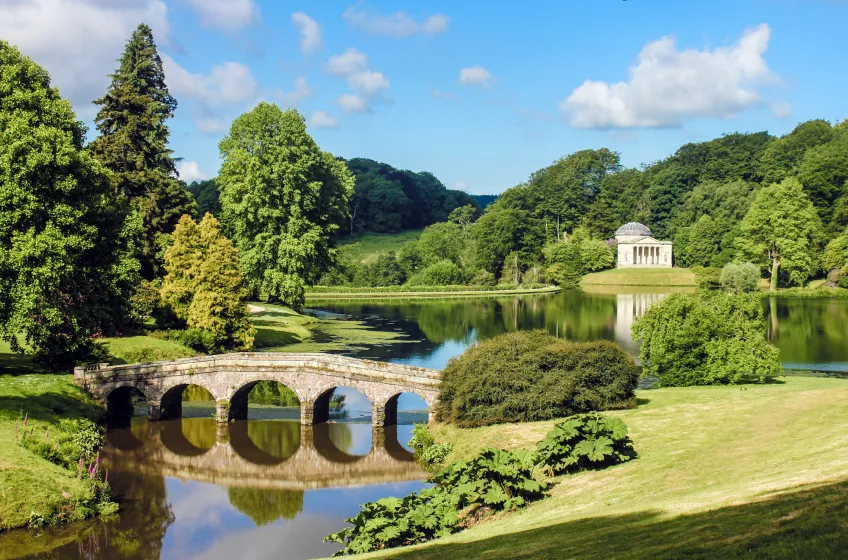
Stourhead is worth visiting for its unparalleled landscape garden, considered one of the finest examples of its kind in the world. Created in the mid-18th century by Henry Hoare II, the gardens are designed as a living painting, where every turn of the path reveals a new, picture-perfect scene. Classical temples, grottoes, bridges, and follies surround a central lake, all framed by carefully chosen trees and planting that offer spectacular colour throughout the seasons.
The accompanying Stourhead House adds further depth, with lavish interiors, period furniture, and a rich art collection. Beyond the core estate, Stourhead lies within a beautiful swathe of countryside near the village of Mere and the wooded chalk hills of Cranborne Chase. It’s ideal for romantic strolls, family outings, and anyone seeking peaceful immersion in one of the most thoughtfully curated natural spaces in Britain.
Stourhead Highlights: Things to See and Do in Stourhead
The Landscape Garden
The centrepiece of Stourhead, the landscape garden is a masterpiece of Georgian design. Visitors follow a circular path around the lake, encountering dramatic views and carefully placed features that evoke classical antiquity. The design was inspired by paintings of the Roman countryside and the ideals of the Grand Tour, and walking the garden feels like stepping into a landscape painting.
Expect to see the Pantheon reflected in the lake, a Gothic Cottage nestled in woodland, and the Temple of Apollo perched above the water—famous for its appearance in the 2005 film Pride and Prejudice. Every view has been meticulously composed to inspire awe and contemplation.
The Pantheon
Arguably the most iconic building in the garden, the Pantheon is a classical domed temple with statues of gods, goddesses, and heroes. It serves as a central visual anchor, perfectly reflected in the lake and visible from multiple vantage points. It’s a striking spot to pause and absorb the artistry of the garden.
Stourhead House
Stourhead House is a Palladian-style mansion built in the 1720s by the Hoare family, wealthy London bankers. The interiors are elegant and well-preserved, featuring family portraits, Chippendale furniture, and a fine collection of art and books. A guided or self-guided tour provides insight into the lives of the family who created and shaped Stourhead over generations.
The Grotto
Hidden within the rockwork of the garden’s edge, the Grotto is a cool, dim retreat housing evocative sculptures of a nymph and a river god. The effect is ethereal, enhanced by the echoing sound of water and shafts of light filtering in from hidden openings. It’s one of the garden’s most atmospheric stops.
Temple of Apollo
Perched on a hilltop above the lake, the Temple of Apollo commands sweeping views across the entire garden. Built in 1765, it was inspired by Roman temples and is supported by Ionic columns. The view from its portico is arguably the most famous in Stourhead and has been featured in numerous films and artworks.
Seasonal Highlights
In spring, the garden explodes into colour with rhododendrons, azaleas, and magnolias. Summer brings lush greenery and vibrant floral borders. Autumn is perhaps the most magical season at Stourhead, when fiery reds, golds, and oranges reflect in the calm lake, creating an otherworldly atmosphere that attracts photographers and nature lovers alike.
The Spread Eagle Inn and Courtyard Café
Located just outside the garden entrance, the Spread Eagle Inn is a historic pub offering classic British meals and local ales in a cosy, characterful setting. The National Trust’s Courtyard Café serves light lunches, snacks, and drinks, making it a convenient stop before or after your visit. Picnicking is also allowed in designated areas, especially around the parkland and meadows.
Parkland Walks and Alfred’s Tower
For those wanting a longer ramble, the wider Stourhead estate offers miles of footpaths through parkland and woodland. One of the most rewarding walks leads to Alfred’s Tower, a 49-metre-high folly built in the 1770s to commemorate King Alfred the Great. On open days, visitors can climb to the top for panoramic views over the Somerset and Wiltshire countryside.
Stourhead Village and Church
The estate village of Stourton, owned by the National Trust, has a quaint charm of its own. The Church of St Peter, next to the entrance gate, is a peaceful historic spot worth a brief visit. Its grounds include memorials to the Hoare family and offer a quiet retreat from the busier paths.
Practical Advice for Visitors
Getting There
Stourhead is located near the town of Mere, just off the A303, making it easily accessible by car. It’s around 2 hours from London and just over an hour from Bath, Salisbury, or Bristol. The nearest train stations are in Gillingham and Warminster, both about a 25-minute drive away. From there, taxis are the most convenient way to reach the estate.
Parking
Ample parking is available on site and is free for National Trust members. There’s a large main car park with overflow options during peak times. From the car park, it’s a short walk to the visitor reception, garden entrance, and facilities.
Opening Times and Tickets
Stourhead is open year-round, though hours vary by season. The garden is usually open daily from morning until early evening, while the house has more limited hours, typically from spring to autumn. Entry is free for National Trust members; non-members pay an admission fee that includes access to the gardens and house. It’s advisable to book tickets online during busy periods such as weekends and school holidays.
Dining and Facilities
Toilets and baby-changing facilities are located near the entrance. The Courtyard Café offers sandwiches, soups, and cakes, while the Spread Eagle Inn is perfect for a more substantial meal. There’s also an ice cream kiosk and a National Trust gift shop selling books, plants, and local produce.
Accessibility
Stourhead is moderately accessible. While the visitor facilities and parts of the house are wheelchair friendly, the garden path is long and includes some slopes, uneven surfaces, and steps. A buggy service is available on certain days, and there are mobility scooters for hire with advance booking.
When to Visit
Stourhead is beautiful in every season. Spring brings floral colour and fresh greenery, while summer offers shaded walks and picnics. Autumn is the most popular time for photographers due to the spectacular foliage. Winter visits are quieter but atmospheric, especially around Christmas when the National Trust often runs light trails or festive events.
Local Events
Stourhead regularly hosts events including open-air theatre, outdoor cinema, family trails, and nature walks. Autumn colour walks and spring garden tours are particularly popular, offering deeper insights into the estate’s design and planting. In December, Christmas at Stourhead transforms the garden with lights and music, adding a festive sparkle to an already enchanting setting.
Exploring Beyond Stourhead
If you have time to explore beyond the estate, the surrounding countryside offers more delights. Mere is a traditional market town with independent shops and cafés. Shaftesbury, home to the famous Gold Hill (of Hovis advert fame), is just 20 minutes away. The cathedral city of Salisbury, with its medieval streets and iconic spire, makes for an excellent day trip. Longleat Safari Park and House are also nearby, offering a lively contrast to the peace of Stourhead.
Stourhead is more than just a garden—it’s a timeless work of art, a place where classical beauty meets natural splendour. Whether you come for a leisurely stroll, a deep dive into 18th-century aesthetics, or simply to sit and admire the view, this enchanting estate leaves a lasting impression on all who visit.
Shortlist
- Your Shortlist is empty