
Discover Saint-Lô | A Visitor's Introduction to Saint-Lô
Saint-Lô, the capital of the Manche department in Normandy, is a town that blends resilience with quiet charm. Known as the “Capital of the Ruins” after its near-total destruction during World War II, Saint-Lô has risen from the ashes to become a symbol of post-war reconstruction and modern Norman identity. While it may not have the medieval glamour of Bayeux or the tourist pull of Mont-Saint-Michel, Saint-Lô rewards curious visitors with fascinating history, cultural depth, and a gateway to Normandy’s rolling countryside.
Ideal for WWII history enthusiasts, equestrian fans, and travellers seeking an off-the-beaten-path Normandy experience, Saint-Lô offers an authentic look at how a town can honour its past while embracing the future.
Recommended St-Lô Accommodation: Hotels Bed & Breakfasts
Why is Saint-Lô Worth a Visit?
Saint-Lô is worth visiting for its poignant history, post-war architecture, and central location in the heart of Normandy. It was one of the most heavily bombed towns in France during the Battle of Normandy, leaving the old town in ruins. The dramatic contrast between the ruins of the past and the modernist rebuilding of the 1950s gives Saint-Lô a unique architectural character.
Beyond its history, Saint-Lô is known as one of France’s main centres for horse breeding and training. With excellent connections to surrounding towns and rural areas, it's also an excellent base for exploring the Manche region and beyond.
St-Lô Highlights: Things to See and Do in Saint-Lô
Notre-Dame Church
One of the few historical buildings to survive the bombings, the Church of Notre-Dame stands as a solemn and powerful monument. Parts of its Gothic structure date back to the 13th century, and while it was heavily damaged, it has been sensitively restored, with one tower intentionally left in its ruined state as a reminder of the war. Inside, stained glass windows and quiet chapels offer a place for reflection.
The Ramparts and City Walls
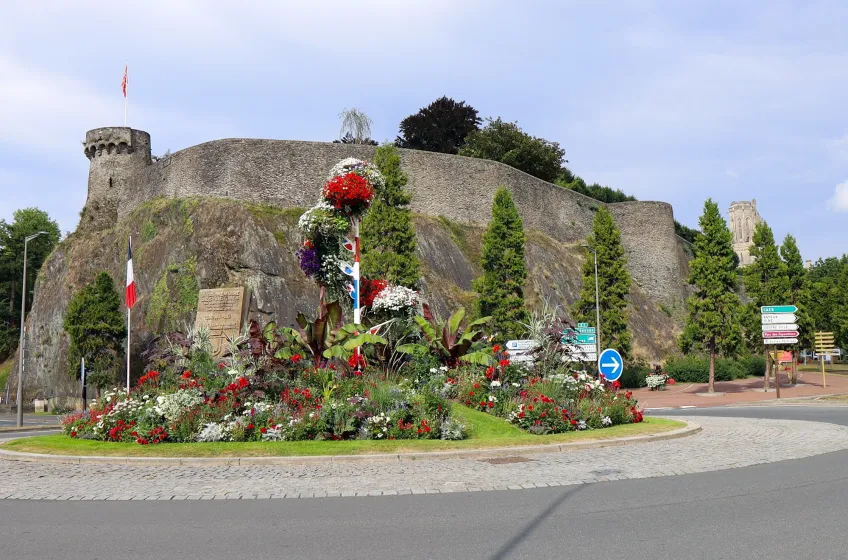
Saint-Lô’s hilltop location was once fortified, and you can still walk along sections of the medieval ramparts, which offer panoramic views over the Vire River and surrounding countryside. This is a great way to get a feel for the town’s strategic importance throughout history and enjoy a scenic, peaceful stroll.
Musée des Beaux-Arts et d’Histoire
Located in the heart of the town, this museum tells the story of Saint-Lô through archaeological finds, artwork, and wartime exhibits. It's a small but engaging museum with a focus on the local area’s cultural and historical evolution. Temporary exhibitions often showcase contemporary Norman artists.
Haras National de Saint-Lô
Horse lovers won’t want to miss a visit to the Haras National, one of the most important national stud farms in France. Set in impressive grounds, it’s a hub for equestrian events, shows, and breeding programmes. Guided tours are available and offer insight into France’s long tradition of horse breeding. The Normandy Horse Show, held here every summer, draws riders and breeders from across Europe.
Market Day
Saint-Lô hosts a bustling market every Saturday, with stalls sprawling through the town centre. Expect a vibrant mix of local cheeses, cider, Calvados, vegetables, meats, and crafts. It's a lively time to visit and a great opportunity to mingle with locals and stock up on regional specialities.
River Vire Walks and Cycling
The Vire River flows through Saint-Lô and offers pleasant walking and cycling routes along its banks. The Véloroute des Plages du Débarquement au Mont-Saint-Michel is a marked greenway trail that passes through Saint-Lô, perfect for cyclists or hikers keen to explore the countryside at a gentle pace.
The War Memorial and Rebuilding Tour
As a town so closely tied to WWII, Saint-Lô features numerous memorials and markers, including plaques, statues, and interpretive panels. A self-guided walk through the town reveals the story of its destruction in 1944 and subsequent rebuilding, making for a thoughtful and educational experience.
Practical Advice for Visitors
Getting There
Saint-Lô is well connected by train, bus, and road. Trains from Caen and Paris (via Lison or Bayeux) make it accessible without a car, though driving allows more flexibility to explore surrounding countryside and heritage sites. It's about:
-
3 hours from Paris by train or car.
-
1 hour from Caen by train or car.
-
40 minutes from Bayeux.
Parking
Parking is plentiful and mostly free or inexpensive, with car parks available near the market, town centre, and major attractions. Street parking is also widely available, with time-limited zones clearly marked.
Dining
Saint-Lô has a good variety of restaurants and cafés, offering both traditional Norman fare and international cuisine. Try:
-
Le Bistrot 59: A stylish bistro with seasonal dishes and local ingredients.
-
Le Bœuf dans l’Assiette: For high-quality steaks and meat dishes in a relaxed setting.
-
L’Intuition: A refined dining experience with creative modern French cuisine.
Cider, cheese, and apple-based desserts are staples of the local menus. Crêperies and casual eateries provide options for lighter meals or quick lunches.
Shopping
Saint-Lô’s shopping district includes fashion boutiques, bookstores, homeware shops, and gourmet food stores. Be sure to visit a local fromagerie to sample Normandy’s famous cheeses like Camembert, Pont-l’Évêque, and Livarot, and stock up on local cider and salted butter caramels.
When to Visit
Saint-Lô is a year-round destination, though spring and summer (May–September) are best for walking, cycling, and enjoying local events. Autumn is beautiful, with harvest colours and fewer crowds. Winter is quieter, but the town's festive decorations and markets add charm to the cooler months.
Local Events
-
Normandy Horse Show (August): A major equestrian event with international competitors, shows, and exhibitions.
-
Summer Concerts and Outdoor Events: Held throughout July and August in the town centre and parks.
-
Christmas Market (December): Featuring local crafts, festive treats, and seasonal cheer.
-
Journées du Patrimoine (September): Heritage Days with special access to historic buildings and cultural sites.
Exploring Beyond Saint-Lô
Saint-Lô’s central location makes it a great base for day trips:
-
Bayeux (40 minutes): Famous for the Bayeux Tapestry and medieval centre.
-
Omaha and Utah Beaches (under 1 hour): Explore the D-Day landing sites and museums.
-
Granville (1 hour): A bustling seaside town with beaches and the Christian Dior Museum.
-
Mont-Saint-Michel (1.5 hours): One of France’s most iconic sites.
Shortlist
- Your Shortlist is empty