
Discover St-Émilion | A Visitor's Introduction to St-Émilion
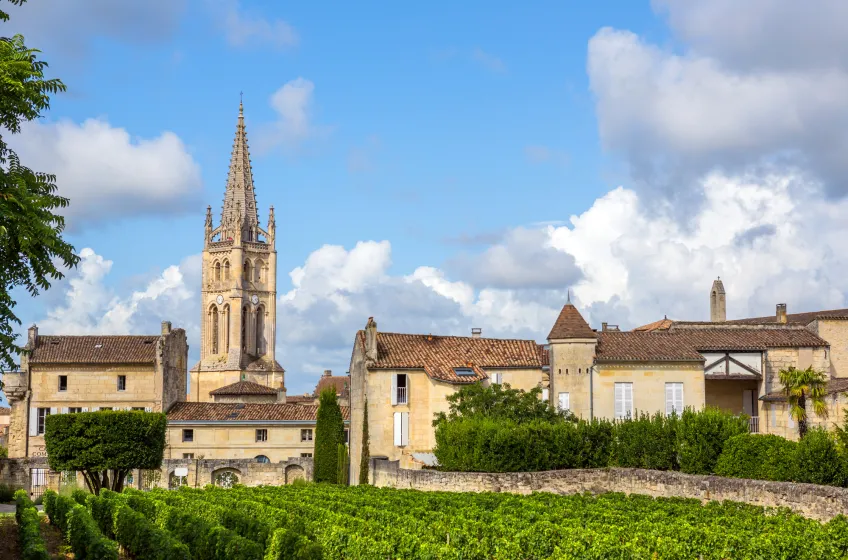
Saint-Émilion, a picturesque medieval village in the heart of France’s Bordeaux wine region, is a haven for wine lovers, history enthusiasts, and those seeking the charm of old-world France. Perched on a hill and surrounded by rolling vineyards, this UNESCO World Heritage site is famous for its world-class wines, monolithic church, and cobblestone streets. Combining a rich history with an exceptional wine culture, Saint-Émilion offers a quintessential French experience.
Recommended Hotels in St-Émilion
Why is Saint-Émilion Worth a Visit?
Saint-Émilion is renowned worldwide for its prestigious wines, with vineyards that have been cultivated since Roman times. Its quaint village is a treasure trove of historic sites, from a vast underground church to ancient ramparts. The village’s atmosphere is enchanting, with its labyrinth of medieval streets lined with wine shops, artisanal boutiques, and charming cafés. Beyond wine and history, its breathtaking scenery and proximity to Bordeaux make it a perfect destination for a day trip or a longer stay.
Saint-Émilion Highlights: Things to See and Do in Saint-Émilion
Monolithic Church and Bell Tower
The Église Monolithe, or Monolithic Church, is one of Saint-Émilion’s most iconic landmarks. Carved directly into the limestone rock during the 12th century, this underground marvel is the largest of its kind in Europe. Visitors can explore its vast nave, eerie catacombs, and the adjoining Hermitage of Saint-Émilion, where the town’s namesake is believed to have lived. Climb the bell tower for panoramic views of the village and surrounding vineyards.
Vineyards and Wine Tasting
Saint-Émilion is synonymous with wine, and visiting its châteaux is a must. Many vineyards offer guided tours and tastings, where you can learn about the winemaking process and sample exceptional Merlot-based wines. Notable estates include Château Cheval Blanc, Château Ausone, and Château La Dominique, each offering a unique experience. For a more immersive journey, join a bike or walking tour through the vineyards.
The King’s Tower (Tour du Roy)
The Tour du Roy, a 13th-century stone tower, is a rare example of medieval military architecture in the region. Climbing to the top rewards visitors with stunning views of the village and its vineyards. The tower also holds historical significance as the place where the Jurade, the town’s historic wine council, was established.
Cloister of the Collegiate Church
The Collégiale de Saint-Émilion, a Gothic church dating back to the 12th century, features a serene cloister that provides a peaceful retreat from the bustling village. The cloister’s arches and sculptures offer a glimpse into the town’s religious heritage.
The Underground Potteries
The Les Grottes de Ferrand, or underground potteries, are a hidden gem showcasing a fascinating history of ceramic production. This unique site includes kilns and workshops carved into the rock, demonstrating the town’s historic craftsmanship.
Saint-Émilion Wine Museum
For an in-depth look at the region’s wine culture, visit the Maison du Vin de Saint-Émilion, which offers exhibits on the history and techniques of winemaking. The museum is a great place to deepen your appreciation of the wines you’ll be tasting during your visit.
The Great Wall (La Grande Muraille)
The Grande Muraille, a remnant of a 13th-century Dominican monastery, is an impressive structure that stands as a testament to the town’s rich past. It’s a popular photo spot and provides a striking backdrop to the surrounding vineyards.
Les Cordeliers Cloister
The Les Cordeliers Cloister, a tranquil 14th-century ruin, is a peaceful spot to enjoy a glass of sparkling Crémant de Bordeaux, produced on-site. Visitors can take a tour of the subterranean cellars and relax in the garden.
Local Shops and Markets
Saint-Émilion’s streets are filled with wine shops, gourmet food stores, and artisanal boutiques. From fine wines and truffle-infused products to handcrafted pottery and regional specialties, the village is a treasure trove for shoppers. Be sure to sample macarons, a local speciality made from a centuries-old recipe.
Walking and Cycling Trails
The countryside around Saint-Émilion offers picturesque trails for walking and cycling. Routes wind through the vineyards and nearby villages, providing scenic views and a closer connection to the land that produces the region’s famous wines.
Practical Advice for Visitors
Getting There
Saint-Émilion is easily accessible from Bordeaux. By train, it’s a 35-minute journey, with the station located a 20-minute walk from the village centre. By car, it’s about 45 minutes via the A89 motorway. The village’s small size makes it easy to explore on foot once you arrive.
Parking
Parking is available on the outskirts of the village, with designated car parks like Place Bouqueyre and Parking du Château du Roi. During peak tourist season, parking can fill up quickly, so it’s best to arrive early.
Dining
Saint-Émilion’s restaurants offer a delightful mix of traditional and contemporary French cuisine. Logis de la Cadène, a Michelin-starred gem, serves refined dishes with a focus on local ingredients. For a more casual experience, try L’Envers du Décor, known for its excellent wine list and charming courtyard. Don’t miss trying regional delicacies like duck confit, foie gras, and canelés (caramelized pastries).
Shopping
The village is a paradise for wine lovers, with numerous shops offering bottles from prestigious local estates and smaller producers. Many shops provide expert guidance and tastings. Additionally, look for regional specialties such as walnut oil, truffle products, and the town’s signature macarons.
When to Visit
The best times to visit Saint-Émilion are in spring (April to June) and autumn (September to October), when the weather is pleasant, and the vineyards are especially beautiful. Summer is lively with festivals and events but can be busy. For a quieter experience, winter offers fewer crowds and the charm of off-season tranquillity.
Local Events
Saint-Émilion hosts several wine-focused events throughout the year. The Spring Festival celebrates the new vintage, while the Harvest Festival in autumn showcases traditional winemaking activities. The Ban des Vendanges, an ancient tradition marking the start of the grape harvest, includes parades and festivities.
Exploring Beyond Saint-Émilion
Saint-Émilion’s location makes it a great base for exploring the Bordeaux region. Nearby, the city of Bordeaux offers stunning architecture, museums, and vibrant nightlife. For a quieter escape, visit the Dordogne River valley or the charming villages of Pomerol and Fronsac, known for their exceptional wines.
Shortlist
- Your Shortlist is empty