
Discover St. Bees | A Visitor's Introduction to St. Bees
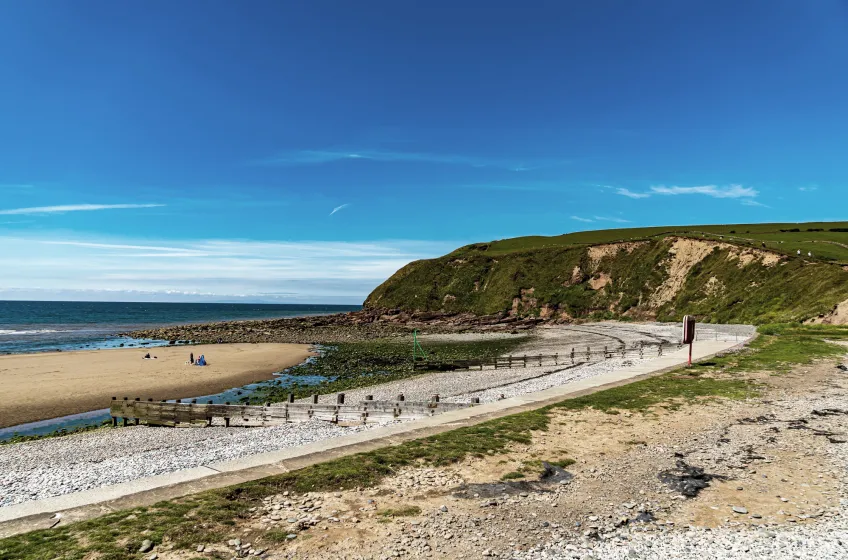
St Bees is a picturesque seaside village on the Cumbrian coast, just south of Whitehaven and west of the Lake District National Park. Best known as the starting point of Alfred Wainwright’s famed Coast to Coast Walk, St Bees is steeped in history and blessed with natural beauty. With its dramatic red sandstone cliffs, long sandy beach, and a charming village core, St Bees is an excellent destination for walkers, nature lovers, and those seeking a peaceful coastal retreat.
Recommended St. Bees Accommodation: Hotels
Why is St Bees Worth a Visit?
St Bees is worth visiting for its unique blend of coastal scenery, historical depth, and tranquil atmosphere. It’s home to the only Heritage Coast between Wales and Scotland, making it a key spot for geological and wildlife interest, particularly its thriving seabird colonies. The village’s beach is one of the best on the Cumbrian coast, popular with families and walkers alike.
St Bees also has a deep monastic history, with the beautiful St Bees Priory standing as one of the oldest religious buildings in the county. Its connections to the Coast to Coast Walk give it a special status among hikers, but you don’t need to walk 190 miles to enjoy the charm of this village. Whether you’re after a quiet beach holiday, a dose of history, or a base for coastal exploration, St Bees offers an idyllic and underrated escape.
St. Bees Highlights: Things to See and Do in St Bees
St Bees Beach
St Bees Beach is a wide, sandy expanse stretching for nearly a mile, perfect for paddling, picnicking, and peaceful strolls. Backed by a promenade and sandstone cliffs, the beach is popular with families in summer and dog walkers year-round. Rock pools at low tide provide a bit of seaside fun for younger visitors, and the sunsets over the Irish Sea are spectacular.
St Bees Head and the RSPB Reserve
The cliffs of St Bees Head are the highest on the Cumbrian coast and form part of a designated Heritage Coast. This is the only breeding site in England for the black guillemot, and the RSPB reserve offers fantastic opportunities to spot seabirds, including kittiwakes, fulmars, and razorbills. A clifftop walk from the beach to the headland rewards visitors with sweeping views and a feeling of wild remoteness.
St Bees Priory
Dating back to the 12th century, St Bees Priory is a remarkably well-preserved Norman church that was once part of a Benedictine monastery. The priory’s interior includes ancient stone carvings, medieval effigies, and a fascinating exhibition in the restored monastic chancel. The discovery of the “St Bees Man” – a mummified 14th-century knight – adds a touch of mystery and intrigue to this historic site.
The Coast to Coast Walk
St Bees marks the beginning of Alfred Wainwright’s Coast to Coast Walk, which stretches 190 miles across northern England to Robin Hood’s Bay in Yorkshire. Even if you’re not planning to walk the entire route, the first few miles along the coastal path are stunning and accessible. There's a marker near the beach that commemorates the trail’s starting point – a must for walkers and Wainwright fans.
The Beacon Museum and Whitehaven Harbour (nearby)
Just a short drive or train ride from St Bees, Whitehaven offers further historical interest. The Beacon Museum on the harbourside tells the story of the town's maritime and mining past, while the harbour itself is a pleasant spot for a meal or ice cream with a view. If you’re staying in St Bees for a few days, Whitehaven makes a great half-day outing.
Egremont Castle and Town (nearby)
Egremont, a ten-minute drive inland, is home to the ruins of a Norman castle and a quirky little museum. It also hosts the annual Egremont Crab Fair, one of the oldest fairs in the world, famous for the eccentric gurning competition – a unique slice of Cumbrian culture.
Walking and Cycling
The surrounding countryside is ideal for both gentle and more challenging walks. In addition to the coastal route, you can explore inland paths leading to nearby villages, woodlands, and open fields. The C2C (Sea to Sea) cycle route also passes close by, offering a scenic stretch for cyclists.
Practical Advice for Visitors
Getting There
St Bees is easily accessible by road or rail. It lies off the A595 and is about 15 minutes' drive from Whitehaven. The village is served by its own railway station on the scenic Cumbrian Coast Line, with regular services from Carlisle, Whitehaven, and Barrow-in-Furness. The train journey itself is a highlight, hugging the coastline for long stretches.
Parking
There’s a pay-and-display car park near the beach, with additional parking available in the village centre. During summer weekends, it’s wise to arrive early to get a good spot, especially if the weather is fine. Most walking trails also begin near the beach car park.
Dining
St Bees has a handful of welcoming places to eat. The Queen’s Hotel and The Manor serve traditional pub fare, while Hartley’s Beach Shop offers takeaways and ice creams ideal for beachgoers. A couple of cafés and a bakery provide light lunches and homemade cakes. For more dining options, nearby Whitehaven offers a broader selection of restaurants and takeaways.
Shopping
There are a few local shops in the village, including a convenience store and a newsagent. For gifts and local produce, Whitehaven has a wider range of retailers. Be sure to check out any local craft stalls or pop-up markets that sometimes appear during the summer.
When to Visit
St Bees is at its best between May and September, when the weather is warmer and the bird colonies are active. Spring offers beautiful coastal wildflowers, while summer is ideal for beach days and walks. Autumn brings vivid sunsets and a quieter atmosphere, perfect for reflective strolls. Winter can be brisk but beautiful, especially for storm watching along the coast.
Local Events
While St Bees itself doesn’t host many major events, nearby Egremont and Whitehaven have seasonal festivals worth checking out. The Egremont Crab Fair in September is an ancient fair with music, stalls, and unusual competitions. Whitehaven often hosts maritime festivals and summer events that draw in regional crowds.
Exploring Beyond St Bees
St Bees is ideally placed for exploring both the Cumbrian coast and the western edge of the Lake District. Ennerdale, one of the least visited and most tranquil Lake District valleys, is only about 30 minutes away by car. The port town of Maryport and the Roman remains at Ravenglass also make for interesting day trips. For walkers with more stamina, the coastal route south toward Sellafield and Seascale offers further dramatic scenery.
Shortlist
- Your Shortlist is empty