
Discover The South Downs | A Visitor's Introduction to The South Downs
Recommended places to visit, places to stay and things to do across the South Downs
The South Downs, stretching across the counties of Hampshire, West Sussex, and East Sussex in South East England, are a stunning area of rolling hills, charming villages, and breathtaking coastal cliffs. As one of the UK’s newest national parks, established in 2010, the South Downs offer a rich blend of natural beauty, historic sites, and outdoor activities. Known for their chalk hills, lush valleys, and the famous Seven Sisters cliffs, the South Downs are a haven for hikers, cyclists, and anyone looking to immerse themselves in the English countryside.
Recommended South Downs Accommodation: All Hotels 4&5 Star Luxury Hotels Country House Hotels Budget Hotels Family-Friendly Hotels Spa & Wellness Hotels Romantic Hotels Bed & Breakfasts Pub Accommodation
Pre-Book South Downs Attractions, Tours & Experiences
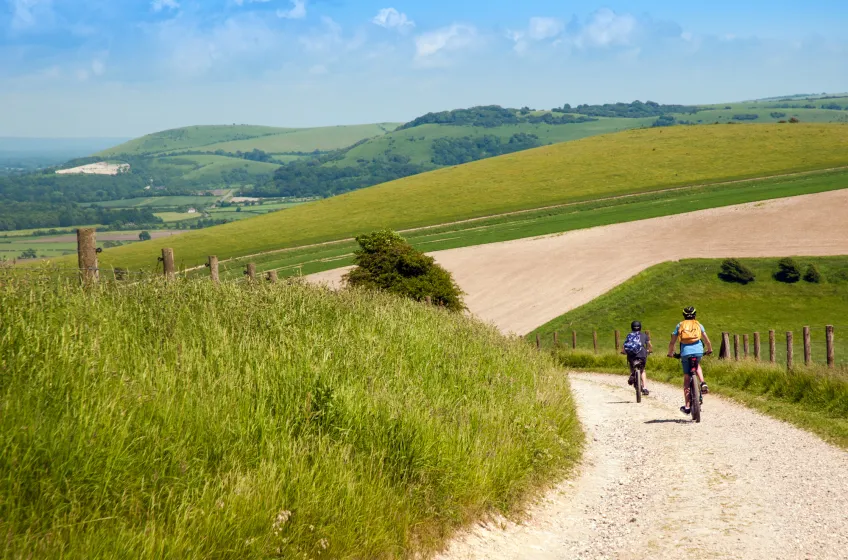
Why are the South Downs Worth a Visit?
The South Downs are worth visiting for their picturesque landscapes, charming villages, and rich cultural heritage. The area’s rolling hills and chalk cliffs provide a stunning backdrop for outdoor activities such as hiking, cycling, and horse riding. History enthusiasts will appreciate the ancient landmarks, from Iron Age hill forts to stately homes and historic churches. The South Downs are also known for their food and drink scene, including local vineyards and traditional pubs. Whether you’re exploring scenic trails, relaxing in picturesque villages, or enjoying the local produce, the South Downs offer a delightful escape into nature and history.
South Downs Highlights: Things to See and Do in the South Downs
1. Seven Sisters Cliffs
The Seven Sisters are a series of dramatic chalk cliffs that form part of the South Downs coastline. These iconic white cliffs offer breathtaking views of the English Channel and are a popular destination for walkers and photographers. The South Downs Way passes through this area, providing excellent hiking opportunities. The nearby Birling Gap offers beach access and a visitor centre with information about the geology and history of the cliffs.
2. South Downs Way
The South Downs Way is a 100-mile-long National Trail that runs from Winchester in Hampshire to Eastbourne in East Sussex. This trail is perfect for walking, cycling, or horse riding and offers stunning views of the countryside and coast. The route passes through charming villages, rolling hills, and historic sites, making it a great way to experience the beauty and diversity of the South Downs.
3. Winchester
The historic city of Winchester, at the western end of the South Downs Way, is known for its stunning Winchester Cathedral, one of the largest cathedrals in Europe. The city also boasts a rich literary heritage, being the final resting place of Jane Austen. Visitors can explore the medieval streets, visit the Great Hall with its legendary King Arthur’s Round Table, and enjoy the city’s vibrant food scene.
4. Arundel Castle
Arundel Castle, located in the town of Arundel, is one of the most impressive and well-preserved castles in England. The castle has been the family home of the Dukes of Norfolk for over 850 years. Visitors can explore the grand rooms, the stunning Arundel Cathedral, and the beautifully landscaped gardens. The castle hosts a variety of events throughout the year, including jousting tournaments and medieval festivals.
5. Devil’s Dyke
Devil’s Dyke is a deep, steep-sided valley on the South Downs, offering spectacular views of the surrounding landscape. According to legend, the valley was created by the devil in an attempt to flood the area. Today, it’s a popular spot for hiking, paragliding, and picnics. The nearby Devil’s Dyke Pub offers a cosy spot to relax with panoramic views.
6. Petworth House and Park
Managed by the National Trust, Petworth House is a grand 17th-century mansion known for its impressive art collection, including works by Turner and Van Dyck. The house is set within a beautiful deer park designed by Capability Brown, providing a serene setting for walks and wildlife spotting. The nearby market town of Petworth is also worth exploring for its antique shops and galleries.
7. Ditchling Beacon
Ditchling Beacon is one of the highest points on the South Downs, offering panoramic views of the surrounding countryside and the distant sea. It’s a popular spot for walkers, cyclists, and nature lovers. The area is rich in history, with evidence of ancient settlements and hill forts. The nearby village of Ditchling is charming, with its traditional pubs and the Ditchling Museum of Art + Craft.
8. Alfriston and the Long Man of Wilmington
The village of Alfriston is one of the most picturesque in the South Downs, with its historic buildings, quaint tea rooms, and the Alfriston Clergy House, the first property acquired by the National Trust. Nearby, the Long Man of Wilmington, a mysterious chalk figure carved into the hillside, adds an air of intrigue. The origins of the figure remain a subject of debate, adding to its mystique.
9. Cissbury Ring
Cissbury Ring is one of the largest and most impressive Iron Age hill forts in England. Located near Worthing, it offers stunning views of the South Downs and the coast. The site is rich in history, with evidence of Neolithic flint mining and Roman activity. It’s a great spot for walking, exploring ancient history, and enjoying the natural beauty of the area.
10. Lewes
The historic town of Lewes is known for its medieval streets, independent shops, and vibrant arts scene. The town’s highlights include Lewes Castle, the Anne of Cleves House, and the Harveys Brewery, which offers tours and tastings. Lewes is also famous for its annual Bonfire Night celebrations, one of the most spectacular in the country.
11. Goodwood Estate
The Goodwood Estate, located near Chichester, is renowned for its world-class events, including the Goodwood Festival of Speed and the Goodwood Revival, which celebrate motorsport and classic cars. The estate also features a historic house, a golf course, and an organic farm. Visitors can enjoy a range of activities, from horse racing at Goodwood Racecourse to dining at the estate’s award-winning restaurants.
12. Beachy Head
Beachy Head is the highest chalk sea cliff in Britain, offering dramatic views of the English Channel. The area is popular for hiking, photography, and birdwatching. The Beachy Head Pub provides a cosy spot to enjoy a meal with stunning views. Nearby, the Belle Tout Lighthouse, now a unique bed and breakfast, adds to the charm of this iconic landscape.
13. Pulborough Brooks
Managed by the RSPB, Pulborough Brooks is a haven for birdwatchers and nature enthusiasts. This wetland reserve is home to a variety of bird species, including waders, ducks, and birds of prey. The reserve features a network of trails and hides, offering excellent opportunities for wildlife spotting and photography. The visitor centre provides information and facilities for a great day out in nature.
14. Firle Beacon
Firle Beacon is another high point on the South Downs, offering sweeping views of the Sussex countryside. The area is ideal for walking and exploring the chalk grassland, home to a variety of wildflowers and butterflies. The nearby village of Firle is charming, with its traditional pubs and the historic Firle Place, a stately home with beautiful gardens and art collections.
15. Steyning and Bramber Castle
The village of Steyning is a quintessential South Downs village with its medieval streets, independent shops, and cosy pubs. Nearby, the ruins of Bramber Castle offer a glimpse into the area’s Norman past. The castle grounds provide a peaceful setting for a walk, with stunning views of the surrounding countryside. Steyning is also known for its annual Steyning Festival, which celebrates local arts and culture.
Practical Advice for Visitors
Getting There
The South Downs is easily accessible by car, train, and bus. Major roads like the A27 and A3 provide good access to the region. The area is well-served by trains, with stations in key towns like Winchester, Lewes, and Eastbourne. Gatwick Airport and Southampton Airport are the nearest major airports, offering both domestic and international flights.
Parking
Parking is available at most key attractions and trailheads, with both free and paid options. During peak times, especially in popular spots like Seven Sisters and Devil’s Dyke, parking can fill up quickly, so arriving early is recommended. National Trust members can often benefit from free parking at designated sites.
Public Transport
The South Downs is well-served by a network of buses and trains, making it easy to explore the region without a car. The South Downs National Park Authority provides information on public transport options, including the Breeze Buses that connect key attractions like Devil’s Dyke and Ditchling Beacon with nearby towns.
Dining
The South Downs boasts a vibrant food scene, with a mix of traditional pubs, farm shops, and fine dining restaurants. Many establishments focus on local produce, offering seasonal menus that showcase the best of the region. Try local specialities like Sussex lamb, South Downs venison, and locally-produced wines from vineyards such as Rathfinny Estate and Bolney Wine Estate.
Shopping
The South Downs is home to a variety of independent shops, artisan markets, and farm shops. Towns like Lewes and Petworth offer unique boutiques, antique shops, and galleries. Local markets, such as the Lewes Farmers’ Market, provide an opportunity to buy fresh produce, handmade goods, and regional specialities.
When to Visit
The South Downs is a year-round destination, but the best time to visit is between late spring and early autumn when the weather is mild, and the countryside is in full bloom. Summer is ideal for outdoor activities and festivals, while autumn offers beautiful foliage and quieter trails. Winter visits can be equally rewarding, with fewer crowds and the charm of cosy pubs and festive markets.
Local Events
The South Downs hosts a variety of events and festivals throughout the year. The Goodwood Festival of Speed and Goodwood Revival attract motorsport enthusiasts from around the world. The Lewes Bonfire Night is a spectacular event celebrating Guy Fawkes Night. The Arundel Festival and Steyning Festival offer a mix of music, theatre, and art in picturesque settings.
Exploring Beyond the South Downs
The South Downs is an excellent base for exploring nearby attractions. The historic city of Chichester, with its stunning cathedral, is a short drive away. Brighton, known for its vibrant arts scene and iconic pier, offers a lively contrast to the tranquillity of the South Downs. The New Forest National Park and the coastal towns of Hastings and Rye are also within easy reach.
Shortlist
- Your Shortlist is empty