
Discover Sleat | A Visitor's Introduction to Sleat
Recommended places to visit, places to stay and things to do in and around Sleat
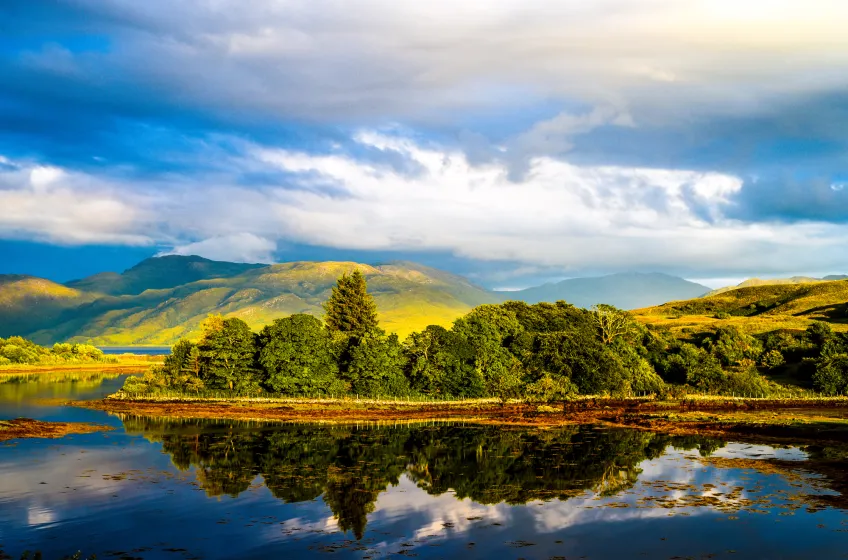
Sleat (pronounced "Slate") is a scenic and culturally rich peninsula on the southern tip of the Isle of Skye, often described as “The Garden of Skye” due to its lush landscapes, woodlands, and gentle coastline. It’s a quieter, less-travelled part of the island that offers a softer contrast to the jagged peaks and dramatic cliffs found elsewhere on Skye. With its Gaelic heritage, historic sites, and soul-soothing scenery, Sleat is a perfect destination for those seeking a peaceful, authentic Highland escape.
From castle ruins and woodland walks to Gaelic colleges and sea views, Sleat combines natural beauty with cultural depth, making it a favourite among walkers, history lovers, and those who enjoy a slower pace of life.
Recommended Sleat Accommodation: Hotels Bed & Breakfasts
Why is Sleat Worth a Visit?
Sleat is worth visiting because it showcases a different side of Skye — one of green hills, native forest, and deep cultural roots. While other parts of the island are known for their stark and dramatic beauty, Sleat is sheltered, fertile, and richly historical. It’s the perfect place to unwind, take in sweeping views across the Sound of Sleat, and connect with the island’s Gaelic-speaking heart.
This area is dotted with small villages like Armadale, Isleornsay, and Tarskavaig, each offering its own charm and hospitality. It’s home to Sabhal Mòr Ostaig, Scotland’s national centre for Gaelic language and culture, as well as a number of heritage sites, gardens, and scenic walking trails.
Whether you're coming for a romantic retreat, a cultural deep-dive, or simply to slow down and reconnect with nature, Sleat offers a truly special slice of Skye.
Sleat Highlights: Things to See and Do in Sleat
Armadale Castle, Gardens & Museum of the Isles
The former seat of the Clan Donald, Armadale Castle is now a romantic ruin set within a 40-acre estate of woodland gardens and trails. While the castle itself is a crumbling but beautiful shell, the gardens are lovingly maintained and feature rare trees, rhododendrons, and spectacular views to the mainland mountains.
The Museum of the Isles, housed in a modern building on the estate, tells the story of the Lords of the Isles, Clan Donald, and Highland life from medieval times to the present day. It’s one of the best historical attractions on Skye and a must-see for history buffs and anyone curious about Scotland’s clan legacy.
Sabhal Mòr Ostaig (The Gaelic College)
Located near the village of Kilbeg, Sabhal Mòr Ostaig is the leading institution for Gaelic language and culture in Scotland. While it's primarily a place of study, it also hosts public lectures, performances, art exhibitions, and music events, especially during the summer.
Even if you’re not attending a class, it’s worth checking what’s on — you might catch a traditional music concert, poetry reading, or Gaelic storytelling session. It’s a rare opportunity to experience living Gaelic culture in its heartland.
Tarskavaig and the Point of Sleat
The remote crofting village of Tarskavaig, set among hills and heather, is one of the most scenic spots in Sleat. It offers classic Skye views of the Cuillin Hills, especially on clear days, and is a great starting point for walkers heading to the Point of Sleat — the southernmost tip of the island.
The walk to the Point of Sleat is about 4 miles (around 2 hours return) and offers coastal paths, open moorland, and, at the end, Camusdarach-like white sands at Sandy Beach. It’s one of Skye’s hidden gems — ideal for photography, picnicking, and spotting seals or even dolphins offshore.
Isleornsay
This charming harbour village, also known by its Gaelic name Eilean Iarmain, looks out over a sheltered bay and to the hills of Knoydart across the water. It’s home to a picturesque pier, a lovely art gallery, and the Eilean Iarmain Hotel, famous for its warm hospitality and seafood.
The village is also home to Pràban na Linne, producers of Gaelic whisky brands like Poit Dhubh and Té Bheag. The hotel’s bar is the perfect place to try a dram or two while soaking up harbour views.
Sleat Peninsula Scenic Drive
The road that winds down the Sleat Peninsula from Broadford to Armadale is one of the most scenic drives on Skye. It passes through forests, lochs, and crofting villages, with frequent views of the sea and mountains.
Stop off at small beaches, admire the Skye marble quarries, or simply enjoy the rolling green landscapes that earned Sleat its title as the Garden of Skye. The drive is peaceful and less trafficked than the island’s more northerly routes, ideal for those wanting a relaxing, immersive experience.
Kinloch Forest and Leitir Fura
Kinloch Forest, just north of Isleornsay, offers a series of well-marked walking trails, including a route to Leitir Fura, a cleared 18th-century township. As you walk through native woodland, you’ll come across ruins, moss-covered stonework, and interpretation panels explaining the area’s history.
The viewpoint at Leitir Fura is a highlight, with sweeping views over the Sound of Sleat, Knoydart, and nearby Eigg. This area is also rich in wildlife — you might see deer, birds of prey, or even pine martens if you’re lucky.
Gaelic and Crofting Heritage
Sleat remains one of the few parts of Skye where Scottish Gaelic is widely spoken, and traditional crofting culture is still very much alive. The area is dotted with whitewashed cottages, working farms, and small fishing piers, giving it a timeless quality.
Many locals take pride in their heritage, and visitors are often welcomed with warmth and curiosity. Local craft shops and roadside stalls sell home baking, woollens, and Skye produce, much of it made right in the village.
Practical Advice for Visitors
Getting There
-
By car: Sleat is about 25 minutes from Broadford and 1 hour 15 minutes from Portree, following the A851 road south.
-
By ferry: The Armadale–Mallaig ferry connects Sleat to the mainland. It's a 30-minute crossing, with beautiful views of the Small Isles. Book ahead in summer.
-
By bus: Stagecoach buses run from Broadford and Portree to Armadale, with stops in villages like Isleornsay and Kilbeg. Services are limited, so check timetables in advance.
Getting Around
A car is highly recommended for exploring Sleat fully, as attractions are spread out and public transport is infrequent. The roads are quiet and scenic, and cycling is also possible for experienced riders — just be prepared for the occasional steep hill and variable weather.
Parking
Free parking is widely available in most villages and at all major attractions, including:
-
Armadale Castle & Gardens
-
Point of Sleat trailhead
-
Isleornsay Pier
-
Kinloch Forest car park
There are also lay-bys along the A851 for scenic stops and photo opportunities.
Dining
Sleat may be rural, but it has some excellent dining options:
-
Hotel Eilean Iarmain – Traditional Highland cuisine with local seafood and game.
-
Armadale Castle Café – Light lunches, baking, and coffee in a beautiful setting.
-
The Duisdale House Hotel – Fine dining in a country house hotel with views over the Sound.
-
Toravaig House Hotel – Boutique hotel with seasonal menus and a refined atmosphere.
-
Local food stands and cafés – Especially during summer, offering home baking and Skye produce.
Reservations are recommended in the evenings, especially at the more exclusive hotels.
Shopping
Sleat is a good place to find authentic crafts, local foods, and Gaelic-themed gifts. Highlights include:
-
Gallery An Talla Dearg – Small gallery in Isleornsay featuring Skye artists.
-
Armadale Castle shop – Books, jewellery, and Clan Donald merchandise.
-
Skye Skin Care, woollen goods, and roadside stalls — often unmanned, with honesty boxes.
For essentials, there is a small village shop in Armadale, and more services are available in Broadford.
When to Visit
-
May to September: Ideal for weather, wildflowers, and full access to attractions. June and July are warmest.
-
Spring (April–May): Quiet, fresh, and full of birdlife. Good walking conditions.
-
Autumn (September–October): Golden light, misty mornings, and peaceful roads.
-
Winter: Very quiet and atmospheric, with limited services and short daylight hours. Best for solitude and storm-watching.
Local Events
Sleat’s community calendar includes a range of cultural happenings:
-
Gaelic concerts at Sabhal Mòr Ostaig – Often featuring traditional music and language.
-
Local craft fairs – Especially around Christmas and midsummer.
-
Heritage events at Armadale Castle – Including re-enactments and clan gatherings.
Check village noticeboards or the Sleat Community Trust website for up-to-date listings.
Exploring Beyond Sleat
Sleat’s location makes it ideal for day trips to:
-
Broadford and Elgol – For dramatic views of the Cuillins (40 mins).
-
The Small Isles (Eigg, Rum) – Reachable via ferry from Mallaig.
-
Knoydart Peninsula – Accessible via ferry from Mallaig, a great option for hiking.
-
Torrin and Bla Bheinn – For serious walkers and mountain views.
Sleat offers a more tranquil, verdant version of Skye, where Gaelic traditions thrive and the pace of life slows to match the rhythm of the tides. With its rich heritage, welcoming communities, and gentle natural beauty, it’s the perfect part of the island for slow travellers, cultural seekers, and anyone looking to unwind amidst authentic Highland scenery.
Shortlist
- Your Shortlist is empty