
Discover Shetland | A Visitor's Introduction to The Shetland Islands
Recommended places to visit, places to stay and things to do on the Shetland Isles
The Shetland Islands, located at the northernmost tip of Scotland, are a stunning archipelago of rugged beauty, rich history, and unique culture. Comprised of over 100 islands, of which only 16 are inhabited, Shetland offers visitors a chance to experience untamed landscapes, fascinating Viking heritage, and a warm, welcoming community. Whether you’re drawn to its dramatic cliffs, serene beaches, or vibrant wildlife, the Shetland Islands promise an unforgettable adventure in a truly magical setting.
Recommended Shetland Accommodation: Hotels Bed & Breakfasts
Why Are the Shetland Islands Worth a Visit?
The Shetland Islands are worth visiting for their unparalleled natural beauty, deep-rooted history, and peaceful way of life. With breathtaking coastlines, ancient archaeological sites, and unique traditions like the Up Helly Aa Viking fire festival, Shetland is a destination like no other. The islands are a haven for wildlife enthusiasts, offering opportunities to see puffins, seals, and orcas in their natural habitat. From exploring prehistoric settlements to hiking along dramatic cliffs, Shetland provides a one-of-a-kind escape into the wild.
Shetland Highlights: Things to See and Do in the Shetland Islands
Lerwick
The capital of Shetland, Lerwick, is a bustling port town with a rich maritime heritage. Explore its charming harbour, independent shops, and cosy cafés. Don’t miss the Shetland Museum and Archives, which provides a fascinating overview of the islands' history, from prehistoric times to the modern era.
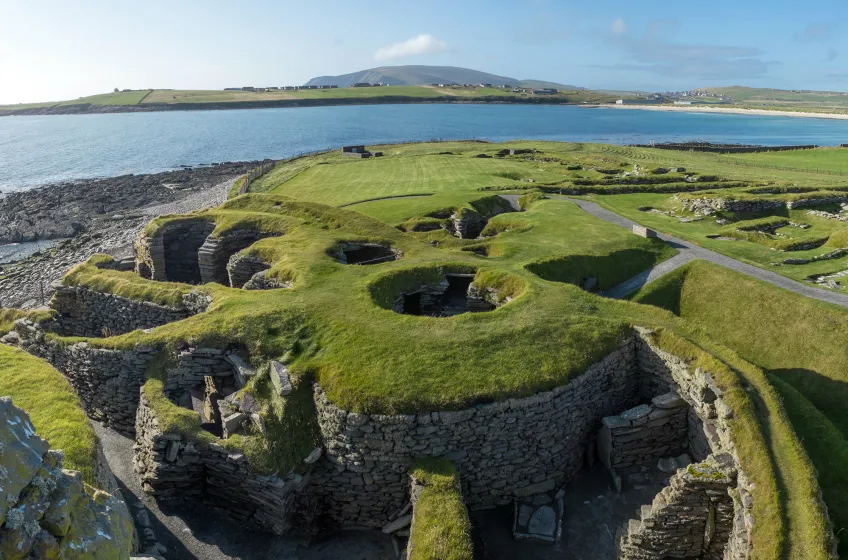
Jarlshof Prehistoric and Norse Settlement
Located in Sumburgh, Jarlshof is one of Shetland’s most significant archaeological sites. This extraordinary complex showcases 4,000 years of history, with remains from the Bronze Age, Iron Age, Viking Age, and medieval period. Wander through the ancient ruins and imagine life in Shetland centuries ago.
Sumburgh Head Lighthouse and Nature Reserve
At Shetland’s southern tip, Sumburgh Head offers stunning views and fantastic wildlife spotting. The cliffs here are home to puffins, guillemots, and other seabirds during the breeding season. The lighthouse, which includes a visitor centre, provides insights into Shetland’s natural and maritime history.
Eshaness Cliffs
The Eshaness Cliffs on Shetland’s northwest coast are a testament to the islands’ dramatic geology. Carved by ancient volcanic activity and pounding waves, the cliffs are a spectacular sight and perfect for hiking. The Eshaness Lighthouse adds a picturesque touch to this wild and remote area.
Mousa Broch
Mousa Broch is one of the best-preserved Iron Age structures in Europe. Located on the uninhabited island of Mousa, this 13-metre-tall broch (a round tower) is an architectural marvel. A boat trip to Mousa also offers the chance to see seals, seabirds, and, during summer, storm petrels nesting inside the broch.
Up Helly Aa
Shetland’s most famous festival, Up Helly Aa, takes place in Lerwick every January. This Viking-inspired fire festival features torchlit processions, traditional costumes, and the dramatic burning of a Viking longship. It’s a spectacular event that celebrates Shetland’s Norse heritage and community spirit.
St. Ninian’s Isle
St. Ninian’s Isle is connected to the mainland by a breathtaking tombolo, a natural sand causeway. This picturesque spot is perfect for a leisurely walk, beachcombing, and photography. The island is also famous for the discovery of Pictish silver treasure in 1958.
Scalloway
The historic village of Scalloway was once the capital of Shetland and is home to Scalloway Castle, a 17th-century ruin with a fascinating past. The Scalloway Museum highlights the wartime history of the Shetland Bus, a secret operation that smuggled supplies to Nazi-occupied Norway during World War II.
Shetland Ponies
Shetland is synonymous with its adorable ponies, which roam freely across the islands. These small but hardy animals are a must-see, and you’ll often spot them grazing near the roadside or on open moorland. They’re a perfect photo opportunity!
Unst
Unst is the northernmost inhabited island in the UK and a treasure trove of Viking history. Visit the Unst Heritage Centre and Viking Longhouse for insights into Norse life. Unst is also home to beautiful beaches, rare flora, and Hermaness Nature Reserve, a haven for seabirds and puffins.
Wildlife Watching
Shetland is a wildlife enthusiast’s paradise. Take a boat trip to see seals, otters, dolphins, and orcas in their natural habitats. The islands’ cliffs are alive with seabirds, including puffins, gannets, and fulmars, especially during the summer breeding season.
Shetland Textile Tradition
Shetland is famous for its high-quality wool and intricate knitting patterns. Visit local workshops or the Shetland Textile Museum to learn about this centuries-old craft. Be sure to pick up a handmade Shetland sweater or scarf as a souvenir.
Practical Advice for Visitors
Getting There
The Shetland Islands can be reached by air or sea:
- By Air: Regular flights operate from major Scottish cities like Aberdeen, Edinburgh, and Glasgow to Sumburgh Airport.
- By Ferry: NorthLink Ferries provide an overnight service from Aberdeen to Lerwick. Ferries also run from Orkney to Shetland.
Getting Around
The islands are connected by an efficient network of roads, ferries, and buses. Hiring a car is recommended for exploring more remote areas. Inter-island ferries and flights make it easy to visit outer islands like Unst, Yell, and Foula.
Accommodation
Shetland offers a range of accommodations, from cosy B&Bs and self-catering cottages to hotels in Lerwick. For a unique experience, consider staying in a converted lighthouse or a traditional croft house.
Dining
Local produce is a highlight of Shetland’s cuisine. Fresh seafood, including salmon, mussels, and scallops, is a must-try. Don’t miss traditional dishes like reestit mutton and bannocks, or enjoy locally brewed ales. Lerwick has a good selection of restaurants, while smaller villages often feature charming tearooms and pubs.
When to Visit
Shetland is a year-round destination, but the best time to visit depends on your interests:
- Summer (May to August): Ideal for wildlife, long daylight hours, and outdoor activities.
- Winter (December to February): Offers a chance to see the Northern Lights and experience the Up Helly Aa festival.
Packing Tips
The weather in Shetland can be unpredictable, so pack layers, waterproofs, and sturdy footwear. Don’t forget binoculars for wildlife spotting and a camera to capture the stunning landscapes.
Shortlist
- Your Shortlist is empty