
Discover Savoie | A Visitor's Introduction to Savoie
Recommended places to visit, places to stay and things to do in Savoie
Savoie is a stunning Alpine department in southeastern France, part of the Auvergne-Rhône-Alpes region and sharing a border with Italy. Known for its dramatic mountain scenery, charming traditional villages, and world-class ski resorts, Savoie offers a rich combination of outdoor adventure, cultural heritage, and hearty cuisine. It’s a destination that effortlessly caters to thrill-seekers, nature lovers, and foodies alike.
From the towering peaks of the Vanoise National Park to the sparkling waters of Lac du Bourget, Savoie is as picturesque as it is diverse. Whether you're carving down snowy slopes, hiking alpine trails, soaking in thermal spas, or exploring medieval towns, Savoie delivers an unforgettable French Alpine experience.
Recommended Savoie Accommodation: All Hotels 4&5 Star Luxury Hotels Budget Hotels Bed & Breakfasts
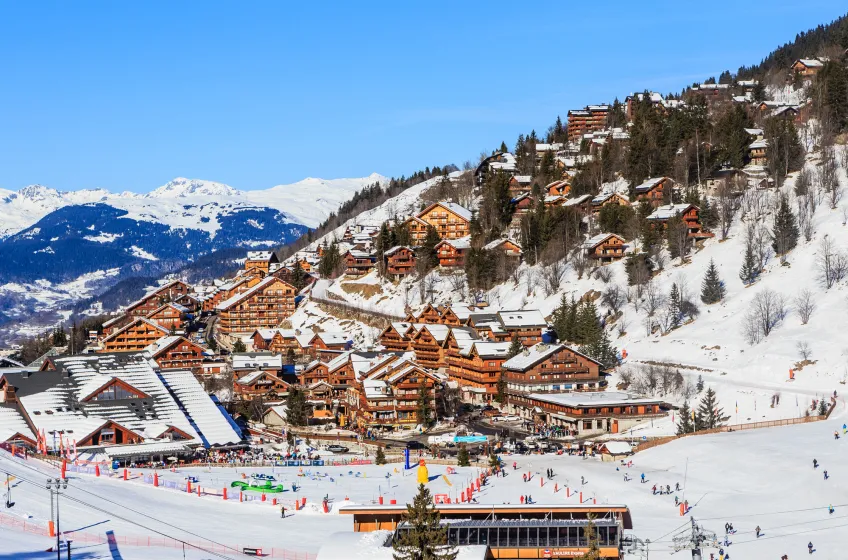
Why is Savoie Worth a Visit?
Savoie is worth visiting for its awe-inspiring natural beauty, deep-rooted mountain culture, and its position at the heart of the French Alps. Home to some of the biggest ski areas in the world, the region is a winter wonderland for snow sports enthusiasts. But Savoie is far from a one-season destination. In spring and summer, its valleys transform into verdant playgrounds for hikers, cyclists, and paragliders.
This is a region that takes pride in its traditions — from the distinctive Baroque chapels that dot its alpine villages, to local cheeses like Beaufort and Tomme de Savoie that are produced in mountain pastures. The food here is rich, comforting, and built around the needs of hard-working mountain folk, with dishes like fondue, raclette, and diots (Savoie sausages) all playing starring roles.
Savoie’s charm lies in its variety: glacier views, spa towns, lakeside beaches, historic forts, and farm stays all sit within an easy drive. Whether you’re coming for the powder snow or the peaceful summer meadows, Savoie offers authentic Alpine France at its very best.
Savoie Highlights: Things to See and Do in Savoie
Chambéry
The historic capital of Savoie, Chambéry is a charming city set in a valley surrounded by mountains. The old town is a delight to wander, with its Italianate architecture, covered passageways, and the whimsical Fontaine des Éléphants, a 19th-century monument honouring General de Boigne. Visit the Château des Ducs de Savoie, once the seat of the counts and dukes of Savoie, and explore the Museum of Fine Arts, which holds a strong collection of Italian Renaissance works.
Chambéry is also a great base for exploring nearby lakes and ski resorts, while still enjoying the conveniences and vibrancy of city life.
Lac du Bourget and Aix-les-Bains
France’s largest natural lake, Lac du Bourget is a jewel of the Savoie landscape. Surrounded by mountains, its shimmering waters offer boating, swimming, paddleboarding, and lakeside cycling paths. On the eastern shore sits Aix-les-Bains, a stylish Belle Époque spa town famed for its thermal waters.
Aix-les-Bains combines wellness and heritage, with Roman ruins, grand hotels, and a beautiful lakeside promenade. The town is also a gateway to the Massif des Bauges Regional Natural Park, perfect for scenic hikes and nature discovery.
Vanoise National Park
Established in 1963, Vanoise National Park is France’s first national park and a paradise for outdoor adventurers. It protects a vast alpine area with glaciers, high-altitude lakes, flower-filled meadows, and majestic peaks like the Grande Casse. The park is a haven for wildlife too — keep your eyes peeled for ibex, marmots, chamois, and golden eagles.
Well-marked trails connect mountain refuges, making multi-day hikes accessible for all levels. Villages like Pralognan-la-Vanoise and Termignon are excellent bases for exploring the park.
Les Trois Vallées (The Three Valleys)
This iconic ski area is one of the largest in the world, comprising Courchevel, Méribel, Les Menuires, and Val Thorens. With over 600 km of ski runs, state-of-the-art lifts, and a network of resorts suited to all budgets, it’s the ultimate winter playground.
But don’t write it off in summer — the Three Valleys also offer superb mountain biking, paragliding, hiking, and trail running. The scenery is breathtaking, and alpine meadows bloom with wildflowers under the summer sun.
Albertville and the Olympic Legacy
Albertville is best known for hosting the 1992 Winter Olympics, and it remains a focal point for winter sports heritage. The town itself is modest, but nearby Conflans, a fortified medieval village overlooking the valley, is worth a visit. Wander its cobbled streets, artisan shops, and enjoy the views from the ramparts.
The Maison des Jeux Olympiques d’Hiver in Albertville offers insights into the history of the Winter Games and the development of ski culture in the region.
Beaufort and the Cheese Route
The quaint village of Beaufort, nestled in the Tarentaise Valley, is the birthplace of the world-famous Beaufort cheese — known as the “Prince of Gruyères”. Visit the Cooperative Laitière de Beaufort, where you can watch the traditional cheese-making process and stock up on creamy, nutty Beaufort AOP straight from the source.
The area is also part of the Route des Fromages de Savoie, which links producers of Reblochon, Tomme, Abondance, and other regional cheeses. It’s a must for any foodie with a love for alpine flavours.
Fort de Tamié
Perched above the Albertville valley, the Fort de Tamié is a 19th-century fortress built to protect the border with Italy. Today, it’s open to visitors and offers panoramic views and walking trails through the ramparts. There’s also a treetop adventure park for kids and adults, making it a fun and educational family stop.
Nearby, you can visit the Abbaye de Tamié, a Trappist monastery known for producing Tamié cheese, a rich and creamy soft cheese made by the monks.
Les Arcs and La Plagne (Paradiski)
Together, Les Arcs and La Plagne form the Paradiski area — another one of France’s top ski destinations. In winter, it’s a mecca for skiing, snowboarding, and après-ski, while in summer, it's transformed into a peaceful region for hiking, cycling, and mountain festivals.
Les Arcs 1950, in particular, is known for its pretty alpine architecture, while Arc 1800 has more of a buzz with shops, bars, and spas.
Haute-Maurienne Valley
This lesser-known corner of Savoie, bordering Italy, is packed with charm and alpine authenticity. Villages like Bessans, Bonneval-sur-Arc (another of France’s most beautiful villages), and Aussois offer traditional stone houses, artisan bakeries, and a warm mountain welcome.
It’s a superb area for cross-country skiing in winter and alpine trekking in summer, with access to the Vanoise National Park and the Col de l’Iseran, one of Europe’s highest paved roads.
Lac d’Aiguebelette
For those seeking a quieter, warmer lake than Bourget, Lac d’Aiguebelette is a serene haven tucked between hills. It’s one of the warmest natural lakes in France and is popular for kayaking, swimming, and pedal boating. Motorboats are banned, preserving its tranquil atmosphere and making it ideal for families.
It’s also a great place for birdwatching and picnicking, with designated natural areas and walking paths around the lake.
Practical Advice for Visitors
Getting There
Savoie is accessible via several nearby airports: Chambéry Savoie Mont Blanc Airport (seasonal, mostly winter flights), Lyon-Saint Exupéry Airport, and Geneva International Airport.
High-speed TGV trains serve Chambéry, Aix-les-Bains, and Albertville from Paris (approx. 3 hours), Lyon, and other major French cities. Regional trains connect smaller towns and valleys.
If you plan to explore the mountains, a car is highly recommended, especially outside of ski season when public transport is limited in rural areas.
Parking
In towns like Chambéry and Aix-les-Bains, you'll find underground and street parking, often paid. Ski resorts have designated car parks, though they can fill quickly during peak season. Many hotels offer parking for guests. In villages and rural areas, parking is generally free and straightforward.
Dining
Savoie is a paradise for lovers of rich, comforting food. Local dishes include:
-
Fondue Savoyarde – Melted cheese with white wine, served with bread cubes.
-
Raclette – Melted cheese scraped over potatoes, pickles, and charcuterie.
-
Tartiflette – Potatoes, bacon, onions, and Reblochon cheese baked together.
-
Crozets – Small square pasta often baked with cream and cheese.
-
Diots – Savoyard sausages cooked in wine or grilled.
Pair your meals with Apremont or Chignin-Bergeron wines from the region, and finish with a Genepi herbal liqueur.
Shopping
Markets are held weekly in towns like Chambéry, Beaufort, and Aix-les-Bains, selling local cheeses, charcuterie, honey, and handmade crafts. Ski resorts also offer shops for alpine gear and souvenirs.
For foodies, pick up Beaufort cheese, Reblochon, Savoy wine, and artisan saucisson. Hand-carved wooden items, traditional Savoyard textiles, and alpine pottery also make great gifts.
When to Visit
Winter (December to March) is perfect for skiing, snowboarding, and festive alpine villages. Spring (April to June) brings quieter trails and blooming meadows — great for hiking and sightseeing before the crowds.
Summer (July to early September) is ideal for lakeside holidays, trekking, cycling, and enjoying warm weather with cool mountain air. Autumn (late September to November) offers peaceful getaways with colourful foliage and harvest festivals.
Each season offers something different, and many travellers return to experience both the snowy magic of winter and the green beauty of summer.
Local Events
-
Festival Musilac Mont-Blanc (April, Les Houches) – Music festival with stunning mountain views.
-
Fête du Fromage (Beaufort, August) – A celebration of local cheese with tastings and demonstrations.
-
Christmas Markets (various towns, December) – Cosy winter events with mulled wine, crafts, and alpine charm.
-
Tour de France – Frequently passes through Savoie; check routes if visiting in July.
-
Classicaval (Val d’Isère, January & March) – A classical music festival in a unique mountain setting.
Exploring Beyond Savoie
If you have time, explore neighbouring gems such as:
-
Haute-Savoie – Just to the north, home to Annecy, Chamonix, and Lake Geneva.
-
Isère – Offers more alpine charm and the dramatic Vercors and Écrins massifs.
-
Italy – Via the Little Saint Bernard Pass or Fréjus Tunnel, you can easily pop into the Aosta Valley.
With its blend of stunning landscapes, timeless traditions, and four-season appeal, Savoie is one of France’s most enchanting departments. Whether you come for the snow or the sunshine, the spa or the ski slope, the wine or the cheese, this beautiful corner of the Alps promises a truly authentic and memorable escape.
Shortlist
- Your Shortlist is empty