
Discover Saône-et-Loire | A Visitor's Introduction to Saône-et-Loire
Recommended places to visit, places to stay and things to do in Saône-et-Loire
Saône-et-Loire is a scenic and culturally rich département in the southern part of Burgundy (Bourgogne-Franche-Comté), named after the two rivers that define much of its character — the Saône and the Loire. This is a land of rolling vineyards, Romanesque churches, peaceful canals, and ancient towns. Whether you’re here for wine, history, cycling, or simply a taste of la belle vie in the French countryside, Saône-et-Loire offers a wealth of experiences with fewer crowds than other parts of Burgundy.
Home to famous wines from Mâconnais and Chalonnais, the magnificent abbey at Cluny, the charming town of Tournus, and endless opportunities for scenic drives or relaxed bike rides, this département is a wonderful destination for slow travel, gastronomy, and heritage lovers.
Recommended Saône-et-Loire accommodation: Hotels
Why is Saône-et-Loire Worth a Visit?
Saône-et-Loire is worth visiting for its perfect mix of Burgundian charm, historic monuments, famous wine regions, and gentle landscapes. Less touristy than the Côte-d’Or to the north, it’s a region that encourages discovery at your own pace. From vineyard trails and canal-side cycle routes to medieval abbeys and bustling food markets, the département captures the soul of Burgundy without the bustle.
It’s particularly appealing to:
-
Wine lovers, thanks to the white wines of Mâcon and the reds of Mercurey
-
History enthusiasts, with Romanesque architecture and archaeological treasures
-
Cyclists and walkers, thanks to a huge network of voies vertes (greenways)
-
Foodies, drawn by local cheeses, Charolais beef, and Michelin-starred dining
If you’re after a blend of relaxation, rural beauty, and cultural depth, Saône-et-Loire has plenty to offer.
Saône-et-Loire Highlights: Things to See and Do in Saône-et-Loire
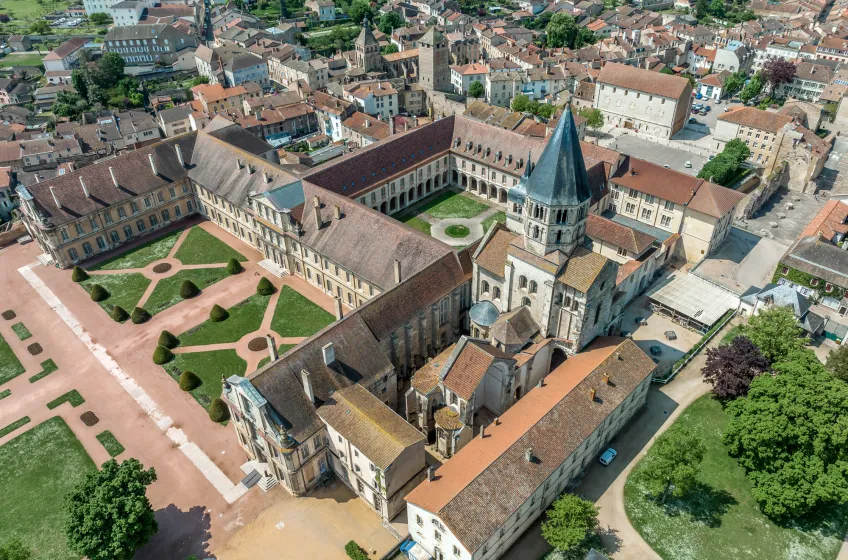
Cluny Abbey
Cluny Abbey was once the most powerful monastery in Europe, and though much of it was destroyed during the French Revolution, what remains is spectacular. Founded in the 10th century, it became the spiritual heart of a massive monastic network across Europe.
Today, visitors can:
-
Explore the abbey ruins, towers, and museum
-
Use augmented reality tablets to see reconstructions of the original complex
-
Wander the surrounding medieval town of Cluny, full of cobbled lanes and Romanesque charm
Nearby, horse lovers can visit Haras National de Cluny, a former royal stud farm with equestrian shows and a beautiful park.
Tournus
The riverside town of Tournus is famous for the Abbaye Saint-Philibert, one of the best-preserved Romanesque churches in France, with its striking pink stone and peaceful cloisters.
Tournus also boasts:
-
A charming old town full of galleries and antique shops
-
Riverside paths along the Saône for walking or cycling
-
Excellent dining, including Michelin-starred restaurants and traditional bistros
It’s one of the most atmospheric towns in Saône-et-Loire and makes a great base for exploring the region.
Mâcon and the Mâconnais Wine Region
Mâcon, the southernmost city in Burgundy, sits on the Saône River and has a more Mediterranean feel than towns further north. Its pastel façades and riverside promenade give it a laid-back charm.
Highlights include:
-
The Wooden House (Maison de Bois) – a late medieval house with intricate carvings
-
The Musée des Ursulines, housed in a former convent
-
Riverside markets and cafés
Mâcon is also the centre of the Mâconnais wine region, known for excellent Chardonnay-based white wines, especially:
-
Pouilly-Fuissé
-
Saint-Véran
-
Viré-Clessé
Many local producers welcome visitors for tastings, especially in villages like Fuissé, Solutré-Pouilly, and Igé.
Rock of Solutré (Roche de Solutré)
Just west of Mâcon, the Rock of Solutré is a striking limestone escarpment rising dramatically above the vineyards. It’s an iconic symbol of the region, and the short hike to the top offers stunning views of the Mâconnais hills and vines.
Nearby you’ll also find:
-
The Musée de la Préhistoire, highlighting the site’s archaeological significance
-
A circular vineyard trail at the base, ideal for gentle walking and wine tasting
This area is part of the Grand Site de France and is especially beautiful at sunset.
Charolles and Charolais Country
Charolles is a small, elegant town known as the capital of Charolais, a region famous for its white cattle and high-quality beef.
In Charolles you can:
-
Visit the Charolais Museum, which tells the story of the region’s pastoral heritage
-
Enjoy walks through green pastures and along rivers
-
Dine on locally reared beef in traditional restaurants
The surrounding Charolais-Brionnais area has been proposed as a UNESCO World Heritage site for its historic bocage (hedgerow-lined fields) landscape and architectural richness.
Chalon-sur-Saône
The largest city in Saône-et-Loire, Chalon-sur-Saône sits on the Saône River and is known for its historic centre and photography heritage — it was the birthplace of Nicéphore Niépce, a pioneer of photography.
Top sights include:
-
Saint Vincent Cathedral and the medieval quarter
-
The Niépce Museum, showcasing vintage cameras and early photos
-
River cruises and markets by the waterfront
Chalon is also the centre of the Côte Chalonnaise wine region, known for expressive red and white wines that are often great value.
Voie Verte (Greenway Cycle Routes)
Saône-et-Loire is home to one of France’s oldest and best-developed networks of greenways — disused railway lines and canal towpaths converted into car-free cycle and walking routes.
Popular stretches include:
-
Chalon to Cluny – through vineyards and villages
-
Givry to Buxy and Saint-Gengoux-le-National – past wine estates and Romanesque churches
-
Along the Canal du Centre – linking Digoin, Paray-le-Monial, and Montceau-les-Mines
Bike hire is available in many towns, and the terrain is largely flat — perfect for families or relaxed touring.
Paray-le-Monial
A town of spiritual significance, Paray-le-Monial is known for its beautiful Romanesque basilica, which attracts both pilgrims and architecture enthusiasts.
Other draws include:
-
Peaceful gardens and cloisters
-
The Sacred Heart Museum
-
A tranquil setting beside the Bourbince River
The town is also a good stop along the Voie Verte and is close to Digoin, where the canal crosses the Loire River via a dramatic aqueduct.
Practical Advice for Visitors
Getting There
By car: Saône-et-Loire is easily reached via the A6 motorway, which runs from Paris to Lyon, with exits near Mâcon, Tournus, and Chalon-sur-Saône.
Approximate driving times:
-
From Paris: 3.5–4 hours
-
From Lyon: 1.5 hours
-
From Dijon: 1 hour
By train:
-
TGV services connect Mâcon-Loché, Le Creusot, and Chalon-sur-Saône with Paris and Lyon
-
Regional TER trains run between towns like Mâcon, Cluny, Chalon, and Paray-le-Monial
Getting Around
A car is the best option for exploring smaller towns, wine villages, and countryside. However, cycling is very popular and well-supported thanks to the Voie Verte network. Bicycles can be hired in many towns including Cluny, Tournus, and Chalon.
Dining
Saône-et-Loire is a paradise for food lovers, blending rustic regional dishes with fine dining.
Specialities include:
-
Charolais beef – tender, flavoursome, and usually served grilled or in stews
-
Bresse chicken – high-quality poultry often cooked with cream and morels
-
Snails with parsley and garlic butter
-
Eggs meurette – poached eggs in red wine sauce
-
Goat’s cheese from the Brionnais
Wines to try:
-
Pouilly-Fuissé – crisp, elegant white wine
-
Mercurey – structured red from Côte Chalonnaise
-
Viré-Clessé, Saint-Véran, Rully, Givry – all excellent Burgundy appellations
Shopping
Look out for:
-
Local wines from small producers
-
Charolais beef and farmhouse cheeses
-
Handmade pottery, especially from Cluny and Charolles
-
Bresse tableware and kitchen goods
-
Artisan mustard, oils, and preserves
Markets are held weekly in all major towns and are great for fresh produce and regional treats. Tournus (Saturday) and Chalon (Sunday) markets are particularly vibrant.
When to Visit
-
Spring (April–June) – ideal for cycling, vineyard walks, and outdoor dining
-
Summer (July–August) – warm and lively, with festivals and music events
-
Autumn (September–October) – the grape harvest season, beautiful colours in the vineyards, and fewer crowds
-
Winter – quiet, but towns like Tournus and Cluny remain atmospheric, and food becomes the main attraction
Local Events and Festivals
-
Chalon dans la Rue (July) – France’s largest street theatre festival in Chalon-sur-Saône
-
Les Grandes Heures de Cluny – classical music concerts in Cluny Abbey
-
Wine and food fairs – in Mâcon, Chalon, and surrounding villages
-
Harvest festivals and open cellars in September
Always check local tourism websites for up-to-date listings.
Exploring Beyond Saône-et-Loire
Nearby destinations worth visiting include:
-
Beaune and the Côte d’Or (1–1.5 hours north)
-
Lyon (1–1.5 hours south), for a city fix
-
Autun, with Roman ruins and medieval charm (45 mins east)
-
Bresse to the east, with gourmet poultry and rural traditions
Saône-et-Loire is a gentle, generous, and richly rewarding region that showcases the very best of Burgundy — without the crowds. With its blend of historic abbeys, beautiful cycling routes, vibrant towns, and world-class wines, it offers a slow and satisfying experience for travellers who appreciate authenticity and elegance.
Shortlist
- Your Shortlist is empty