
Discover Sancerre | A Visitor's Introduction to Sancerre
Recommended places to visit, places to stay and things to do in and around Sancerre
Sancerre is a hilltop town in the Centre-Val de Loire region of France, perched dramatically above the Loire River and surrounded by some of the most famous vineyards in the country. Known primarily for its crisp and elegant Sauvignon Blanc wines, Sancerre also offers breathtaking views, charming medieval streets, and a deep connection to French food and wine culture. This small but characterful town is a must-visit for wine lovers, history buffs, and anyone looking to experience the serene beauty of rural France.
Recommended Sancerre Accommodation: Hotels Bed & Breakfasts
Why is Sancerre Worth a Visit?
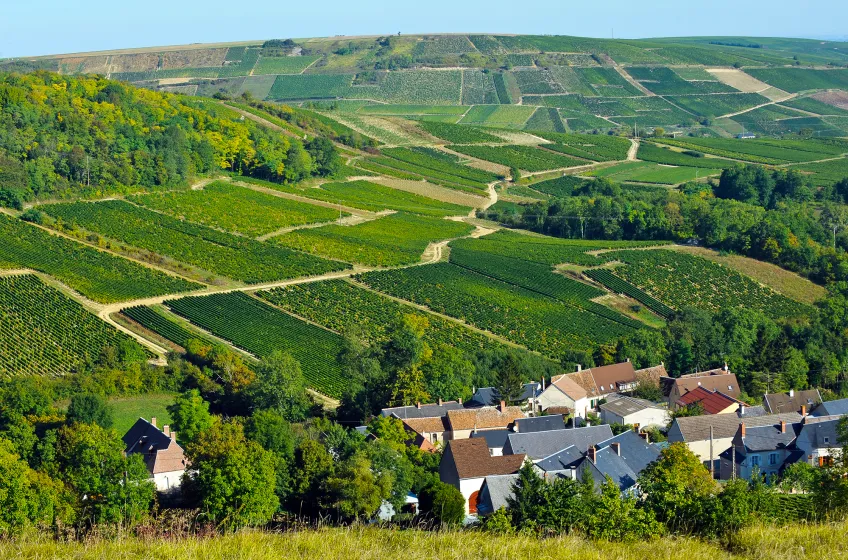
Sancerre is worth visiting for its unrivalled combination of wine, history, and scenery. The town sits high on a rocky promontory, offering panoramic views over the Loire Valley and the surrounding vineyards that produce one of France’s most iconic white wines. Despite its international fame for wine, Sancerre retains the feel of a peaceful, unspoilt village, with narrow winding lanes, slate-roofed houses, and an atmosphere that feels centuries away from city life.
In addition to its viticultural prestige, Sancerre has a rich past, with roots in medieval and even Roman times. Its strategic position made it a stronghold in centuries gone by, and traces of fortifications still remain. Today, visitors come for the wine, of course—but they stay for the food, the views, and the relaxed pace of life that defines the region. Whether you’re doing a wine tour, cycling through the vines, or simply sipping a glass of Sauvignon Blanc in a quiet square, Sancerre delivers an experience that’s both quintessentially French and uniquely its own.
Sancerre Highlights: Things to See and Do in Sancerre
Maison des Sancerre
The Maison des Sancerre is the perfect starting point for any visit. Housed in a beautiful building in the heart of the old town, this interactive museum tells the story of the Sancerre wine region, from geology and grape varieties to winemaking traditions and local terroir. There’s a 4D film experience that takes you “soaring” over the vineyards, as well as a lovely garden with vineyard views. It’s informative, family-friendly, and gives you all the context you need before heading out for tastings.
Sancerre’s Old Town
The medieval core of Sancerre is a delight to explore on foot. With cobbled streets, ancient houses, and leafy squares, the town centre feels wonderfully preserved yet lively. Don’t miss the 16th-century Tour des Fiefs, a remaining tower from the town’s old feudal castle. Climb to the top for an incredible 360-degree view over the surrounding countryside and vineyards—particularly magical at sunset.
Wine Tastings at Local Domaines
Wine is at the heart of Sancerre’s identity, and visiting a few local domaines is essential. Many family-run vineyards welcome visitors for tastings and tours. Recommended spots include Domaine Henri Bourgeois, one of the most established names in the region, and Domaine Vacheron, known for its biodynamic practices and precise, mineral-driven wines. Smaller estates like Domaine Gérard Boulay in Chavignol offer a more intimate, authentic experience. It’s best to call ahead or check websites for opening times.
The Vineyards of Chavignol
Just a few kilometres from Sancerre lies the wine village of Chavignol, home to some of the region’s finest vineyards and another local delicacy—Crottin de Chavignol, a pungent, nutty goat’s cheese with AOP status. Pairing a glass of crisp Sancerre with a slice of this cheese is a regional rite of passage. Wander through the vineyards around Chavignol or stop at a fromagerie to sample different stages of Crottin—from fresh and creamy to aged and firm.
The Loire à Vélo Cycle Route
Sancerre is a fantastic base for cycling, and it connects to the Loire à Vélo, a long-distance bike route that follows the Loire River. You can rent bikes locally and cycle through the vines, stopping at wineries and picnic spots along the way. Routes vary from easy loops to longer stretches toward towns like Pouilly-sur-Loire or Cosne-Cours-sur-Loire. The roads are generally quiet and well signposted, making it ideal for a leisurely countryside ride.
The Belfry of Sancerre
One of the most recognisable structures in town, the Belfry of Sancerre (Beffroi) dates back to the 16th century and sits proudly in the centre of the old town. Though no longer used for defence, it remains a historic symbol of the town’s independence and civic pride. Today, it hosts art exhibitions and seasonal events. It’s a great point of orientation and a picturesque place to pause.
Espace Rabelais
This multipurpose venue often hosts cultural events, concerts, art exhibitions, and local wine fairs. Check the schedule when you're in town—there’s often something going on, especially during the summer and autumn harvest season. It’s also a good place to meet local winemakers and artisans during events.
Weekly Market
Every Saturday morning, Sancerre hosts a lively market in the centre of town. You’ll find seasonal fruit and vegetables, local cheeses, charcuterie, wines, and artisan goods. It’s an excellent opportunity to stock up for a vineyard picnic or just enjoy the buzz of local life. There are also smaller farmers' markets and brocantes (flea markets) in surrounding villages throughout the year.
Walking Trails and Vineyard Hikes
If you prefer walking to cycling, Sancerre doesn’t disappoint. There are several marked trails through the vines, including routes starting from the town itself. One popular loop passes through Chavignol and returns via panoramic viewpoints. Bring good walking shoes and a camera—the light over the vineyards, particularly in late afternoon, is stunning.
Les Caves de la Mignonne
This large underground wine cellar is located just outside the town centre and offers tastings from a range of Sancerre producers. It’s a good option if you’re short on time and want to try several different labels in one place. They also sell regional products and offer shipping options if you fall in love with a particular wine.
Practical Advice for Visitors
Getting There
Sancerre doesn’t have a train station of its own, but it's easily reachable by car and moderately accessible by train. The nearest station is Tracy-Sancerre or Cosne-Cours-sur-Loire, both about 10–15 minutes by taxi or local bus. Trains from Paris to Cosne take around 1.5 to 2 hours. By car, Sancerre is just off the A77 motorway and takes about 2 hours from Paris. Driving is the most convenient option, especially if you plan to explore the vineyards and nearby villages.
Parking
Parking in Sancerre is straightforward and generally free. There are several public car parks around the edge of the town centre, and even during high season, spaces are usually available with a bit of patience. Try the car park near the Maison des Sancerre or below the old town walls for easy access on foot.
Dining
Sancerre has a strong food scene for such a small town. For fine dining, La Tour offers a refined, seasonal menu with wine pairings in an elegant setting. Auberge Joseph Mellot, part of one of the region’s oldest wine families, serves classic regional dishes in a cosy, stone-walled interior. For something more casual, Le Bouchon is a friendly bistro with hearty fare and good local wines. Don’t miss a cheese plate featuring Crottin de Chavignol in all its glorious forms.
Shopping
In addition to wine, the region offers a lovely selection of local products. Cheese shops, wine boutiques, and artisan food stores are dotted throughout the old town. Look for local jams, pâtés, ceramics, and handmade soaps. Fromagerie Dubois-Boulay in Chavignol is the best place to buy Crottin directly from the producers. Wine shops such as Cave Eric Louis or La Cavée also offer tastings and bottle shipping services.
When to Visit
Spring through early autumn is the best time to visit Sancerre. May to September sees warm weather, green vineyards, and the majority of wine domaines open for tastings. September and October, during the grape harvest and early autumn, are particularly special—the vines are golden, the air smells of fermenting grapes, and the atmosphere is festive. Winter is much quieter; while still charming, many tasting rooms close or reduce hours, and some restaurants may have limited service.
Local Events
Sancerre hosts several events throughout the year. The Fête du Vin Nouveau in November celebrates the release of the new vintage with tastings, food, and music. In July, the Festival du Printemps de Bourges Off includes events in Sancerre, while village fêtes, wine fairs, and brocantes add colour during summer months. Smaller wine domaines often host open days or "portes ouvertes" with barrel tastings and tours—keep an eye out for local flyers or ask at the Maison des Sancerre.
Exploring Beyond Sancerre
If you have more time, the surrounding region is full of worthy detours. Pouilly-sur-Loire, just across the river, is home to Pouilly-Fumé wines, offering a smoky, flinty counterpoint to Sancerre's brightness. The two towns are often compared but best enjoyed together. The Loire River itself offers canoeing, riverside walks, and birdwatching.
For history lovers, La Charité-sur-Loire, a UNESCO-listed town with a magnificent priory, is only 30 minutes away. You could also visit Nevers, a small city with a beautiful cathedral and charming historic centre. Bourges, with its gothic cathedral and medieval streets, is an easy 1-hour drive south.
Sancerre may be small in size, but it offers a rich and flavourful experience that far exceeds expectations. Whether you're clinking glasses in a sunlit vineyard, wandering cobbled lanes with a wedge of goat cheese in hand, or gazing out across the Loire Valley from a hilltop terrace, Sancerre will steal a little piece of your heart—and probably tempt you back for more.
Shortlist
- Your Shortlist is empty