
Discover Rye | A Visitor's Introduction to Rye
Recommended places to visit, places to stay and things to do in and around Rye
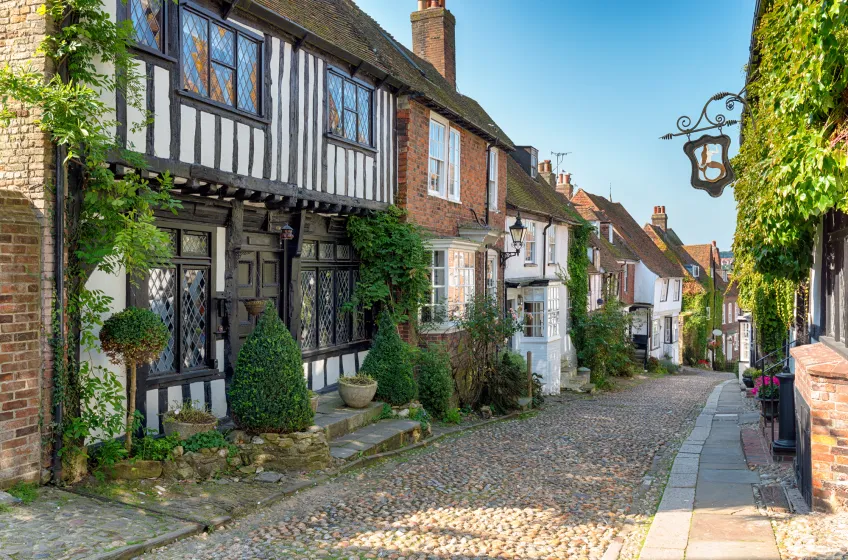
Rye is a beautifully preserved medieval town in East Sussex, perched on a hill overlooking Romney Marsh and the River Rother. Known for its cobbled streets, half-timbered houses, and centuries of history, it feels like stepping back in time. Once an important Cinque Port and later a smugglers’ haven, Rye today is a delightful destination for history lovers, foodies, and those looking for a charming short break. With its ancient inns, independent shops, and stunning views of the surrounding countryside, Rye is one of the most picturesque small towns in England.
Recommended Rye Accommodation: Hotels Bed & Breakfasts Pub Accommodation
Why is Rye Worth a Visit?
Rye is worth visiting because it combines historic atmosphere with a thriving modern cultural scene. The town’s medieval core, with its winding streets and quirky buildings, has barely changed in centuries, yet it’s alive with independent shops, art galleries, cosy cafés, and traditional pubs.
Rye is steeped in history: it was once a key defensive port, with walls, towers, and a castle to prove it. Later, smugglers ruled its cellars and tunnels, and today you can still sense its colourful past in the atmospheric streets. Add to this its literary connections (authors like Henry James and E. F. Benson lived here), its thriving food culture, and its proximity to Camber Sands and Romney Marsh, and Rye becomes a destination with plenty to offer in a small, walkable area.
Rye Highlights: Things to See and Do in Rye
Mermaid Street
Arguably the most photographed street in Rye, Mermaid Street is lined with medieval half-timbered houses and cobbles so uneven they look like they’ve barely changed since the 15th century. Many of the houses have whimsical names such as “The House Opposite” or “The House with Two Front Doors.” It’s especially atmospheric in the early morning or at dusk when it’s quieter.
The Mermaid Inn
On Mermaid Street stands the famous Mermaid Inn, dating back to the 12th century and rebuilt in the 15th. Once a notorious smugglers’ haunt, it is now a historic inn offering food, drink, and accommodation. Inside, low beamed ceilings, creaking floors, and tales of ghosts give it real character. Even if you don’t stay, it’s worth visiting for a drink in the bar to soak up the atmosphere.
Rye Castle (Ypres Tower)
The Ypres Tower, part of Rye Castle, is one of the oldest buildings in the town and dates from the 14th century. It served various roles over the centuries, including a defensive fort, prison, and private home. Today, it’s part of Rye Castle Museum, where you can learn about Rye’s history, smuggling, and defence. The views from the tower over the marsh and river are excellent.
Rye Harbour Nature Reserve
Just outside town, Rye Harbour Nature Reserve is a haven for birdlife, plants, and walkers. Its trails wind through shingle, saltmarsh, and reedbeds, with bird hides along the way. In spring and autumn, it’s especially rewarding for birdwatchers, but it’s peaceful year-round. The recently opened Discovery Centre provides information, a café, and exhibitions.
St Mary’s Church
In the centre of Rye stands St Mary’s Church, dating back to the 12th century. You can climb the church tower for panoramic views across Rye, Romney Marsh, and even to the coast. Inside, the church has a beautiful clock dating from 1561 and fascinating memorials to Rye’s notable residents. The tower climb is one of the best ways to orient yourself to the town.
Lamb House
This Georgian townhouse was once the home of novelist Henry James, and later of E. F. Benson, author of the Mapp and Lucia novels. Managed by the National Trust, Lamb House contains exhibits about James and Benson, as well as a walled garden once much loved by James. Literary fans will especially enjoy the visit, but the house itself is a gem for anyone interested in Rye’s cultural past.
Rye Heritage Centre
For a quirky introduction to the town, head to the Rye Heritage Centre, home to the “Town Model”—a sound and light show that tells Rye’s history using a scale model of the town. It also has a collection of old amusement machines and penny slot machines that are great fun for children and adults alike.
Smugglers’ History
Rye’s smuggling past is everywhere in its stories and landmarks. The town’s cellars, secret passages, and coastal position made it ideal for smugglers in the 18th and 19th centuries. To explore this heritage, visit the Rye Castle Museum, or simply soak up the atmosphere in the old pubs and streets where smugglers once roamed.
Rye Art Galleries and Independent Shops
Rye has a thriving arts scene, with galleries showcasing paintings, photography, and crafts inspired by the town and its landscapes. The Rye Art Gallery is the best known, featuring both local and national artists. Shopping is also a highlight, with independent shops selling antiques, books, vintage clothes, and local crafts. The town is especially good for browsing on a leisurely afternoon.
Camber Sands
Just a few miles from Rye lies Camber Sands, one of the most famous beaches in the south-east. With golden dunes and a vast expanse of sand, it’s perfect for a seaside day out. Popular with families, walkers, and kite-surfers, it’s a dramatic contrast to Rye’s medieval charm.
Practical Advice for Visitors
Getting There
-
By train: Rye has a station on the Marshlink line, with direct trains from Ashford International (20 minutes) and Hastings (20 minutes). From London, take the high-speed train to Ashford and change.
-
By car: Rye is around 2 hours from London via the M20 or A21. Parking is available at several car parks around town, including The Strand Quay and Rye Station.
-
By bus: Local buses connect Rye to Hastings, Folkestone, and Romney Marsh villages.
Parking
The town centre has limited on-street parking, so car parks are the best option. Rye Station Car Park and The Strand Quay Car Park are the most convenient. On busy weekends and festival days, arrive early.
Dining
Rye has an excellent food scene, ranging from historic inns to fine dining. Highlights include:
-
The Mermaid Inn – Atmospheric historic dining.
-
The George in Rye – Stylish hotel with a modern British menu.
-
The Standard Inn – Cosy pub with excellent seasonal food.
-
Knoops – Famous for artisan hot chocolates, with dozens of varieties.
-
Globe Inn Marsh – A short walk away, offering hearty meals in a quirky, rustic setting.
Seafood is a local speciality, with fresh fish and scallops often on menus.
Shopping
Rye is known for its antiques shops, bookshops, and galleries. Strand Quay is particularly good for antiques, while the high street has boutiques and craft shops. Local products such as Romney Marsh wool, handmade ceramics, and artisanal foods make excellent souvenirs.
When to Visit
Rye is beautiful year-round, but your experience will vary:
-
Spring and summer: Lovely for walking, festivals, and enjoying Camber Sands.
-
Autumn: Quieter and atmospheric, especially on misty mornings.
-
Winter: Rye’s narrow streets and cosy pubs make for a magical, festive escape.
Local Events
-
Rye Bay Scallop Week (February): A food festival celebrating local seafood with tastings and special menus.
-
Rye Arts Festival (September): A major cultural event with music, theatre, and exhibitions.
-
Bonfire Night (November): A spectacular Sussex bonfire procession with fireworks and flaming torches.
-
Christmas in Rye: Markets, lights, and festive activities bring a cosy winter charm.
Exploring Beyond Rye
Rye makes a superb base for exploring East Sussex and Kent:
-
Winchelsea: A historic “planned” town nearby, full of history and charm.
-
Camber Sands: Vast sandy beach perfect for families and watersports.
-
Romney Marsh: Flat landscapes, smuggling churches, and wildlife reserves.
-
Hastings: A lively coastal town with a castle, Old Town, and fishing quarter.
-
Bodiam Castle: A romantic moated castle just 30 minutes inland.
Rye is one of England’s most enchanting small towns, where cobbled lanes, medieval inns, and smuggling tales come together with modern cafés, art, and shopping. Whether you come for a weekend of history, a cosy winter escape, or a base to explore the wider coast and countryside, Rye will leave you with the feeling you’ve stepped into another time—without sacrificing comfort and charm.
Would you like me to prepare the next guide on Winchelsea as a natural companion to Rye, since they share the Cinque Ports history?
Shortlist
- Your Shortlist is empty