
Discover Rothesay | A Visitor's Introduction to Rothesay
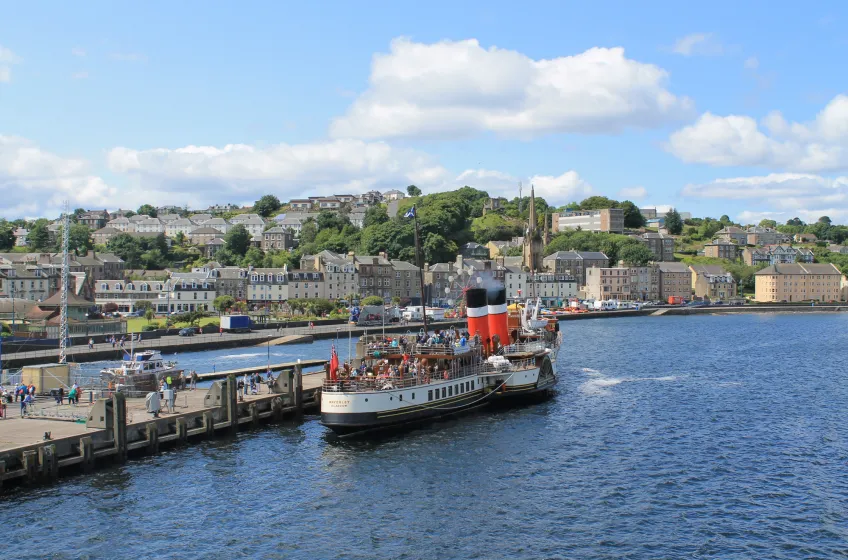
Rothesay, the charming main town on the Isle of Bute, offers a blend of Victorian elegance, rich history, and scenic coastal beauty. Just a short ferry ride from the Scottish mainland, Rothesay is famous for its historic sites, picturesque harbour, and relaxed island atmosphere. The town serves as a welcoming gateway to the Isle of Bute, where visitors can enjoy tranquil beaches, lush gardens, and a slower pace of life. Perfect for history buffs, nature lovers, and those seeking a peaceful getaway, Rothesay is an ideal escape from the bustling cities of Scotland.
Recommended Rothesay Accommodation: Hotels Bed & Breakfasts
Why is Rothesay Worth a Visit?
Rothesay is worth visiting for its scenic waterfront, historic sites, and charming Victorian character. From Rothesay Castle, one of Scotland’s oldest stone castles, to the beautiful gardens of Mount Stuart, the town is rich with unique attractions. Rothesay’s promenade offers stunning views over Rothesay Bay and the Firth of Clyde, while the surrounding island is perfect for exploring beaches, nature trails, and quiet villages. With its close proximity to Glasgow, Rothesay offers a perfect day trip or weekend retreat where visitors can unwind and experience the charm of Scotland’s west coast.
Rothesay Highlights: Things to See and Do in Rothesay
Rothesay Castle
Rothesay Castle is one of Scotland’s most historic fortifications, dating back to the 13th century. Known for its circular design, unique moat, and rich history, the castle has withstood sieges from Norse invaders, Scots, and English forces over the centuries. Visitors can explore the ancient keep, climb the battlements for a view over Rothesay, and walk around the peaceful moat. The castle’s inner chambers and interpretive displays provide insights into the lives of those who lived here, and the site’s grassy surroundings make it a perfect spot for a picnic.
Mount Stuart House and Gardens
Mount Stuart, located just a short drive from Rothesay, is one of Scotland’s most beautiful stately homes and a masterpiece of Gothic Revival architecture. This 19th-century mansion, once home to the Marquesses of Bute, features lavish interiors with intricate woodwork, stained glass, and awe-inspiring rooms. The stunning Marble Chapel, with its vaulted ceiling and pink-hued marble, is particularly captivating. Surrounding the house are extensive gardens, woodlands, and a private beach. Guided tours are available, and the café on-site provides a lovely spot to relax and enjoy the tranquil atmosphere of this exceptional estate.
Rothesay’s Victorian Toilets
One of Rothesay’s most unexpected and quirky attractions is its Victorian Toilets, located by the harbour. Built in the late 19th century, these public toilets are known for their remarkable preservation, featuring original mosaic floors, gleaming porcelain, and decorative tiling. Listed as a historic monument, the Victorian Toilets are open to visitors who want a glimpse into the past (and are a functioning facility as well!). The site is a unique example of Victorian craftsmanship and offers a fun, unusual stop on a stroll through town.
Rothesay Pavilion
Rothesay Pavilion is an iconic 1930s Art Deco building situated on the town’s waterfront. Recently restored to its former glory, the Pavilion now serves as a cultural hub, hosting a variety of events, exhibitions, and live performances. With its stylish design, sea views, and vibrant arts programme, the Pavilion is a must-visit for art lovers and anyone interested in Scotland’s architectural heritage. It’s worth checking the Pavilion’s schedule for events ranging from music and theatre to craft fairs and local art exhibits.
Bute Museum
Located near Rothesay Castle, Bute Museum provides an excellent overview of the island’s history, geology, and wildlife. The museum’s exhibits cover everything from prehistoric artefacts and Viking invasions to the social history of Rothesay. There are also displays on the unique flora and fauna of Bute, with information on local bird species and marine life. The museum’s knowledgeable staff and detailed exhibits make it an ideal starting point for understanding the Isle of Bute’s rich past and natural beauty.
Ettrick Bay
Ettrick Bay, located on the western side of the Isle of Bute, is a stunning sandy beach with views across to the Isle of Arran. This quiet, sheltered bay is perfect for a relaxing beach day, with soft sands and calm waters that are ideal for paddling. A lovely café nearby serves fresh seafood, sandwiches, and homemade treats, making it a perfect place for lunch. There are also walking paths along the shore and picnic tables where you can take in the view. Ettrick Bay’s peaceful setting makes it a favourite spot for both locals and visitors.
St Blane’s Chapel
St Blane’s Chapel, on the southern tip of Bute, is a serene and atmospheric historical site dating back to the 6th century. The chapel ruins are set on a hillside overlooking the surrounding countryside and offer a glimpse into early Christian life in Scotland. Visitors can explore the remains of the chapel and its surrounding graves, which are dotted with ancient carved stones. The peaceful setting and panoramic views over the Firth of Clyde make St Blane’s Chapel an enchanting and contemplative destination.
Ascog Hall Gardens and Fernery
Ascog Hall Gardens and Fernery is a hidden gem located just a few miles from Rothesay. These beautifully landscaped gardens are known for their exotic plants and Victorian-era fernery, which is one of the last of its kind in Scotland. The fernery is home to a wide variety of rare and ancient ferns, while the surrounding gardens feature colourful flower beds, ponds, and walking paths. Ascog Hall is perfect for garden enthusiasts or anyone looking to experience a peaceful retreat amid lush greenery.
Scalpsie Bay
Scalpsie Bay, on Bute’s southwest coast, is a rugged beach with a resident population of seals that can often be seen lounging on the rocks. The beach is surrounded by rolling farmland and offers stunning views over to the Isle of Arran. Scalpsie Bay’s remote and tranquil location makes it an ideal spot for a scenic walk, wildlife spotting, and photography. The short walk down to the beach is well worth it for the chance to see seals in their natural habitat and enjoy the serene coastal scenery.
Walking and Cycling Trails
The Isle of Bute has a number of scenic walking and cycling trails that allow visitors to explore the island’s natural beauty at their own pace. From the gentle circular walks around Rothesay to more challenging trails along the coast, there are routes to suit all levels. The West Island Way is a popular long-distance route that stretches across Bute, offering breathtaking views and access to remote beaches and woodlands. Bikes are available for hire in Rothesay, making it easy to explore the island on two wheels.
Practical Advice for Visitors
Getting There
Rothesay is easily accessible from Glasgow by train and ferry. Regular train services run from Glasgow to Wemyss Bay, where passengers can take a short ferry ride across the Firth of Clyde to Rothesay. The ferry crossing takes around 35 minutes and offers scenic views of the coast. For those travelling by car, ferries can accommodate vehicles, and the drive from Glasgow to Wemyss Bay takes just over an hour. Once on Bute, there are bus services around the island, and Rothesay itself is easy to explore on foot.
Parking
Parking is generally available in Rothesay, with public car parks located near the town centre, harbour, and at major attractions like Mount Stuart and Ettrick Bay. Street parking is also available, though it can be limited during peak times, especially in summer. The main car parks are conveniently located for walking around Rothesay, making it easy to access the town’s highlights on foot.
Dining
Rothesay has a selection of dining options, from traditional Scottish pubs to quaint cafés and seafood restaurants. Harry Haw’s, located in the heart of Rothesay, offers classic Scottish dishes and locally sourced seafood. The Ettrick Bay Tearoom is popular for its homemade cakes, seafood platters, and views over Ettrick Bay. For a quick snack or coffee, visit The Coffee Stop on Montague Street, where you’ll find freshly baked treats and a welcoming atmosphere.
Shopping
Rothesay’s town centre is home to several independent shops and local craft stores where you can find unique gifts and souvenirs. The Isle of Bute is known for its locally produced woollens, tartans, and artisan products. Rothesay also has small markets where you can pick up local produce, Bute-branded products, and handmade crafts. For those interested in history, some shops sell books on the area’s history and maps for local walks.
When to Visit
Rothesay is a lovely destination year-round, though summer (June to August) is the most popular season due to warmer weather and longer days. Spring (March to May) brings blooming flowers and is ideal for garden visits, while autumn (September to November) offers beautiful colours and fewer crowds. Winter (December to February) is quieter, but Rothesay’s festive decorations and cosy atmosphere make it an inviting winter escape, especially for those interested in peaceful beach walks and time indoors by the fire.
Local Events
Rothesay hosts a number of events throughout the year that celebrate local culture and heritage. ButeFest, held in July, is a family-friendly music festival featuring live bands, food stalls, and craft vendors. In August, the town celebrates the Bute Highland Games, complete with traditional Highland sports, dancing, and piping competitions. Rothesay also participates in the annual Doors Open Days in September, giving visitors access to some of the island’s historic buildings and sites.
Exploring Beyond Rothesay
Rothesay is a fantastic base for exploring the rest of the Isle of Bute, with highlights including Mount Stuart, Scalpsie Bay, and St Blane’s Chapel. For a scenic day trip, you can take a ferry to the nearby Cowal Peninsula or the Isle of Arran, both of which offer beautiful landscapes, walking trails, and additional sites of interest.
Shortlist
- Your Shortlist is empty