
A Visitor's Introduction to Roquebrune-Cap-Martin
Recommended places to visit, places to stay and things to do in and around Roquebrune-Cap-Martin
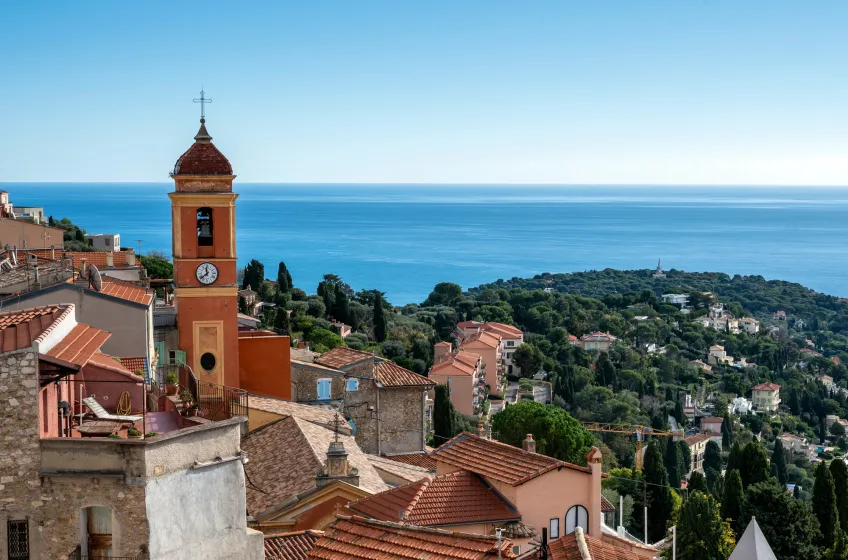
Roquebrune-Cap-Martin is a stunning blend of medieval heritage, Riviera glamour, and Mediterranean landscapes, located between Monaco and Menton on the French Riviera. This commune, spread across hilltops and coastline, offers a unique combination of old-world charm and seaside sophistication. With its perched medieval village, Belle Époque villas, spectacular sea views, and shaded walking trails, Roquebrune-Cap-Martin is perfect for travellers seeking tranquillity, history, and natural beauty—all with the elegance of the Côte d’Azur.
Recommended Roquebrune-Cap-Martin Accommodation: Hotels
Why is Roquebrune-Cap-Martin Worth a Visit?
Roquebrune-Cap-Martin is worth visiting for its rare combination of cliffside village, preserved coastline, and historical intrigue. The medieval hilltop village—one of the oldest in the region—boasts winding lanes, stone houses, and a stunning 10th-century castle with panoramic views. Down on the coast, Belle Époque villas line the Cap Martin peninsula, while hidden beaches and pine-scented walking trails provide peaceful escapes from the busier Riviera spots nearby.
The commune has long been a magnet for writers, artists, and aristocrats. Coco Chanel, Le Corbusier, and Winston Churchill all spent time here, captivated by the area’s light, climate, and relaxed elegance. Today, Roquebrune-Cap-Martin remains under the radar, offering the Riviera at its most authentic and scenic.
Whether you're looking for a medieval adventure, a coastal hike, or a quiet spot to unwind by the sea, Roquebrune-Cap-Martin is a serene, sophisticated escape just minutes from Monaco.
Roquebrune-Cap-Martin Highlights: Things to See and Do in Roquebrune-Cap-Martin
Roquebrune Medieval Village
Perched dramatically on a hill overlooking the sea, the Roquebrune village is a captivating medieval gem. Its narrow, arched passageways, staircases, and stone houses feel untouched by time. There are no big attractions here—just the joy of exploring at your own pace, discovering little squares, flower-filled windows, and art studios tucked into ancient buildings.
Don’t miss the panoramic viewpoints, especially at Place des Deux Frères, where you’ll enjoy sweeping vistas over Cap Martin, Monaco, and the Mediterranean. The atmosphere is peaceful and authentic—perfect for a lazy afternoon or an atmospheric evening meal.
Château de Roquebrune
At the top of the village sits the Château de Roquebrune, a fortified castle dating back to the 10th century, originally built by the Counts of Ventimiglia. It’s one of the oldest feudal castles in France and offers insight into the region’s early medieval history.
Visitors can climb the towers and walk the ramparts, which provide jaw-dropping views of the coast, Cap Martin, and Monaco. There are also small exhibits inside on the castle’s construction and the town’s past. It’s a bit of a climb to reach, but well worth it.
Le Sentier des Douaniers (Customs Path)
One of the most beautiful coastal walks on the Riviera, the Sentier des Douaniers (also known as the Promenade Le Corbusier) winds its way around the rocky Cap Martin peninsula. Starting near Plage du Buse, the path follows the shoreline through pine trees and past dramatic cliffs, with uninterrupted views over the sea and Monaco.
It’s a relatively easy and flat walk, about 3 km long, suitable for all ages. Along the way, you’ll see hidden coves, beautiful villas, and spots where Le Corbusier used to swim and sketch. The walk is especially magical at sunrise or just before sunset.
Cabanon Le Corbusier
The famed Swiss-French architect Le Corbusier built a minimalist seaside cabin on Cap Martin in the 1950s, where he would retreat to paint, write, and swim. This small wooden structure, known as the Cabanon, is a UNESCO-listed site and an icon of modernist architecture.
Though visits must be arranged by guided tour through the Cap Moderne programme, it’s a fascinating glimpse into Le Corbusier’s life and vision. The tour also includes the Villa E-1027, an influential modernist villa designed by Eileen Gray, another architectural pioneer.
Plage du Buse
A hidden gem among Riviera beaches, Plage du Buse is a pebbled, relatively quiet beach nestled beneath the cliffs of Cap Martin. With clear water, a peaceful atmosphere, and fewer tourists than more famous beaches, it’s ideal for swimming and relaxing.
It’s accessed by foot via a steep staircase or the walking path, so it's less crowded—perfect if you're seeking a more secluded spot. Bring water and supplies, as facilities are minimal.
Cap Martin Peninsula
The Cap Martin headland itself is a beautiful natural area with coastal views, pine forests, and luxurious properties discreetly hidden from view. It’s also home to some of the most elegant Belle Époque and modernist villas in the region, including Villa Cyrnos, once owned by Empress Eugénie, widow of Napoleon III.
While most villas are private, the scenic walk around the cape offers glimpses of them and a real sense of the area's elite past.
L’Olivier Millénaire (The Thousand-Year-Old Olive Tree)
Just outside the medieval village lies a remarkable olive tree believed to be over 1,000 years old. L’Olivier Millénaire is one of the oldest trees in France and a symbol of longevity and resilience. It sits quietly in a small garden, surrounded by olive groves and low stone walls—a peaceful place to reflect or take photos.
Saint-Martin-Saint-Laurent Church
This historic church at the heart of the old village dates back to the 11th century and features baroque frescoes, a striking altarpiece, and a peaceful atmosphere. It’s not large, but it gives a sense of the town’s deep spiritual and cultural roots. Look out for concerts and classical performances held here in the summer months.
Practical Advice for Visitors
Getting There
Roquebrune-Cap-Martin is well connected by public transport:
-
By train: The town has several train stations, including Roquebrune-Cap-Martin, Carnolès, and Cap Martin Roquebrune, all on the main Nice–Ventimiglia line. Trains from Nice take about 30 minutes, and from Monaco, just 5–10 minutes.
-
By car: Easily reached via the A8 motorway or coastal roads, though parking in the village is limited. Best to park in Carnolès or near the beach and walk.
-
By bus: Local buses (including Ligne 100 from Nice to Menton) pass through Carnolès and near the coast, but not all go up to the old village.
Parking
Parking is limited in the medieval village, but you’ll find car parks:
-
Parking des Deux Frères: Near the village entrance, with access to the castle.
-
Cap Martin Parking: Near the coastal path and beach access.
-
Station parking: Available near the train stations and around Carnolès.
In peak season, parking fills quickly, so plan to arrive early if driving.
Dining
Roquebrune-Cap-Martin offers excellent dining, especially in the old village and near the coast:
-
Les Deux Frères: A refined restaurant perched on the edge of the medieval village, offering gourmet French cuisine with panoramic views.
-
La Grotte & L'Olivier: Cosy, rustic-style eatery in the village with local dishes and plenty of charm.
-
Le Fellini: A popular Italian spot in Carnolès, perfect for pizzas and pasta with a Riviera twist.
-
Le Piccadilly: Family-friendly brasserie close to the beach, great for relaxed meals after a swim.
Many restaurants feature Menton lemons, local olive oil, and fresh Mediterranean seafood.
Shopping
Roquebrune-Cap-Martin has a handful of artisan shops, particularly in the old village, selling ceramics, artwork, and handmade goods. For more substantial shopping, head to Carnolès, which has bakeries, grocery stores, boutiques, and weekly markets.
A Provençal market takes place in Carnolès on Wednesdays and Saturdays, offering fresh produce, cheese, olives, and textiles.
When to Visit
Roquebrune-Cap-Martin is beautiful year-round, but the best times to visit are:
-
Spring (April–June): Flowers in bloom, perfect hiking weather, fewer crowds.
-
Autumn (September–October): Warm sea, golden light, and pleasant temperatures.
-
Summer (July–August): Ideal for beachgoers, though hotter and more crowded, especially near the water.
-
Winter (December–February): Quiet and mild, good for walking and exploring without crowds.
The old village is especially atmospheric in cooler seasons, while the coastal paths shine in spring and autumn.
Local Events
-
Roquebrune Music Festival (July): Open-air concerts in the medieval village, with a mix of classical and contemporary music.
-
Heritage Days (Journées du Patrimoine) (September): Offers free or discounted access to the château, chapel, and guided tours.
-
Christmas Market and Nativity Scenes: A charming seasonal display in the old village, with local crafts and festive treats.
Exploring Beyond Roquebrune-Cap-Martin
Thanks to its central location, the town is ideal for exploring nearby gems:
-
Monaco (5–10 minutes): Visit the Prince’s Palace, Monte-Carlo Casino, and gardens.
-
Menton (10 minutes): For gardens, citrus heritage, and its lively old town.
-
Èze Village (20 minutes): A medieval clifftop village with stunning views and the Exotic Garden.
-
Ventimiglia (20 minutes): Just across the border, great for Italian food and its Friday market.
-
La Turbie (20 minutes): Overlooking Monaco, home to the Roman Trophy of Augustus and lovely countryside walks.
Final Thoughts
Roquebrune-Cap-Martin is a destination of contrasts—ancient and modern, coastal and mountainous, peaceful yet close to the glamour of Monaco. It invites visitors to slow down and savour its beauty, whether through a lazy afternoon on the beach, a walk along the cliffs, or a sunset dinner in the medieval village.
For travellers seeking authenticity, scenic splendour, and cultural richness, Roquebrune-Cap-Martin is a quiet Riviera treasure that offers a truly memorable escape.
Shortlist
- Your Shortlist is empty