
A Visitor's Introduction to Robert Burns House
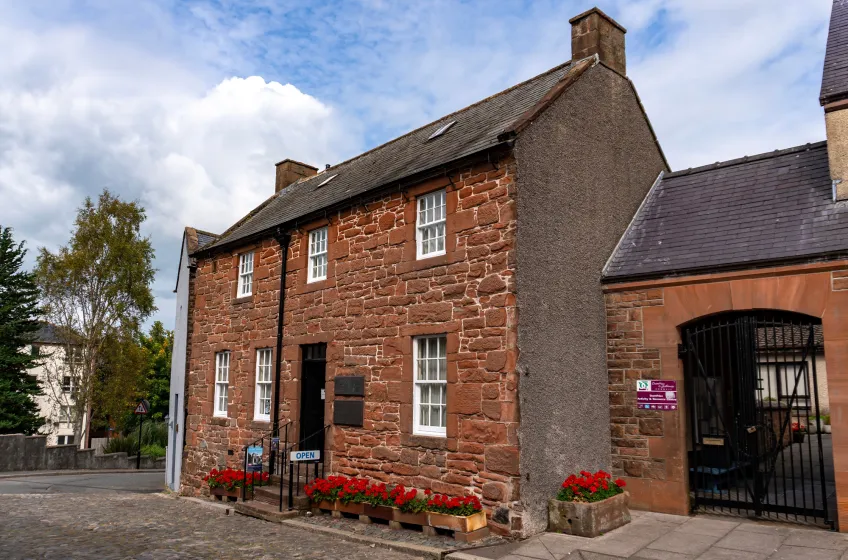
The Robert Burns House, located in Dumfries, Scotland, is a preserved historic building that was once the home of Scotland’s national poet, Robert Burns. Situated on Burns Street near the town centre, the house is a key destination for literary enthusiasts, cultural historians, and visitors exploring the legacy of one of Scotland’s most celebrated figures. Burns lived in the house from 1793 until his death in 1796, during which time he wrote some of his most famous works. Today, the house functions as a small museum and literary site, offering visitors a chance to explore the final years of the poet’s life in the setting where he lived and worked.
Managed by Dumfries and Galloway Council, the Robert Burns House has been carefully maintained to reflect the period in which Burns lived there. Many of the rooms are furnished in late 18th-century style, and several of the poet’s original manuscripts and personal belongings are on display. The site is not only a place of literary interest but also a place of historical significance, drawing visitors from across the world who wish to better understand the personal life and cultural impact of Robert Burns.
Recommended Dumfries accommodation: Hotels Bed & Breakfasts Pub Accommodation
Pre-book Dumfries & Galloway Attractions, Tours & Experiences
Why Is Robert Burns House Worth a Visit?
The Robert Burns House offers visitors a unique opportunity to step into the domestic environment of Scotland’s best-known poet and to reflect on the legacy of a writer whose influence extends well beyond the boundaries of Scottish literature. While there are numerous sites across Scotland associated with Burns, including his birthplace in Alloway and the Robert Burns Birthplace Museum, the Dumfries house is particularly poignant because it was his final residence.
Visitors can walk through the very rooms where Burns lived with his wife Jean Armour and their children, read his letters and manuscripts in his own hand, and gain insight into the conditions under which he worked during his later years. The house also presents a more human and personal view of Burns, contrasting with the mythologised image that has developed over the centuries. His time in Dumfries was marked by both literary productivity and declining health, and the exhibits reflect this complexity with sensitivity and historical detail.
The attraction is particularly appealing to those with an interest in literature, Scottish heritage, and 18th-century history. As a small, focused museum, it provides a contemplative atmosphere, allowing time and space to connect with the poet’s life and work. Its central location in Dumfries also makes it accessible as part of a wider itinerary of Burns-related or historical sites in the region.
Robert Burns House Highlights
The Poet’s Bedroom
One of the most evocative rooms in the house is the bedroom where Burns died on 21 July 1796 at the age of 37. The room is sparsely furnished, in keeping with the style of the time, and includes period-appropriate items such as a box bed and a writing desk. A poignant part of the visit, this room often leaves a lasting impression on visitors.
Study and Writing Area
The study space has been arranged to reflect Burns’ working conditions in his later years. Original manuscripts, letters, and notes are displayed in glass cases, offering insight into his writing process. A number of these items are on loan from national collections, and the displays are rotated periodically to preserve the delicate materials.
Family Living Quarters
The family areas include a parlour and kitchen space, both furnished to reflect the late 18th-century domestic life. While the original furniture is no longer present, efforts have been made to replicate the furnishings using historical records and examples from the period. These rooms help convey the modest lifestyle of the Burns family during their time in Dumfries.
Jean Armour’s Presence
Jean Armour, Burns’ widow, continued to live in the house after his death for a short time. Her presence is acknowledged through various exhibits and information panels, which explore her role in preserving her husband's literary reputation and caring for their children.
Literary Exhibits and Artefacts
In addition to Burns’ own manuscripts, the house features a range of printed editions of his work, early biographies, and contemporary responses to his poetry. Visitors can see annotated copies of his books, personal letters, and accounts that offer context about his reception during and after his lifetime.
Interpretation Panels and Contextual Displays
The museum includes clear and well-researched interpretation panels that provide biographical context, discuss the social and political climate of Burns' time, and examine his views on issues such as class, religion, and Scottish identity. These displays help to situate his work within a broader cultural and historical framework.
Memorial Window
A stained glass window, installed in the 1930s, serves as a decorative tribute to the poet and enhances the contemplative atmosphere of the house. Though not original to the house, it adds a symbolic element to the experience of visiting the site.
Visiting Writers’ Book
The Robert Burns House maintains a visitors’ book that includes signatures and notes from prominent writers, political figures, and international guests who have paid tribute to Burns by visiting the house. This record is a quiet testament to his enduring global legacy.
On-site Staff and Guided Information
Although the house is largely self-guided, knowledgeable staff are present to answer questions and provide context. Some tours may be available on request, particularly for educational groups or pre-booked visits, enhancing the interpretative experience.
Burns Mausoleum Nearby
Although not within the house itself, the nearby Burns Mausoleum in St Michael’s Churchyard is closely linked to the experience. The poet was buried initially in a modest grave, but later interred in a grand mausoleum that stands as a tribute to his lasting fame.
Facilities
The Robert Burns House is a relatively small attraction and, as such, does not have extensive facilities on-site. There is no café or gift shop inside the building, though visitors can find both nearby in the Dumfries town centre. The house does, however, provide essential visitor amenities including accessible toilets and limited seating for those who may need to rest during their visit.
Due to the historical nature of the building, accessibility is limited, particularly to the upper floors. Efforts have been made to accommodate visitors with mobility issues, and staff are available to provide assistance where possible. Information panels are available in multiple languages, and a printed guide can be obtained at the entrance.
Photography is not permitted in all areas due to the fragility of some exhibits, and visitors are advised to check with staff before taking pictures. The atmosphere of the house encourages quiet reflection, making it a peaceful and thoughtful experience rather than a family attraction in the traditional sense.
Nearby Attractions
The Robert Burns House is located in central Dumfries, a town with a number of other historical and cultural attractions within walking distance or a short drive. These additional sites help to contextualise Burns’ life and the region in which he lived and worked.
Burns Mausoleum
Located in St Michael’s Churchyard just a short walk from the house, the Burns Mausoleum is the poet’s final resting place. Commissioned after his death by admirers, it remains a place of pilgrimage for fans and scholars alike.
Robert Burns Centre
Situated by the River Nith, this centre includes a small exhibition space, a local history archive, and an independent cinema. It explores Burns’ time in Dumfries in more depth and complements the experience of visiting the house.
Dumfries Museum and Camera Obscura
Located in a former windmill tower, this museum offers exhibitions on the history and archaeology of Dumfries and the surrounding area. The camera obscura at the top of the tower provides panoramic views of the town and countryside.
Dock Park and River Walks
For those looking to combine literary history with outdoor exploration, Dumfries offers attractive riverside paths and public parks. Dock Park, located beside the River Nith, is a pleasant spot for walking or picnicking.
Gracefield Arts Centre
This gallery and creative space offers rotating exhibitions of contemporary art, as well as workshops and classes. It provides an interesting contrast to the historic focus of the Burns House.
Practical Advice for Visitors
The Robert Burns House is open year-round, although hours may vary by season. Admission is free, but donations are welcomed and help support the preservation of the building and its collections. Visitors are encouraged to check the official Dumfries and Galloway Council website or contact the site directly for the most current opening times and any special closures or events.
The house is located within walking distance of Dumfries railway station and is easily accessible by public transport. On-street parking is available nearby, though it can be limited during peak times. The central location also makes it possible to explore other parts of the town on foot.
As the house is a relatively small venue, visits typically last between 30 minutes and one hour, depending on the level of engagement with the exhibits. Those with a particular interest in Burns may wish to plan additional time to visit the Burns Mausoleum and Robert Burns Centre as part of a half-day itinerary.
Given the historic nature of the building, it can be cool inside, particularly in winter months, so visitors should dress appropriately. Children are welcome, but the museum is best suited for older children who have some context for understanding the exhibits.
Visitors may also wish to combine their trip with Burns Night events in January or other local festivals that celebrate Scottish culture and heritage. Dumfries has a vibrant events calendar, and Burns-related programming often features prominently.
In summary, the Robert Burns House in Dumfries is a meaningful destination for anyone interested in Scottish literature, history, and cultural heritage. It offers a quiet, authentic glimpse into the final chapter of Robert Burns’ life and remains one of the key sites associated with the national bard.
Shortlist
- Your Shortlist is empty