
Discover Redcar | A Visitor's Introduction to Redcar
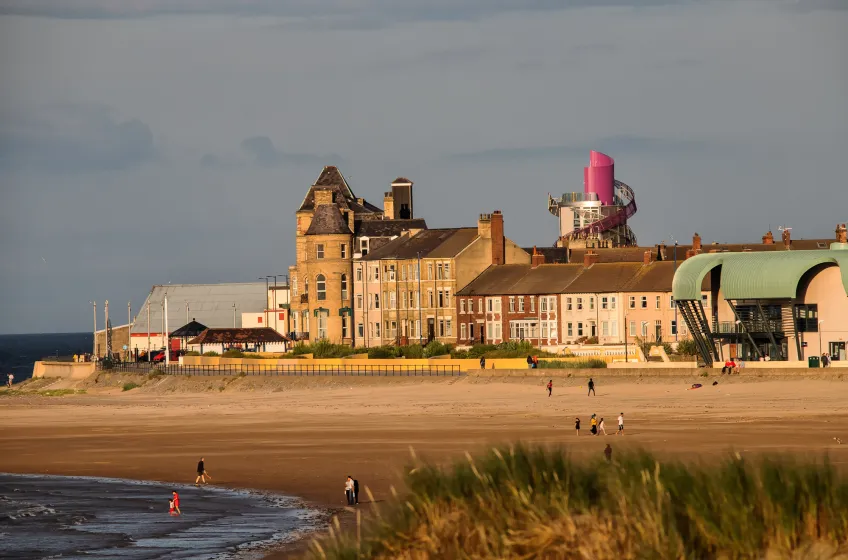
Redcar is a traditional seaside town on the North Yorkshire coast, perched on the edge of the North Sea with sweeping sands and a deep-rooted connection to both fishing and steelmaking. Known for its family-friendly beach, charming seafront promenade, and colourful beach huts, Redcar offers a classic British coastal experience with a no-fuss, nostalgic charm. With its mixture of seaside amusements, local history, and access to wild, windswept nature, Redcar is perfect for families, walkers, and anyone wanting a relaxed break by the sea. It’s also a key stop on the Cleveland Way National Trail and part of the Tees Valley’s evolving visitor scene.
Recommended Redcar Accommodation: Hotels Bed & Breakfasts Pub Accommodation
Why is Redcar Worth a Visit?
Redcar is worth visiting for its golden beach, old-school charm, and its location at the heart of Teesside’s coastal heritage. It has long been a favourite holiday spot for residents of the North East, thanks to its wide, sandy shores, donkey rides, and fish and chip shops. While the traditional seaside experience is a major draw, Redcar is also undergoing regeneration, blending its industrial roots with cultural growth and community pride.
You’ll find modern attractions such as the vertical viewing platform of the Redcar Beacon, alongside historic sites like the Zetland Lifeboat Museum. The seafront is ideal for long walks, ice creams, and watching the tide roll in, and just beyond the town are dramatic cliffs and headlands offering spectacular views. Whether you’re looking for a day trip, a base for coastal walks, or a slice of nostalgic seaside fun, Redcar ticks the box.
Redcar Highlights: Things to See and Do in Redcar
Redcar Beach
The town’s biggest natural draw is its long, sandy beach, stretching for miles along the North Sea coast. It’s ideal for families, dog walkers, and paddlers, with clean sands and traditional amusements lining the promenade. At low tide, you can explore rock pools at the southern end, while the northern beach offers uninterrupted views towards South Gare. Lifeguards are on duty in summer, and it’s a great spot for a bucket-and-spade day or a refreshing walk.
Redcar Beacon
Standing 80 feet tall, the Redcar Beacon (formerly known as the Vertical Pier) is a modern landmark on the seafront with a spiral walkway offering panoramic views over the town, the beach, and the North Sea. Entry is free, and it’s a great way to get your bearings or snap some stunning coastal photographs. At the top, you'll find a small café and viewing deck – best visited on a clear day.
Zetland Lifeboat Museum
This small but fascinating museum is home to the Zetland Lifeboat – the oldest surviving lifeboat in the world, built in 1802. It's located right on the seafront in a Grade II listed boathouse and tells the story of Redcar’s maritime bravery and lifesaving legacy. Volunteers provide insightful tours, and the exhibits include nautical memorabilia, models, and real-life rescue accounts.
Kirkleatham Museum and Grounds
Just a short drive or pleasant cycle from the town centre, Kirkleatham is a historic village that’s now part of Redcar. The museum, housed in a beautiful 18th-century building, covers local history, industry, and culture with family-friendly exhibits. The surrounding grounds include a lovely woodland walk, a children's play area, a café, and the Sir William Turner’s Almshouses. Seasonal events such as Christmas markets and outdoor theatre are also held here.
Locke Park
A hidden gem for families and dog walkers, Locke Park offers open green space with a lake, bandstand, flower gardens, and a café. The park often hosts summer events and is a great place for a picnic or a peaceful escape from the bustle of the promenade. The Victorian fountain and war memorial add to its historic charm.
South Gare
At the mouth of the River Tees, South Gare is an intriguing landscape of sand dunes, breakwaters, and industrial views. It’s a favourite with birdwatchers, photographers, and those looking for a wild, windswept walk. You’ll see the remains of Redcar’s steelworks looming in the distance, contrasting with the natural beauty of the coastline. The area is also popular with anglers and kite surfers.
Redcar Racecourse
Horse racing has been a part of Redcar’s life since the 18th century, and the town’s racecourse still holds regular flat racing meets from spring through autumn. It's a lively day out, whether you’re a seasoned punter or just there for the atmosphere. Family fun days and themed events add to the appeal.
Palace Hub
Located on the Esplanade, Palace Hub is a creative centre supporting local artists and makers. It includes exhibition space, studios, and a gallery shop where you can browse or buy locally produced artworks and crafts. It’s a great way to experience Redcar’s growing cultural scene and support local talent.
Cleveland Way Coastal Path
Redcar is a great point to connect with the Cleveland Way National Trail, particularly the coastal section running south towards Saltburn-by-the-Sea and beyond. The route offers jaw-dropping clifftop views, dramatic geology, and glimpses of seabirds and seals. Even a short walk along the trail offers invigorating sea air and spectacular vistas.
Practical Advice for Visitors
Getting There
Redcar is easy to reach by both road and rail. It lies just off the A174 and A66, linking it to Middlesbrough, Saltburn, and Whitby. Trains from Middlesbrough take around 15 minutes, with regular services stopping at Redcar Central and Redcar East stations. For drivers, parking is plentiful and well-signposted, especially along the seafront.
Parking
There are several car parks along Redcar’s seafront, including Majuba Road, Turner Street, and the Kirkleatham Museum area. Most operate on a pay-and-display basis, with some offering free parking after certain hours or during the off-season. On busy summer days, it’s worth arriving early to secure a space near the beach.
Dining
Redcar’s dining scene is anchored in traditional seaside fare. Pacitto’s is legendary for its lemon top ice creams — a local delicacy of vanilla soft serve topped with tangy lemon sorbet. For fish and chips, Oliver’s and Seabreeze are top picks. There are also cosy cafés along the Esplanade, including The Glasshouse, and a growing number of independent spots serving coffee, pizza, and vegan-friendly options. For a sit-down dinner, Armando’s Italian and Cacau Brazilian Grill add international flavours to the town.
Shopping
While Redcar isn’t known for high-end retail, its high street includes a mix of familiar names and independent shops. There’s a market on Wednesdays and Saturdays offering everything from fresh produce to crafts. The Palace Hub also sells unique handmade gifts and artwork. Kirkleatham Museum's gift shop stocks local books and artisan items, perfect for souvenirs.
When to Visit
Summer is the ideal time to visit Redcar, especially for beach activities, racing, and events. Spring and autumn are quieter and pleasant for coastal walking, while winter offers bracing sea air and fewer crowds — ideal if you enjoy solitude and off-season beauty. Redcar is also particularly photogenic in early morning or late afternoon light.
Local Events
Redcar hosts a variety of local events throughout the year, including Redcar Races, seaside festivals, and heritage days. The annual Redcar Sprint Triathlon draws athletes and spectators, while Christmas in Redcar sees the seafront come alive with lights and festive cheer. In summer, the Redcar Kite Festival and classic car shows are family favourites.
Exploring Beyond Redcar
Redcar’s location makes it a great base for exploring the Tees Valley and North Yorkshire coast. Saltburn-by-the-Sea, with its Victorian pier, cliff tramway, and surf schools, is just a 10-minute drive or train ride away. Further south, you’ll find Staithes and Whitby, both full of coastal charm and literary links. Inland, the North York Moors National Park offers dramatic heather moorland, steam train rides from Grosmont, and scenic walking trails. Middlesbrough is nearby for museums and shopping, and the industrial remains at South Bank and Teesworks offer fascinating glimpses into the region's past.
Shortlist
- Your Shortlist is empty