
Discover Quimperlé | A Visitor's Introduction to Quimperlé
Get independent advice and recommendations for places to stay and things to do in Quimperlé
Quimperlé is a charming town in the Finistère department of Brittany, France, where history, culture, and natural beauty blend seamlessly. Nestled at the meeting point of the rivers Isole and Ellé, which merge to form the Laïta, Quimperlé offers visitors picturesque riverfront views, medieval streets, and a warm Breton welcome. Its unique mix of upper and lower town areas, historic landmarks, and proximity to Brittany’s beautiful coastline make it a delightful destination for travellers seeking an authentic Breton experience.
Recommended Quimperlé Accommodation: Hotels Bed & Breakfasts
Why is Quimperlé Worth a Visit?
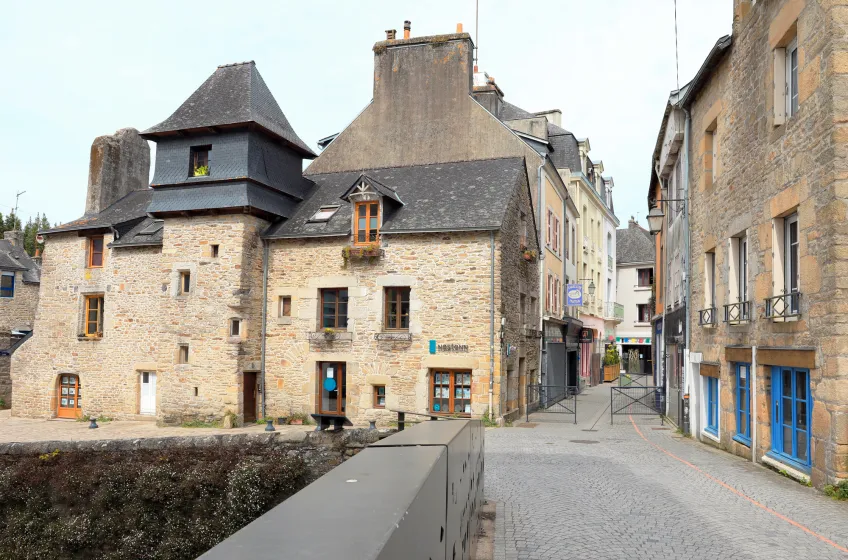
Quimperlé is worth visiting for its rich history, enchanting old town, and riverside charm. The town’s medieval lower quarter is filled with cobbled streets, half-timbered houses, and ancient religious sites, while the upper town offers vibrant markets and bustling shops. Quimperlé’s strategic location near the Morbihan border and scenic coastal paths makes it an excellent base for exploring the surrounding countryside, beaches, and villages. Whether you’re strolling along the riverbanks, discovering historical treasures, or sampling local delicacies, Quimperlé offers a captivating glimpse into Brittany’s heritage and culture.
Quimperlé Highlights: Things to See and Do in Quimperlé
Abbey Sainte-Croix
One of Quimperlé’s most iconic landmarks, the Abbey Sainte-Croix is a magnificent Romanesque church dating back to the 11th century. Its unique circular design is inspired by the Church of the Holy Sepulchre in Jerusalem. Inside, admire the intricate stone carvings, stained glass windows, and the ancient crypt where abbots are buried.
Old Town (Lower Quarter)
The medieval heart of Quimperlé is the lower town, known for its cobbled streets, half-timbered houses, and charming riverside setting. Wander through Rue Dom Morice to admire its historic architecture and stop by quaint shops selling local crafts and goods. The peaceful atmosphere and timeless beauty make it perfect for a leisurely stroll.
Pont Fleuri (Flower Bridge)
The Pont Fleuri, or Flower Bridge, spans the Laïta River and connects Quimperlé’s upper and lower towns. This picturesque spot is adorned with vibrant flowers in the spring and summer, making it a favourite for photographs and a tranquil place to enjoy the view.
Maison des Archers
The Maison des Archers is a beautifully preserved 16th-century half-timbered house that now serves as a heritage site and exhibition space. Its architecture showcases traditional Breton building styles, and it’s an excellent stop for history enthusiasts.
Saint-Michel Church
Located in the upper town, Saint-Michel Church is another significant religious site in Quimperlé. The church boasts impressive Gothic architecture and a bell tower that offers panoramic views of the town and surrounding countryside.
Riverside Walks
The meeting of the Isole and Ellé rivers creates a serene and picturesque environment. The riverside paths are ideal for walking, cycling, or simply relaxing while taking in the beauty of the waterways and surrounding greenery.
Local Markets
Quimperlé’s markets are a lively showcase of Breton culture. The weekly market, held every Friday in the upper town, features fresh produce, seafood, cheeses, and artisan goods. It’s a fantastic opportunity to sample local flavours and pick up unique souvenirs.
Beaches of the Laïta Estuary
A short drive from Quimperlé, the Laïta Estuary opens into the Atlantic Ocean, where you’ll find beautiful sandy beaches. Plage de Bellangenet and Plage de Kerfany-les-Pins are favourites for swimming, picnicking, and enjoying the sea breeze.
Domaine de Bois Joubert
For a peaceful escape, visit the Domaine de Bois Joubert, a large park near Quimperlé. This wooded estate is perfect for hiking, birdwatching, and immersing yourself in nature.
Pont-Aven
Just 15 km from Quimperlé, the town of Pont-Aven is known for its artistic heritage, particularly its association with Paul Gauguin and the Pont-Aven School of painters. Visit the Musée de Pont-Aven, explore its galleries, and stroll along its picturesque riverside.
Scenic Drives and Cycling
Quimperlé is surrounded by scenic countryside and picturesque villages. Take a drive or cycle through the rolling hills, verdant fields, and charming hamlets of the Cornouaille and Morbihan regions.
Festivals and Events
Quimperlé hosts several cultural events throughout the year, including music festivals, art exhibitions, and traditional Breton celebrations. The Festival Les Rias, held every summer, showcases street performances and theatrical acts across the town.
Local Cuisine
Quimperlé is a gateway to Brittany’s culinary delights. Enjoy crêpes and galettes at a local crêperie, indulge in fresh seafood such as mussels and oysters, and don’t miss the chance to try kouign-amann, a buttery Breton pastry. Wash it all down with a glass of Breton cider or a local beer.
Practical Advice for Visitors
Getting There
- By Air: The nearest airport is Lorient Bretagne Sud Airport, about 25 km (15 miles) from Quimperlé, with flights from Paris and other cities.
- By Train: Quimperlé has its own train station, with regular services connecting it to major cities like Paris (via Rennes) and Brest.
- By Car: Quimperlé is easily accessible via the N165 expressway, making it convenient for those driving from other parts of Brittany.
Getting Around
Quimperlé is compact and easy to explore on foot, especially its lower quarter and riverside areas. For visiting nearby attractions, having a car or renting a bike is recommended.
Dining
In addition to traditional crêperies, Quimperlé boasts restaurants that serve modern takes on Breton cuisine. Le Bistro de la Tour and Le Cabanon are popular choices for their inventive menus and welcoming atmosphere.
When to Visit
- Spring and Summer: The best time to visit for outdoor activities, festivals, and enjoying the riverside in full bloom.
- Autumn: A quieter time with beautiful foliage and mild weather, ideal for exploring the countryside.
- Winter: Offers a peaceful charm, perfect for cosy dining and experiencing local life without crowds.
Local Tips
- Visit early in the day to enjoy the markets and explore the town before it gets busier.
- Bring comfortable walking shoes for navigating cobbled streets and riverside paths.
- If visiting in summer, plan a day trip to nearby coastal villages and beaches to soak up the sun.
Shortlist
- Your Shortlist is empty