
Petworth House | A Visitor's Introduction to Petworth House
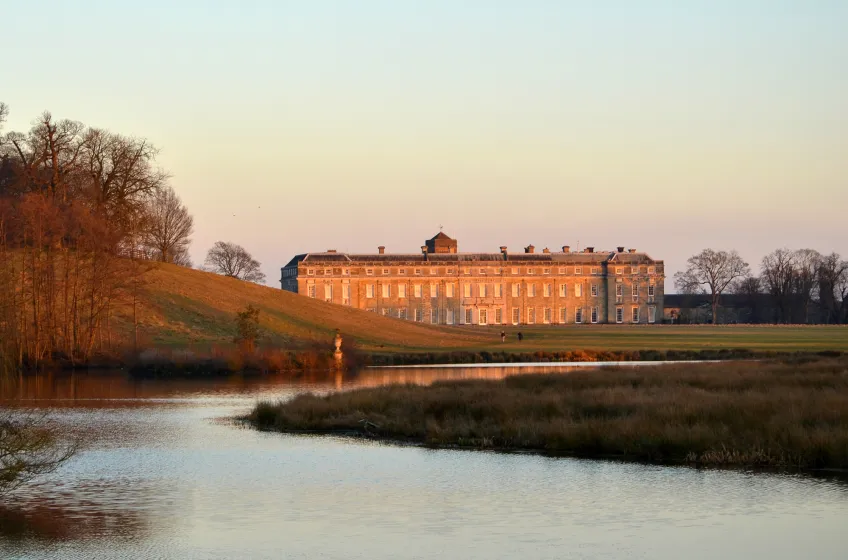
Petworth House is a grand stately home located in the market town of Petworth, West Sussex, England. Managed by the National Trust, this impressive 17th-century mansion is renowned for its extensive art collection, rich history, and beautifully landscaped deer park. The estate covers approximately 700 acres and includes both formal gardens and wider parkland designed by the famed landscape architect Capability Brown. The house itself is a fine example of English Baroque architecture and offers a unique insight into aristocratic life over several centuries.
The property has been home to the influential Percy and Wyndham families, whose legacy is closely tied to the house’s current form and collections. Petworth House remains an important cultural and historical landmark, offering visitors a combination of art, architecture, and nature. It has also served as inspiration for several artists, most notably J.M.W. Turner, who painted many works during his time at Petworth. Whether for a casual day out or a deeper exploration of English heritage, Petworth House is a destination of considerable interest.
Recommended Petworth accommodation: Hotels Bed & Breakfasts Pub Accommodation
Why Is Petworth House Worth a Visit?
Petworth House stands out for its exceptional collection of fine art, one of the most significant in the National Trust’s care. It houses works by celebrated artists such as Turner, Van Dyck, Reynolds, Blake, and Gainsborough, giving visitors the opportunity to view masterpieces in the context of a lived-in historic home. The house’s rooms, many of which are presented much as they would have been in the 18th and 19th centuries, offer an authentic experience of English country house life.
In addition to its art collection, Petworth House’s architecture and interiors are of great interest. The State Rooms are particularly notable for their size and opulence, with elaborate plasterwork, marble fireplaces, and classical motifs. The adjoining chapel and servants’ quarters also give insight into the daily operations of the estate and the lives of those who worked there.
The surrounding parkland, laid out by Capability Brown in the mid-18th century, provides a serene setting for walking and wildlife spotting. The landscape includes rolling lawns, ancient trees, and a large lake, and is home to a historic herd of fallow deer. The contrast between the formal grandeur of the house and the natural beauty of the park makes for a well-rounded visit appealing to a wide range of interests.
Highlights of Petworth House and Park
The Art Collection
Petworth House is perhaps best known for its extensive and diverse art collection. Visitors can view over 20 paintings by J.M.W. Turner, who was a frequent guest at the house in the early 19th century. His atmospheric landscapes of the Sussex countryside are displayed alongside works by Van Dyck, including portraits of members of the Percy family, and pieces by Gainsborough and Reynolds. The house also contains sculptures by Grinling Gibbons and a number of fine examples of decorative arts, including 17th-century furniture, tapestries, and porcelain.
The Carved Room
One of the most remarkable interiors in Petworth House is the Carved Room, so named for its intricate wood panelling by Grinling Gibbons. The room showcases several Turner paintings, many of which were commissioned specifically for this space. The room’s carvings, depicting flowers, foliage, and birds, are considered some of Gibbons’ finest work and are a focal point for visitors interested in craftsmanship.
The North Gallery
This long, light-filled gallery was created in the 19th century to house parts of the growing art collection. It has been recently reinterpreted by the National Trust to better reflect its use as a family gallery space. Today, the North Gallery displays a wide range of sculptures, paintings, and classical antiquities, and is designed to encourage a slower, more contemplative approach to viewing art.
The Chapel
Petworth’s private chapel, dating from the late 17th century, remains a consecrated space and contains a number of religious artworks, including stained glass and wood carvings. It provides an insight into the religious life of the estate’s occupants and complements the more secular displays found elsewhere in the house.
The Servants’ Quarters
A separate wing of the house offers a glimpse into life below stairs. Visitors can explore the historic kitchens, sculleries, and staff corridors, giving a balanced view of how the house functioned on a day-to-day basis. These rooms are presented with original fittings and sometimes feature audio-visual elements or period artefacts to help bring the past to life.
The Grand Staircase
This impressive feature of the main house connects several of the major rooms and is noted for its scale and decoration. The staircase is surrounded by portraits and architectural embellishments that emphasise the status and wealth of the family who lived here.
The Landscape Park
The 700-acre park designed by Capability Brown offers wide views, rolling pasture, and mature trees that frame the house in a typically 18th-century picturesque style. The park is ideal for walking, photography, and picnicking. It is also home to a managed herd of around 700 fallow deer, which roam freely through the landscape.
The Pleasure Grounds
In addition to the open parkland, Petworth features smaller garden areas closer to the house, often referred to as the pleasure grounds. These include formal plantings, flower beds, and wooded walks, which provide a more intimate alternative to the expansive park.
The Little Dining Room
This smaller, more personal dining space is one of the more accessible areas of the house, offering a contrast to the formal grandeur of the State Dining Room. It reflects the changing lifestyle of the estate’s owners in the 19th and early 20th centuries and often features temporary exhibitions or displays.
Temporary Exhibitions
Petworth House hosts a programme of temporary exhibitions, often focusing on themes connected to its collection or the lives of its historical occupants. These exhibitions are usually displayed in designated gallery areas and change seasonally, providing returning visitors with something new to see.
Nearby Attractions
Petworth is located in the heart of the South Downs, making it an ideal base for exploring other heritage and natural sites. One of the most prominent nearby attractions is the South Downs National Park, which offers miles of walking and cycling routes, as well as scenic viewpoints and nature reserves.
Just a short drive from Petworth is Arundel Castle, a restored medieval and Gothic-style castle with extensive gardens and impressive interiors. Another nearby heritage property is Uppark House and Garden, also managed by the National Trust, which offers further insight into Georgian architecture and social history.
The town of Midhurst, located around 10 miles from Petworth, is home to the ruins of Cowdray House, a Tudor mansion partly destroyed by fire in the 18th century. The site is open seasonally and offers a fascinating look at one of England’s most significant ruined houses.
For those interested in English gardens, West Dean Gardens and Woolbeding Gardens are within reasonable driving distance. Both sites feature formal gardens, rare plant collections, and historic connections to notable figures in art and literature.
Practical Advice for Visitors
Petworth House is open to the public most of the year, although opening times and access to certain areas may vary depending on the season or ongoing conservation work. It is advisable to check the National Trust website for up-to-date information before planning a visit. Entry to the house and park is ticketed, with separate pricing for members and non-members.
Parking is available on site, though it may be limited during peak times. The entrance to the park is situated a short walk from the house, and visitors with mobility needs are advised to use the designated accessible parking closer to the main house. Mobility scooters and manual wheelchairs can be hired, but it is recommended to book them in advance.
A café is located within the courtyard area, offering light meals, drinks, and snacks. There is also a shop selling books, gifts, and local produce. Picnic areas are available in the park for those who prefer to bring their own food.
To make the most of a visit, allow at least three hours to explore the house and grounds. Guided tours are occasionally offered, particularly in less-accessible areas, and knowledgeable volunteers are present throughout the house to answer questions. Petworth House is family-friendly, with seasonal events, trails, and activities for children.
Dogs are welcome in the park, though they must be kept on leads in areas where deer are present. The house itself does not allow dogs, with the exception of assistance animals.
Public transport links to Petworth are limited, so visitors arriving without a car should check bus services from nearby towns such as Pulborough or Haslemere. Taxis are also an option, though pre-booking is advisable.
Conclusion
Petworth House offers a compelling combination of fine art, architectural heritage, and landscaped parkland that makes it well worth a visit. Whether drawn by the Turner paintings, the Capability Brown landscape, or the atmosphere of a lived-in stately home, visitors will find much to engage with. Situated in a region rich in history and natural beauty, Petworth is an excellent starting point for broader exploration of West Sussex and the South Downs.
Shortlist
- Your Shortlist is empty