
A Visitor's Introduction to The Pembrokeshire Coast
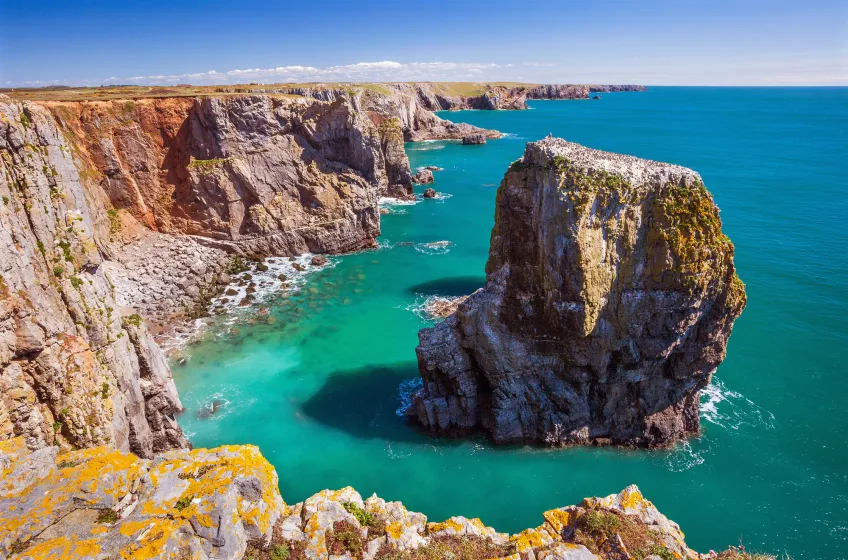
The Pembrokeshire Coast, located in southwest Wales, is a breathtaking region known for its rugged cliffs, sandy beaches, and picturesque villages. Home to the Pembrokeshire Coast National Park, this area is the only coastal national park in Britain, offering stunning seascapes, rich wildlife, and a wealth of outdoor activities. With its ancient castles, charming harbours, and unspoiled natural beauty, the Pembrokeshire Coast is a paradise for walkers, nature enthusiasts, and anyone seeking a tranquil escape by the sea.
Recommended Pembrokeshire Coast Accommodation: Hotels Bed & Breakfasts Pub Accommodation
Why is the Pembrokeshire Coast Worth a Visit?
The Pembrokeshire Coast is worth visiting for its dramatic landscapes, diverse wildlife, and rich history. The area’s Pembrokeshire Coast Path, a 186-mile-long National Trail, provides access to some of the most stunning coastal views in the UK. The region is dotted with historic landmarks, including medieval castles, prehistoric sites, and charming seaside villages. Its clear waters and hidden coves make it ideal for water sports such as kayaking, coasteering, and surfing. Whether you’re exploring its scenic trails, relaxing on its beaches, or discovering its historical treasures, the Pembrokeshire Coast offers a unique and unforgettable experience.
Pembrokeshire Coast Highlights: Things to See and Do on the Pembrokeshire Coast
1. Pembrokeshire Coast Path
The Pembrokeshire Coast Path is one of the most scenic walking routes in Britain, stretching from St. Dogmaels to Amroth. The path offers a mix of rugged cliffs, sandy beaches, and serene estuaries, with breathtaking views of the sea and countryside. Walkers can explore dramatic headlands, secluded coves, and charming coastal villages along the way. Whether you tackle a short section or the entire trail, the Coast Path provides an unparalleled way to experience the beauty of Pembrokeshire.
2. St Davids
The smallest city in Britain, St Davids is a charming and historic destination, named after the patron saint of Wales. The city’s main attraction is St Davids Cathedral, a stunning medieval cathedral set in a peaceful valley. Nearby, the ruins of Bishop’s Palace offer a glimpse into the grandeur of medieval ecclesiastical life. St Davids is also a gateway to Ramsey Island, known for its rich birdlife and dramatic coastal scenery.
3. Barafundle Bay
Often described as one of the most beautiful beaches in Britain, Barafundle Bay is a secluded, golden-sand beach backed by dunes and pine trees. Accessible only by foot via a half-mile walk from the nearest car park, Barafundle offers a peaceful retreat for those seeking tranquillity and natural beauty. The beach’s clear waters are perfect for swimming, and its picturesque setting makes it a favourite among photographers and nature lovers.
4. Tenby
Tenby is a picturesque seaside town known for its colourful houses, medieval walls, and pristine beaches. The town’s harbour is a hub of activity, with boats offering trips to Caldey Island, a serene island home to a working monastery. Tenby’s three beaches—North Beach, South Beach, and Castle Beach—are ideal for swimming, sunbathing, and water sports. The town’s narrow streets are filled with shops, galleries, and restaurants, making it a delightful place to explore.
5. Skomer Island
Skomer Island is a wildlife haven, famous for its large population of puffins and other seabirds, including guillemots and razorbills. The island is accessible by boat from Martin’s Haven and offers a unique opportunity to observe these birds up close, particularly during the breeding season from April to July. Skomer is also known for its carpets of wildflowers, such as bluebells and sea thrift, which add to its enchanting landscape.
6. Pembroke Castle
Pembroke Castle is a magnificent Norman fortress with a rich history dating back to the 11th century. The birthplace of Henry VII, the first Tudor king, the castle features impressive towers, battlements, and a large circular keep. Visitors can explore its well-preserved interiors, learn about its history through interactive exhibits, and enjoy panoramic views of the surrounding countryside from its walls.
7. Whitesands Bay
A popular destination for surfers and families, Whitesands Bay is a wide, sandy beach with excellent waves and beautiful views of Carn Llidi hill. The beach is lifeguarded during the summer months, making it a safe spot for swimming and water sports. The nearby coastal path offers stunning walks with views of Ramsey Island and the rugged cliffs of St Davids Head.
8. Solva
The picturesque village of Solva is nestled in a deep, narrow harbour, lined with colourful cottages and fishing boats. The village is a great spot for exploring, with art galleries, craft shops, and cosy pubs. Solva’s harbour is perfect for kayaking and boating, and the surrounding coastal paths offer beautiful walks with panoramic views of St Brides Bay.
9. Blue Lagoon
Located near the village of Abereiddy, the Blue Lagoon is a stunning natural pool formed in a former slate quarry. Its deep blue waters attract coasteering enthusiasts and cliff divers, while its scenic setting makes it a popular spot for photographers. The nearby beach at Abereiddy is also worth a visit, known for its black sand and dramatic cliffs.
10. Freshwater West
Freshwater West is a wild and windswept beach famous for its rolling sand dunes, strong surf, and role as a filming location for movies like Harry Potter and Robin Hood. The beach is popular with surfers and offers a rugged beauty that attracts walkers and nature lovers. The beach is also home to Café Môr, a quirky food truck known for its delicious seafood dishes.
11. Marloes Sands
Marloes Sands is a stunning, remote beach known for its golden sands, dramatic rock formations, and rich wildlife. The beach is ideal for exploring, with numerous rock pools and caves to discover at low tide. The surrounding cliffs offer excellent walking trails, with views of Skokholm Island and the Pembrokeshire coast.
12. Castell Henllys
Castell Henllys is an Iron Age hillfort where visitors can experience life as it was over 2,000 years ago. The site features reconstructed roundhouses, built on their original foundations, and offers interactive activities, such as traditional crafts and storytelling. It’s a fascinating destination for families and anyone interested in ancient history and archaeology.
13. Newport
The charming town of Newport, not to be confused with its namesake in South Wales, is known for its beautiful beach, ancient church, and vibrant arts scene. Newport’s beach, backed by sand dunes and the estuary of the River Nevern, is perfect for walking and birdwatching. The town itself offers a range of shops, galleries, and restaurants, making it a great base for exploring the northern part of the Pembrokeshire Coast.
14. Strumble Head
Strumble Head, with its iconic lighthouse perched on a rocky outcrop, offers some of the best coastal views in Pembrokeshire. The area is a prime spot for wildlife watching, particularly for spotting porpoises and seabirds. The surrounding cliffs and heathland are crisscrossed with walking trails, providing opportunities for scenic hikes and photography.
15. Carew Castle and Tidal Mill
Carew Castle, with its mix of Norman, Tudor, and Elizabethan architecture, is set in a picturesque location overlooking a millpond. The castle’s rich history is complemented by its beautifully landscaped grounds and the nearby Carew Tidal Mill, the only restored tidal mill in Wales. The site offers a peaceful setting for a leisurely walk and a fascinating look into Pembrokeshire’s past.
Practical Advice for Visitors
Getting There
The Pembrokeshire Coast is accessible by car, train, and bus. The A40 and A487 are the main roads leading into the region, with connections to towns like Haverfordwest, Tenby, and Fishguard. Train services run to Haverfordwest, Pembroke Dock, and Fishguard, with bus connections to coastal villages and attractions. The Coastal Bus Service offers convenient transport along the coast, making it easy to explore the area without a car.
Parking
There are numerous car parks throughout the Pembrokeshire Coast, including at popular beaches, villages, and visitor attractions. Many car parks charge a fee, especially during peak season, so it’s advisable to carry some change. Some National Trust car parks are free for members.
Public Transport
The Pembrokeshire Coast offers several public transport options, including the Coastal Bus Service, which operates routes along the coast and connects to major towns and villages. This service is particularly useful for walkers, as it allows for one-way hikes along the Coast Path. Regular buses also connect Pembrokeshire’s towns and key attractions.
Dining
The Pembrokeshire Coast boasts a range of dining options, from seaside cafés and traditional pubs to fine dining restaurants. Seafood is a highlight, with dishes featuring freshly caught fish, lobster, and crab. Notable spots include The Shed Bistro in Porthgain, known for its fresh fish and chips, and Coast Restaurant in Saundersfoot, offering contemporary cuisine with stunning sea views.
When to Visit
The best time to visit the Pembrokeshire Coast is between late spring and early autumn, when the weather is mild, and the landscape is in full bloom. Summer is the peak season, with lively events and bustling beaches. For a quieter experience, consider visiting in May or September, when the weather is still pleasant, but the crowds are smaller. Winter offers a peaceful retreat, with the added charm of stormy seas and cosy pubs.
Local Events
The Pembrokeshire Coast hosts various events throughout the year, including the Fishguard Folk Festival in May, the Pembrokeshire County Show in August, and the Tenby Arts Festival in September. The St Davids Cathedral Festival in May and June showcases classical music performances in a stunning setting, while the Newport Street Food Festival offers a taste of local cuisine.
Exploring Beyond the Pembrokeshire Coast
Beyond the Pembrokeshire Coast, visitors can explore the wider region, including the Brecon Beacons National Park, known for its rugged mountains and waterfalls. The Gower Peninsula, another stunning coastal area, is a short drive away, offering more beautiful beaches and scenic walks. The historic town of Carmarthen and the vibrant city of Swansea are also worth a visit for their cultural attractions and shopping.
Shortlist
- Your Shortlist is empty