
Discover The Opal Coast | A Visitor's Introduction to The Opal Coast
The Opal Coast (or Côte d’Opale) is a stunning stretch of coastline in northern France, nestled between Calais and Berck-sur-Mer in the Hauts-de-France region. Known for its dramatic cliffs, expansive beaches, and charming seaside towns, the Opal Coast is a perfect destination for nature lovers, history enthusiasts, and anyone looking to experience the quieter, scenic side of France. With its mix of windswept landscapes, historic significance, and vibrant local culture, the Opal Coast offers a picturesque and relaxed alternative to France's more crowded southern shores.
Recommended Opal Coast Accommodation: Hotels
Why is the Opal Coast Worth a Visit?
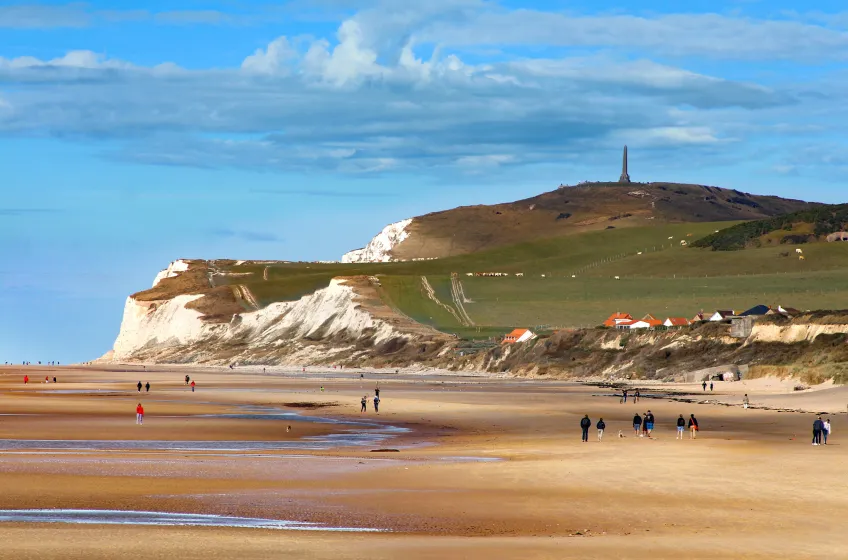
The Opal Coast is worth visiting for its raw natural beauty and its blend of history, outdoor adventure, and French coastal charm. Its name, derived from the opalescent quality of its skies and sea, hints at the ethereal atmosphere you’ll find along this 120-kilometre coastline. It's a place where white chalk cliffs meet rolling green hills, interspersed with sandy beaches, fishing villages, and resorts with Belle Époque architecture.
The region is steeped in both natural and human history—from ancient geological formations to poignant wartime memorials. Outdoor activities like hiking, kite surfing, and sand yachting are popular, while foodies can indulge in fresh seafood and regional delicacies like moules-frites and tarte au sucre. Whether you're wandering through old fortresses, birdwatching in nature reserves, or enjoying an ice cream on a seaside promenade, the Opal Coast invites you to slow down and savour its unspoilt charm.
Opal Coast Highlights: Things to See and Do in the Opal Coast
Cap Blanc-Nez and Cap Gris-Nez
These iconic white and grey headlands are among the most breathtaking sights on the Opal Coast. Cap Blanc-Nez, with its towering chalk cliffs, offers panoramic views across the English Channel—on a clear day, you can see the cliffs of Dover. Cap Gris-Nez, slightly lower but rich in wildlife and wartime history, is the closest point of France to England. Both are part of the protected Site des Deux-Caps and ideal for hiking, photography, or simply admiring the coastal landscape.
Wissant
Nestled between the two capes, the village of Wissant is a windsurfing and kite-surfing hotspot with a wide sandy beach and a laid-back vibe. It’s also a great place for a coastal walk or a seafood meal with a view. History buffs might appreciate the area's role during World War II, while nature lovers will enjoy the surrounding dunes and marshes.
Boulogne-sur-Mer
The largest town on the Opal Coast, Boulogne-sur-Mer is home to Nausicaá, one of Europe’s biggest aquariums, which showcases marine life from all over the world. The old town, encircled by medieval walls, contains a beautiful basilica, cobbled streets, and a 13th-century castle housing a surprisingly vast museum. It’s a mix of maritime heritage and cultural sophistication.
Le Touquet-Paris-Plage
Often referred to simply as Le Touquet, this stylish resort town was once the playground of Parisian high society. Today, it offers a mix of sandy beaches, pine forests, golf courses, and a charming town centre full of boutiques and cafés. The town's Belle Époque architecture adds to its nostalgic glamour, and it’s a great spot for cycling or horse riding on the beach.
Hardelot Castle
Château d’Hardelot is a unique Anglo-Norman-style castle that symbolises the cross-Channel relationship between France and Britain. It hosts regular exhibitions, concerts, and events, and its beautiful grounds are perfect for a stroll. The adjoining nature reserve also makes it a lovely spot for birdwatching.
Montreuil-sur-Mer
Although no longer by the sea, this picturesque walled town is just a short drive inland and is well worth a detour. Victor Hugo found inspiration here for Les Misérables, and the town retains much of its 19th-century charm. Explore the ramparts, visit the Citadel, and enjoy local produce at the weekly market.
Audresselles and Ambleteuse
These two fishing villages are full of rustic charm and well-preserved coastal architecture. Ambleteuse is home to a historic fort built by Vauban that still guards the river estuary. Audresselles, meanwhile, is known for its whitewashed cottages and fresh seafood. Both are perfect for a relaxed afternoon walk and a plate of freshly-caught mussels.
Marais d’Opale Regional Nature Park
This vast park inland from the coast features marshes, forests, and heaths, offering a haven for hikers and wildlife enthusiasts. The trails are peaceful and uncrowded, and you might spot herons, storks, or wild boar. It’s a serene counterpoint to the bustling beaches and a chance to experience the region’s inland beauty.
Boulonnais Hills
The rolling hills of the Boulonnais offer stunning views and make for excellent cycling or driving routes. Dotted with sleepy villages, farms, and country chapels, they provide a quintessential French rural experience with the sea never far from sight.
Practical Advice for Visitors
Getting There
The Opal Coast is easily accessible from the UK and northern Europe. Eurotunnel and ferry services run regularly between Dover and Calais, placing you right at the start of the Opal Coast. From Paris, it’s around a 2.5-hour drive via the A16 motorway. Trains also run from Paris to Boulogne-sur-Mer and Calais, with connections to smaller towns via regional rail or buses.
Parking
Most towns and beaches have ample parking, though it can get busy in summer months. Le Touquet and Boulogne-sur-Mer have pay-and-display systems and dedicated car parks. In smaller villages like Audresselles or Wissant, street parking is usually free but limited—arrive early if you're visiting in peak season or on a sunny weekend.
Dining
Seafood is a standout on the Opal Coast. Look for traditional dishes like moules marinières, raie au beurre noir (skate in brown butter), and local cheeses such as maroilles. Le Touquet offers fine dining options like Le Pavillon and Perard, while Boulogne-sur-Mer has a variety of family-run bistros. For something casual, beachside cafés in Wissant and Audresselles serve up fresh fish with chips or regional beers.
Shopping
Local markets in towns like Montreuil-sur-Mer and Boulogne-sur-Mer offer everything from cheeses and charcuterie to crafts and flowers. Le Touquet has boutique shops selling fashion, art, and gourmet goods. Don’t miss local specialities like bière de garde, pain d’épices, and regional cider.
When to Visit
Late spring (May to June) and early autumn (September) are ideal, with mild weather and fewer crowds. July and August are livelier and perfect for beach holidays, though beaches can get busy and accommodation should be booked in advance. Winter is quieter but still atmospheric, especially around Christmas markets and coastal walks under dramatic skies.
Local Events
The Opal Coast hosts numerous events throughout the year. Highlights include:
-
Enduropale du Touquet (February): A huge off-road motorcycle race along the beach at Le Touquet.
-
Montreuil-sur-Mer Sound and Light Show (Summer): A theatrical outdoor spectacle depicting the history of the town.
-
Herring Festival in Étaples (October): Celebrating the fishing traditions with music, food, and market stalls.
-
Nausicaá’s themed exhibitions (year-round): Regular rotating exhibits and marine events at the aquarium in Boulogne-sur-Mer.
Exploring Beyond the Opal Coast
If time permits, consider venturing further into the Pas-de-Calais or Nord regions. The historic town of Arras with its Flemish-style squares and WWI memorials is about an hour’s drive inland. The Somme battlefields and Amiens Cathedral are also within reach. To the north, you can explore Dunkirk’s maritime museum or even hop over to Belgium for a day trip to Bruges or Ypres.
The Opal Coast is a captivating destination that blends rugged natural beauty, rich history, and genuine French character. Whether you're strolling through windswept dunes, enjoying a seaside meal, or discovering medieval towns, it’s a place that rewards slow travel and curious exploration. For an authentic French coastal experience far from the tourist throngs of the Riviera, the Opal Coast is a hidden gem waiting to be discovered.
Shortlist
- Your Shortlist is empty