
Discover Norwich | A Visitor's Introduction to Norwich
Get independent advice and recommendations for places to stay and things to do in Norwich
Norwich is a city where medieval history meets modern culture. Known for its beautifully preserved architecture, including a stunning cathedral and one of the largest surviving city walls in England, Norwich also has a thriving arts scene, independent shops, and a strong literary heritage.
Recommended Norwich Accommodation: Hotels Bed & Breakfasts Pub Accommodation Apartments
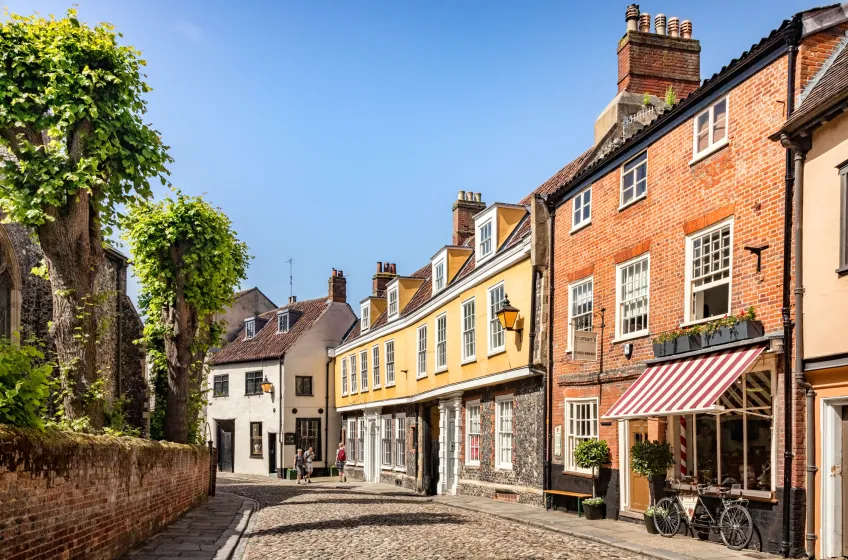
Norwich City Centre
Why is Norwich Worth a Visit?
Norwich is one of England’s most historically rich cities, with roots dating back over 1,000 years. Its cityscape is an incredible mix of medieval, Tudor, and Georgian architecture, which tells the story of its past as a prosperous wool-trading centre. At the same time, Norwich has embraced the modern era, with cutting-edge art galleries, creative festivals, and a dynamic food and drink scene. Whether you’re wandering through cobbled streets, exploring the vibrant Norwich Lanes, or enjoying a pint in one of the city’s many traditional pubs, Norwich offers a unique combination of the old and new. Its proximity to the Norfolk Broads and the nearby coastline also makes it an ideal gateway to some of England’s most scenic countryside and waterways.
Norwich Highlights: Things to See and Do in Norwich
1. Norwich Cathedral
At the heart of the city stands Norwich Cathedral, one of the most impressive Norman buildings in England. With its soaring spire (the second tallest in the country) and serene cloisters, the cathedral is a must-see for visitors. Inside, you’ll find stunning Gothic architecture, intricate medieval carvings, and beautiful stained glass windows. The cathedral grounds offer a peaceful oasis in the middle of the city, perfect for a quiet walk or reflection. Don’t miss the Norwich Cathedral Close, a charming area surrounding the cathedral that’s full of historic buildings.
2. Norwich Castle
Built by the Normans in the 12th century, Norwich Castle is one of the city’s most iconic landmarks. The castle, which once served as a royal palace and later as a prison, now houses the Norwich Castle Museum & Art Gallery. Inside, you’ll find exhibits on archaeology, fine art, and the history of Norfolk, as well as displays featuring artefacts from the ancient Iceni tribe. Climb to the top for panoramic views over Norwich, and explore the dungeons and medieval keep for a sense of its long history.
3. Norwich Lanes
The Norwich Lanes is a historic area of narrow, winding streets filled with independent shops, vintage boutiques, and quirky cafés. It’s a shopper’s paradise, where you can find everything from unique fashion to locally made crafts. This area has a laid-back, creative vibe and is also home to some of the city’s best restaurants and bars. Upper St Giles Street and Elm Hill (a medieval cobbled street) are especially charming, and wandering through the lanes is a great way to soak up the city’s character.
4. Sainsbury Centre for Visual Arts
Located on the campus of the University of East Anglia, the Sainsbury Centre for Visual Arts is one of the country’s most important art galleries, housed in a striking modern building designed by Sir Norman Foster. The museum’s collection spans 5,000 years, with pieces ranging from ancient Egyptian artefacts to modern and contemporary art by artists such as Picasso, Francis Bacon, and Henry Moore. The centre’s mix of art and architecture makes it a must-visit for culture lovers.
5. The Norfolk Broads
A short drive from Norwich, the Norfolk Broads is a network of rivers and lakes that offers some of the most beautiful countryside in England. Whether you want to take a boat trip, go kayaking, or simply enjoy a riverside walk, the Broads are a perfect way to experience the natural beauty of Norfolk. Wroxham is one of the main hubs for boat hire, while Ranworth Broad and Horning are picturesque villages worth exploring. Norwich’s proximity to the Broads makes it an ideal base for combining city culture with outdoor adventure.
6. Norwich Market
Dating back over 900 years, Norwich Market is one of the largest and oldest outdoor markets in the UK. Its colourful stalls sell a wide variety of goods, from fresh local produce to street food, clothing, and antiques. The market is at the centre of Norwich’s lively food scene, with many vendors offering delicious global cuisine, including everything from traditional British pies to Vietnamese banh mi. A visit here is a great way to experience the city’s vibrant atmosphere.
7. Elm Hill
Elm Hill is one of the most picturesque streets in Norwich, with its medieval cobblestones and half-timbered houses. Lined with independent shops, galleries, and tea rooms, Elm Hill feels like stepping back in time. Many of the buildings date back to the Tudor period, and the area is a favourite spot for photographers. It’s also appeared in several films and TV shows due to its old-world charm. Walking down Elm Hill is a quintessential Norwich experience.
8. The Forum
The Forum is a striking modern glass building in the city centre that houses the Norfolk and Norwich Millennium Library, one of the busiest public libraries in the country. The building also hosts exhibitions, events, and community activities throughout the year. The open space in front of The Forum is a popular meeting spot and a venue for outdoor markets and food festivals. Inside, you’ll find a café with views over the city, as well as the BBC Look East studios.
9. Dragon Hall
A hidden gem, Dragon Hall is a Grade I listed medieval trading hall with a rich history. Built in the 15th century, the building is famous for its beautifully carved dragon beams in the timber-framed roof. It’s now home to the National Centre for Writing, celebrating Norwich’s status as a UNESCO City of Literature. Dragon Hall regularly hosts literary events, workshops, and exhibitions, making it a fascinating stop for book lovers and history enthusiasts alike.
10. Strangers' Hall
Step back in time at Strangers' Hall, a Tudor house that has been home to wealthy merchants, mayors, and families since the 14th century. This fascinating museum takes visitors through the rooms of the house, from grand parlours to cosy chambers, with beautifully restored period furnishings. The museum tells the story of Norwich’s rich history, including the arrival of the "Strangers" – Flemish weavers who came to the city in the 16th century and helped boost its economy.
Practical Advice for Visitors
Getting There:
Norwich is well-connected by road, rail, and air. Norwich Railway Station offers regular services to London Liverpool Street (around 1 hour 50 minutes), as well as connections to Cambridge, Ipswich, and the rest of Norfolk. If you're driving, Norwich is accessible via the A11 from London and the A47 from the Midlands. Norwich International Airport is located just a few miles from the city centre, offering flights to various UK and European destinations, as well as a direct link to Amsterdam.
Getting Around:
Norwich is a compact city, and many of its main attractions are within walking distance of each other. For longer journeys, the city has an efficient bus network operated by First Bus, with services running regularly across the city and to the surrounding areas. If you’re exploring the Norfolk Broads or coastal regions, hiring a car is a convenient option, and cycling is also popular, with several dedicated bike paths throughout the city.
Parking:
There are several car parks in and around Norwich city centre, including Chapelfield, St Andrews, and Castle Mall. These car parks provide easy access to key attractions and shopping areas. On-street parking is available but can be limited, especially in the narrow medieval streets. For those staying outside the city, Park & Ride services are available, offering convenient transport into the city centre.
Dining:
Norwich’s food scene is diverse, with a mix of traditional British pubs, contemporary restaurants, and international cuisine. For fine dining, try Benedicts, run by award-winning chef Richard Bainbridge, which offers modern British dishes using locally sourced ingredients. Roger Hickman’s Restaurant is another highly regarded option for sophisticated dining. If you’re after something more casual, The Tipsy Vegan offers delicious plant-based meals, while Farmyard is known for its seasonal, bistro-style menu. For a traditional pub experience, head to The Fat Cat, famous for its selection of local ales.
Shopping:
Norwich is a fantastic shopping destination, with a mix of independent boutiques and high-street brands. Norwich Lanes is the go-to area for unique shops, vintage fashion, and local crafts. Jarrold, a family-run department store, is an iconic part of the city’s retail scene, offering everything from fashion to homewares. For more mainstream shopping, Chantry Place (formerly Chapelfield) and Castle Quarter house popular brands. Don’t forget to explore Norwich Market for fresh produce, street food, and quirky stalls.
When to Visit:
The best time to visit Norwich is between late spring and early autumn (May to September), when the weather is mild and outdoor activities are in full swing. Summer is particularly lively, with events such as the Norfolk & Norwich Festival and Lord Mayor’s Celebration drawing crowds. However, Norwich is also a great destination in the winter, with its Christmas market, festive lights, and cosy pubs creating a magical atmosphere.
Local Events:
Norwich has a vibrant cultural calendar throughout the year. The Norfolk & Norwich Festival in May is one of the UK's oldest arts festivals, offering a range of music, theatre, and art performances. The Norwich Science Festival in October celebrates innovation and discovery, while the Norwich Film Festival showcases independent films from around the world. During the festive season, the Norwich Christmas Market lights up the city with stalls selling gifts, food, and seasonal drinks.
Exploring Beyond Norwich:
Norwich is an excellent base for exploring the surrounding Norfolk countryside. The Norfolk Broads National Park, just a short drive away, is ideal for boating, walking, and wildlife watching. For a day at the seaside, head to Cromer or Great Yarmouth, both of which are within an hour's drive from the city. Blickling Hall, a stunning Jacobean mansion with beautiful gardens, is also worth a visit, as is Holkham Hall and its vast estate on the north Norfolk coast.
Shortlist
- Your Shortlist is empty