
Discover Nièvre | A Visitor's Introduction to Nièvre
Recommended places to visit, places to stay and things to do in Nièvre
Nièvre is a quiet gem in the heart of central France, part of the Burgundy (Bourgogne-Franche-Comté) region. Named after the river that runs through it, the Nièvre département is a land of gentle hills, deep forests, meandering rivers, and historic towns that retain a timeless rural charm. It’s ideal for visitors looking to slow down, enjoy natural beauty, and experience authentic French life away from the tourist trail.
This lesser-known part of Burgundy is a haven for walkers, cyclists, and history lovers, with everything from Roman ruins and medieval towns to lakes, canals, and wide-open countryside. If you want a taste of traditional France — think local markets, old stone villages, and forest picnics — Nièvre is a deeply rewarding place to explore.
Recommended Nièvre accommodation: Hotels
Why is Nièvre Worth a Visit?
Nièvre is worth visiting for its unspoiled landscapes, historic towns, and laid-back atmosphere. While it doesn’t have the wine prestige of Côte-d'Or or the name recognition of the Loire Valley, it offers a peaceful and authentic alternative. With its blend of canals, woodlands, lakes, and cultural sites, it’s perfect for travellers who enjoy nature, heritage, and rural life.
The region is dotted with small towns and villages, each with its own character and charm, while the Parc naturel régional du Morvan spreads across much of the west of the département, offering hills, streams, and endless trails. From Romanesque churches and châteaux to waterways perfect for boating and fishing, Nièvre is a destination to enjoy at a gentle pace.
Nièvre Highlights: Things to See and Do in Nièvre
Nevers
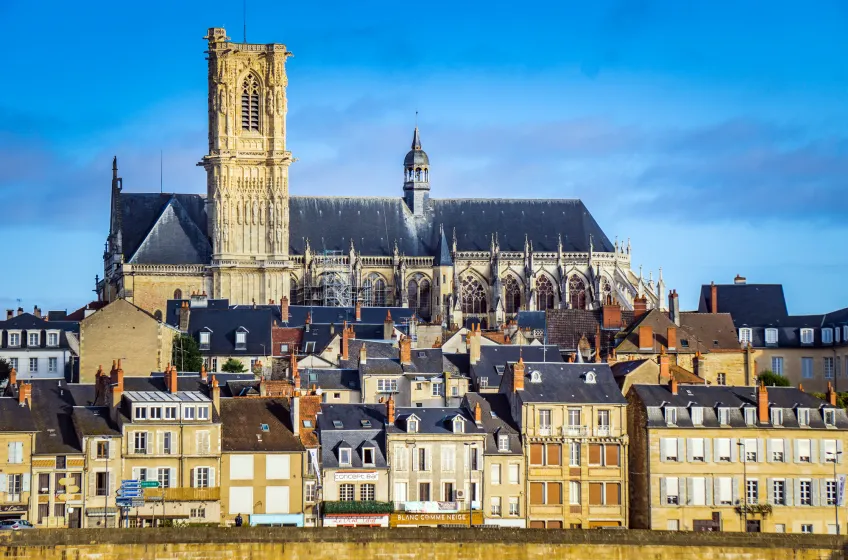
Nevers, the capital of Nièvre, sits on the banks of the Loire River and is full of quiet charm and historic sites. Once a major stop for pilgrims and traders, it's now a pleasant town with winding lanes, religious landmarks, and a few surprises.
Highlights include:
-
Nevers Cathedral (Saint-Cyr-et-Sainte-Julitte) – a mix of Romanesque and Gothic styles with beautiful stained glass
-
Ducal Palace (Palais Ducal) – once the home of the Dukes of Nevers, now houses exhibitions and the tourist office
-
The Shrine of Saint Bernadette – her preserved body rests in the chapel of Saint-Gildard Convent, drawing pilgrims from around the world
-
Loire riverbanks and bridges – ideal for strolls at sunset or riverside picnics
Nevers also has a ceramics tradition, particularly the famous faïence (tin-glazed pottery), which you can see in the Musée de la Faïence.
Parc Naturel Régional du Morvan
The Morvan is a rugged, forested highland in the western part of Nièvre, shared with neighbouring départements. It’s a paradise for walkers, cyclists, wild swimmers, and campers.
Things to do in the Morvan:
-
Hiking and mountain biking – with well-marked trails through woods, hills, and streams
-
Lac des Settons – one of several man-made lakes, ideal for swimming, boating, or relaxing on the beach
-
Local food – taste Morvan honey, charcuterie, and regional cheeses in small auberges
-
Quiet villages – such as Ouroux-en-Morvan or Montsauche-les-Settons, where life moves slowly and naturally
The Morvan also has deep links to French Resistance history, with memorials and museums dedicated to the region's wartime efforts.
Vézelay (just over the border, but close)
Technically in the Yonne département, Vézelay is often included in Nièvre travel because of its proximity and significance. The Basilica of Sainte-Marie-Madeleine is a UNESCO World Heritage Site and a starting point of the pilgrimage route to Santiago de Compostela.
The town itself is a masterpiece of medieval architecture, with steep streets, art galleries, wine shops, and panoramic views over the surrounding countryside. A visit to Vézelay pairs beautifully with time in the Morvan or the northern Nièvre area.
Canal du Nivernais
The Canal du Nivernais runs 174 km from Decize in the south of the département to Auxerre in Yonne. It’s often ranked among the most beautiful canals in France and is ideal for:
-
Boating holidays – slow travel on a rented barge or canal boat
-
Cycling – the towpath is smooth and largely flat, great for long, scenic rides
-
Fishing – peaceful, well-stocked stretches ideal for anglers
-
Waterside villages – such as Châtillon-en-Bazois, Corbigny, and Clamecy
The pace is slow, the views are lovely, and the villages feel unspoiled and welcoming.
Clamecy
A charming medieval town on the Canal du Nivernais and River Yonne, Clamecy is known for its timbered houses, narrow lanes, and history of wood floating (timber once floated to Paris via the river).
Must-see spots include:
-
Saint-Martin’s Church – a Gothic landmark with impressive architecture
-
Musée Romain Rolland – dedicated to the Nobel Prize-winning author born here
-
Old town streets and canal bridges – perfect for a sunny afternoon wander
In summer, Clamecy hosts music events and night markets that bring the old town to life.
Château de Bazoches
This 12th-century château was once the home of Marshal Vauban, a key military engineer under Louis XIV. It’s beautifully maintained, and visitors can explore furnished rooms, military artefacts, and sweeping views from the hilltop.
The château is located near Vézelay and makes an ideal cultural stop en route to or from the Morvan.
Decize
Situated on the confluence of the Loire and Aron rivers, Decize is a town with Roman origins and a laid-back, riverside vibe. It’s a hub for canal boating, cycling, and relaxed tourism.
Decize has:
-
A charming old town on an island in the Loire
-
The starting point for exploring the Canal du Nivernais
-
Summer festivals, concerts, and markets
It’s also a good base for exploring the southern Nièvre region.
La Charité-sur-Loire
Another highlight on the Loire River, this UNESCO-listed town is famous for its priory, one of the largest Cluniac sites in Europe. The Church of Notre-Dame is stunning, with Romanesque sculpture and historical importance.
La Charité is also known for:
-
Its book town status, with several second-hand bookshops and an annual book festival
-
Antique fairs and cultural events
-
Riverside walks and a peaceful atmosphere
Practical Advice for Visitors
Getting There
By car: Nièvre is best explored by car, with a well-connected network of D roads and a few A roads. Distances are modest, and traffic is rarely an issue.
Approximate travel times:
-
From Paris – about 2.5–3 hours
-
From Lyon – 2–2.5 hours
-
From Dijon – 1.5 hours
By train:
-
Nevers is the main rail hub, with direct trains from Paris-Bercy (around 2 hours)
-
Regional TER trains connect towns like Clamecy, Decize, and La Charité-sur-Loire
By bike or boat: For those with more time, cycling or boating along the Canal du Nivernais is a popular way to travel.
Getting Around
Public transport in rural Nièvre is limited, so hiring a car is highly recommended if you want to see more than the main towns.
Alternatively:
-
Bike hire is available in several towns along the canal
-
Boat hire allows you to travel at your own pace along the waterways
Dining
Nièvre is a region of country cooking, hearty dishes, and local produce. Many restaurants focus on traditional Burgundian cuisine with a regional twist.
Must-try specialities include:
-
Bœuf Bourguignon – slow-cooked beef in red wine
-
Coq au vin – chicken stewed in wine
-
Pike in white wine sauce – local freshwater fish
-
Charolais beef – prized for its flavour and tenderness
-
Goat’s cheese, Morvan honey, and forest mushrooms in season
Local wines include Pouilly-Fumé from nearby Nièvre vineyards, and you'll find plenty of Burgundy reds and whites available throughout.
Shopping
Markets are the best place to find local specialities. Look for:
-
Fresh cheeses, meats, and pâtés
-
Handmade ceramics and woodwork
-
Local honey, preserves, and herbal teas
-
Artisan books in La Charité-sur-Loire
-
Vintage finds in Clamecy and Nevers
Market days vary, but Saturdays are common in larger towns.
When to Visit
-
Spring (April–June) – wildflowers, forest walks, and mild weather
-
Summer (July–August) – perfect for lakes, festivals, and boating
-
Autumn (September–October) – golden forests, grape harvests, and food markets
-
Winter – very quiet, with occasional snow, but cosy in gîtes and country inns
The region is beautiful year-round, but summer and early autumn are especially rewarding.
Local Events and Festivals
-
Jazz in Clamecy (July)
-
Fête du Livre, La Charité-sur-Loire (late spring)
-
Nevers Blues Festival (November)
-
Marchés de Noël in towns like Nevers and Decize (December)
-
Canal festivals and boating celebrations during summer
Check local tourist offices for up-to-date schedules, as small-town events can be a highlight of any trip.
Exploring Beyond Nièvre
Nearby attractions include:
-
Chablis wine region (1–1.5 hours north)
-
Autun, with Roman ruins and historic cathedral (to the southeast)
-
Sancerre, for excellent wine and hilltop views (just east of La Charité)
-
Bibracte, the archaeological site of a Gaulish town (near Mont Beuvray, Morvan)
Nièvre is also on the route between Paris and the south of France, making it a peaceful stopover or detour for travellers on a broader tour.
Nièvre is the kind of place that rewards the curious and calms the restless. Far from the crowds and clichés, it offers a France that feels timeless — where life is measured in markets, meals, and meanders along quiet rivers. Whether you’re paddling on a canal, wandering through medieval streets, tasting farmhouse cheese, or picnicking in the Morvan, Nièvre delivers peace, pleasure, and discovery in equal measure.
Shortlist
- Your Shortlist is empty