
A Visitor's Introduction to The Museum of London Docklands
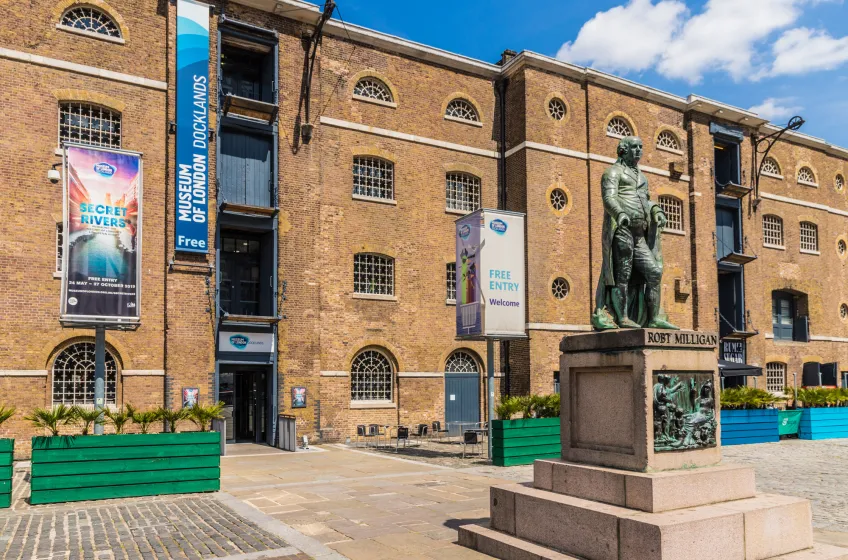
The Museum of London Docklands is a branch of the Museum of London located in a converted 19th-century warehouse in West India Quay, in the heart of London’s historic Docklands. Opened in 2003, the museum explores the long and complex history of the River Thames and the development of London’s port, tracing its evolution from Roman times to the 21st century. The museum forms part of the wider Museum of London group, which also includes the Museum of London in the City and the London Wall site.
Set within a Grade I-listed Georgian sugar warehouse, the museum’s setting is as much part of the experience as the collections themselves. With its exposed brickwork, timber beams and waterfront location, it offers an atmospheric environment that enhances its focus on London’s maritime and trading past. A mix of permanent and temporary exhibitions, alongside interactive displays and family-focused galleries, makes it suitable for a wide range of visitors.
Recommended London Docklands accommodation: Hotels
Pre-book London Attractions, Tours & Experiences
Why is the Museum of London Docklands worth a visit?
The Museum of London Docklands is well worth visiting for anyone with an interest in London’s social, economic and maritime history. It offers a detailed and often thought-provoking perspective on the city’s connections with global trade, migration, and empire-building, with a particular emphasis on how these forces shaped the Docklands area.
Unlike many larger and more crowded museums in central London, this museum allows for a more immersive and contemplative experience. Its galleries are curated to reflect both the scale and the human stories behind the growth of London as a port, from the Roman settlement of Londinium to the redevelopment of Canary Wharf in the late 20th century. One of the few museums in London to tackle the topic of Britain’s role in the transatlantic slave trade with clarity and historical depth, it also includes exhibitions that explore lesser-known stories of working life, dock labour, and post-war immigration.
As a free museum (with occasional charges for special exhibitions), it offers strong value for those looking to explore a less commercialised but deeply informative part of London’s history.
Highlights of the Museum of London Docklands
No.1 Warehouse
The museum is housed within No.1 Warehouse, one of the few surviving structures from the early 19th-century West India Docks. The building itself is a key part of the experience, offering a tangible connection to the period of intense commercial activity in the Docklands. Visitors can see preserved structural features and learn about the original function of the warehouse in the movement and storage of commodities such as sugar, rum and coffee.
London, Sugar and Slavery Gallery
This permanent gallery confronts London’s historical involvement in the transatlantic slave trade. It examines the economic foundations of the city’s wealth in the 18th and 19th centuries and the ways in which enslaved African people were exploited in the production of commodities that passed through the docks. The gallery is thoughtfully designed with input from historians and community leaders and provides a sobering but necessary perspective on Britain’s imperial history.
Trade Expansion and the Empire
Several galleries document how Britain’s imperial ambitions shaped trade networks and infrastructure. This includes exhibits on shipping routes, trade monopolies, and the role of organisations like the East India Company. Original artefacts, shipping logs, and scale models help to illustrate the magnitude and mechanics of international commerce.
Sailortown
One of the most distinctive features of the museum is Sailortown, a recreated Victorian riverside street that immerses visitors in the atmosphere of a dockside neighbourhood from the late 19th century. Complete with dimly lit alleyways, shopfronts, a tavern and a chapel, it captures the sensory detail of the working-class communities who lived around the docks. The exhibit also serves as a lens into the social history of the area, including aspects of immigration, crime and everyday life.
First Port of Empire
This gallery explores the period during which London was the busiest port in the world. It presents the infrastructure that supported the port’s success, from docks and wharves to customs offices and transport links. There are also personal stories of dockworkers, shipping agents and other individuals who kept the system moving.
The Blitz and the Docklands during World War II
A powerful section of the museum is dedicated to the Docklands’ role during the Second World War. The docks were a key strategic target during the Blitz due to their importance to wartime logistics. Through photographs, artefacts, oral histories and recreated bomb shelters, this gallery brings to life the experience of Docklands residents during wartime.
New Port, New City
This modern section traces the transformation of the Docklands from post-industrial decline in the 1960s and 70s to the financial hub of Canary Wharf in the 1980s and beyond. It examines themes of urban regeneration, gentrification and changing economic priorities. Visitors can see models, architectural plans, and film footage documenting one of London’s most dramatic urban changes.
Children’s Galleries and Family Learning
The Mudlarks gallery is a hands-on interactive space designed specifically for children under 8, combining learning and play through water features, role-play areas, and digital activities. There are also regular storytelling sessions and school holiday events designed to make the museum engaging for younger audiences.
Temporary Exhibitions
The museum hosts a varied programme of temporary exhibitions that cover a wide range of topics, from specific communities within the Docklands to aspects of shipping and trade, art, and environmental issues. These often include multimedia displays, photography and interviews with local people.
Facilities
The Museum of London Docklands provides a range of facilities to ensure a comfortable visit. There is an on-site café, Rum & Sugar, located in the same historic warehouse, offering drinks, snacks and meals, with a menu influenced by Caribbean and British cuisine—a nod to the museum’s focus on the legacy of trade and colonial connections.
A well-stocked museum shop sells books, toys, gifts and themed items related to maritime and London history. The museum is fully wheelchair accessible, with lifts to all floors and accessible toilets. Baby-changing facilities are available, and the museum is pram-friendly. Guided tours and audio guides are sometimes available, and printed information is offered in multiple languages.
School and group visits are well supported, with dedicated learning spaces and a range of educational resources available for pre- and post-visit learning.
Nearby Attractions
The Museum of London Docklands is situated in Canary Wharf, a modern commercial and residential area built on the former West India Docks. The surrounding district offers a mix of modern attractions and historic landmarks.
Just a short walk away is Canary Wharf’s Crossrail Roof Garden, a free public space filled with exotic plants and landscaping, offering a peaceful retreat amidst the skyscrapers. The One Canada Square area also features numerous public artworks and high-end shopping and dining options.
For those interested in continuing their exploration of maritime London, the National Maritime Museum, Cutty Sark and Royal Observatory are all located across the river in Greenwich, which can be reached by DLR or riverboat. Nearby Trinity Buoy Wharf is a lesser-known arts venue with studios, sculptures and London’s only lighthouse.
To the west, the Thames Path runs along the river and offers pleasant walking opportunities towards Wapping, Limehouse and further into central London, passing old wharves, pubs and views across the Thames.
The Ragged School Museum, located in nearby Mile End, offers another slice of Victorian East End history and is particularly interesting for families.
Practical Advice for Visitors
The Museum of London Docklands is open daily, typically from 10:00 to 17:00, although visitors are advised to check the official website for any changes in hours or special event closures. Entry to the museum is free, although there may be a charge for some temporary exhibitions.
The museum is easily reached by public transport. The nearest station is West India Quay (DLR), located immediately adjacent to the museum. Canary Wharf station (served by the Jubilee line and the Elizabeth line) is also within walking distance. Visitors arriving by river can disembark at Canary Wharf Pier.
Weekdays, especially mornings, tend to be quieter than weekends or school holidays. Families should note that the Mudlarks children’s gallery sometimes requires timed tickets due to popularity, so it is recommended to reserve these in advance through the museum’s website.
Photography is generally permitted throughout the museum for personal use, but flash and tripods are not allowed. There is a cloakroom on site for coats and small bags, though space is limited. Visitors with accessibility needs will find detailed access information on the museum’s website and are encouraged to contact the museum in advance for specific support.
There are no parking facilities at the museum itself, but nearby public car parks are available in Canary Wharf. However, the museum is best accessed via public transport due to limited vehicle access in the area.
With its riverside location, comprehensive exhibitions and thoughtful curation, the Museum of London Docklands offers a rewarding and insightful experience for those wanting to delve deeper into the forces that shaped London into a global city.
Shortlist
- Your Shortlist is empty