
Discover Morecambe Bay | A Visitor's Introduction to Morecambe Bay
Morecambe Bay, in North West England, is a stunning expanse of tidal flats, sandy beaches, and charming coastal towns. Known for its breathtaking sunsets, rich wildlife, and sweeping views across to the Lake District, Morecambe Bay offers a perfect blend of natural beauty, seaside fun, and cultural heritage. Whether you're birdwatching, exploring historic villages, or simply enjoying fresh seafood by the sea, Morecambe Bay promises a relaxing and unforgettable escape.
Recommended Morecambe Bay Accommodation: Hotels Bed & Breakfasts Pub Accommodation
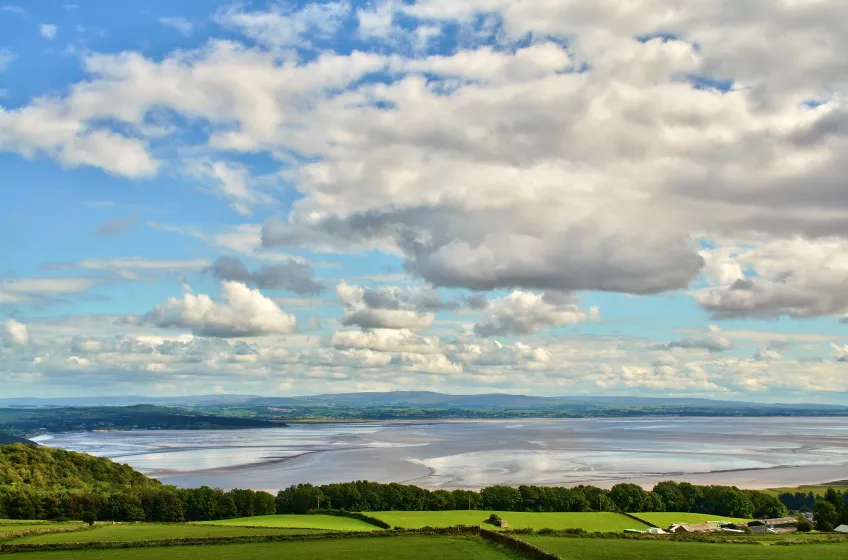
Morecambe Bay
Why is Morecambe Bay Worth a Visit?
Morecambe Bay is renowned for its vast tidal sands and shifting landscapes, creating one of the most dramatic and picturesque coastlines in the UK. Its unique ecosystem attracts a diverse range of wildlife, making it a haven for nature lovers. The bay is dotted with traditional seaside resorts, including Morecambe and Grange-over-Sands, where visitors can enjoy vintage charm, local delicacies, and panoramic coastal walks.
Morecambe Bay’s proximity to the Lake District and Forest of Bowland makes it an excellent base for exploring the wider region. Whether you're interested in outdoor adventures, art deco architecture, or simply soaking up the peaceful coastal atmosphere, Morecambe Bay has something to offer every visitor.
Morecambe Bay Highlights: Things to See and Do in Morecambe Bay
Morecambe Promenade and Art Deco Midland Hotel
The heart of Morecambe’s seafront is the iconic Midland Hotel, a beautifully restored 1930s art deco building that stands as a symbol of the town’s glamorous past. Overlooking the bay, the hotel offers luxurious dining and stunning views across the sands to the Lakeland fells.
A walk along Morecambe’s sweeping promenade reveals the town’s vintage seaside charm, with colourful beach huts, public art installations, and the famous Eric Morecambe statue – a tribute to the beloved comedian who hailed from the town. The promenade is perfect for a leisurely stroll, offering wide views of the bay, particularly at sunset.
Arnside and Silverdale AONB
To the northeast of Morecambe Bay lies the Arnside and Silverdale Area of Outstanding Natural Beauty (AONB), a hidden gem of limestone crags, woodlands, and salt marshes. This area is a paradise for walkers and wildlife enthusiasts, with trails leading through ancient woodlands, coastal cliffs, and nature reserves. Arnside Knott, the area’s highest point, offers breathtaking views across the bay and into the Lake District.
The villages of Arnside and Silverdale are charming in their own right, filled with artisan shops, cosy tearooms, and galleries. RSPB Leighton Moss, one of the UK’s most important bird reserves, lies nearby and is home to rare species such as bitterns and marsh harriers.
Grange-over-Sands
Grange-over-Sands, a peaceful Edwardian resort town, sits on the northern shore of Morecambe Bay. Known for its mild climate and beautifully maintained promenade, Grange offers visitors a quiet, picturesque escape. The ornamental gardens and traditional lido evoke the town’s seaside heritage, while the nearby Hampsfell Hospice, a stone shelter on a hilltop, offers panoramic views of the bay.
Grange-over-Sands also boasts a vibrant food scene, with local bakeries and delicatessens offering artisan bread, cheeses, and fresh seafood. Its railway station, part of the Furness Line, provides stunning coastal views as trains pass along the bay.
Heysham Village and St Patrick’s Chapel
Heysham, a historic village just south of Morecambe, offers a step back in time with its ancient stone cottages, winding lanes, and stunning coastal views. The village is best known for St Patrick’s Chapel, a ruined Saxon church perched dramatically on the cliffs. Nearby, visitors can find rock-cut graves dating back to the 10th century – one of the most iconic and atmospheric sights along the bay.
Heysham is also home to a beautiful coastal walk that takes in woodland, wildflower meadows, and views across to Barrow-in-Furness and the Isle of Man on clear days. The village’s tearooms and pubs provide the perfect stop for refreshments after exploring the coastline.
The Sands of Morecambe Bay
Morecambe Bay’s vast expanse of tidal sands creates an ever-changing landscape that is both beautiful and dangerous. Guided cross-bay walks, led by the official Queen’s Guide to the Sands, offer visitors the chance to safely traverse the bay’s famous quicksands. These walks provide unique insights into the history, ecology, and shifting sands of the bay, and often raise funds for local charities.
Levens Hall and Topiary Gardens
A short drive from the bay, Levens Hall is one of Cumbria’s most historic stately homes. Famous for its extraordinary topiary gardens – considered the oldest in the world – the hall offers visitors a chance to explore grand Elizabethan interiors and beautifully landscaped grounds. The gardens, filled with intricate shapes and towering hedges, are a highlight for gardening enthusiasts.
Levens Hall also features a deer park and pleasant riverside walks, making it an excellent day trip from Morecambe Bay.
Lancaster Castle and City
A visit to Morecambe Bay isn’t complete without exploring nearby Lancaster, one of England’s most historic cities. Dominated by Lancaster Castle, this medieval fortress played a key role in the infamous Lancashire Witch Trials. Visitors can tour the castle’s ancient cells and courtrooms, learning about its dark and fascinating history.
Lancaster’s cobbled streets, independent shops, and riverside cafes make it a lively and attractive city to explore. The city’s museums, including the Lancaster Maritime Museum, delve into the region’s naval and industrial past.
Piel Island and Barrow-in-Furness
For a more adventurous day out, a trip to Piel Island near Barrow-in-Furness offers a unique coastal experience. Accessible by ferry, Piel Island features the ruins of Piel Castle, a 14th-century fortress that once guarded the bay. The island’s pub, The Ship Inn, offers a warm welcome to visitors and is famously run by the “King of Piel,” a title passed down through generations.
Practical Advice for Visitors
Getting There
Morecambe Bay is easily accessible by car via the M6 motorway, with exits at Lancaster, Carnforth, and Grange-over-Sands. By train, the Furness Line and West Coast Main Line connect the area to Manchester, London, and Glasgow. Morecambe, Lancaster, and Grange-over-Sands all have railway stations with regular services.
Parking
Parking is available along Morecambe’s promenade, at Grange-over-Sands, and near Heysham village. During peak times, parking near the seafront can get busy, but additional spaces can be found around local parks and attractions.
Dining
Morecambe Bay is renowned for its seafood, particularly its famous potted shrimps. Local favourites include The Midland Hotel, offering fine dining with stunning sea views, and The Ship at Sandside, known for its excellent fish and chips. Lancaster’s bustling food scene also offers everything from gastropubs to international cuisine.
Shopping
Visitors can explore artisan markets, independent shops, and local craft fairs throughout the bay area. Lancaster and Grange-over-Sands are particularly known for their antique shops and delicatessens, while Morecambe features vintage boutiques and seaside souvenir stores.
When to Visit
Morecambe Bay is a year-round destination, but the best time to visit is late spring through early autumn when the weather is mild, and wildlife is most active. Summer offers the best sunsets, while winter brings a peaceful, windswept beauty to the bay.
Local Events
Events like the Morecambe Vintage by the Sea Festival, Lancaster Music Festival, and cross-bay charity walks offer unique experiences that highlight the region’s rich cultural heritage and community spirit.
Shortlist
- Your Shortlist is empty