
Discover Millom | A Visitor's Introduction to Millom
Millom is a small but historically rich town located in the southwest corner of Cumbria, perched on the edge of the Duddon Estuary and within sight of the southern Lake District fells. Once a booming centre for iron ore mining, Millom has evolved into a peaceful and friendly community, offering visitors a unique mix of industrial heritage, natural beauty, and coastal charm. Surrounded by wide-open skies, estuary views, and countryside walks, Millom is a destination that appeals to those looking to explore the lesser-known parts of Cumbria without the bustle of the more tourist-heavy Lake District spots.
Recommended Millom Accommodation: Hotels Bed & Breakfasts Pub Accommodation
Why is Millom Worth a Visit?
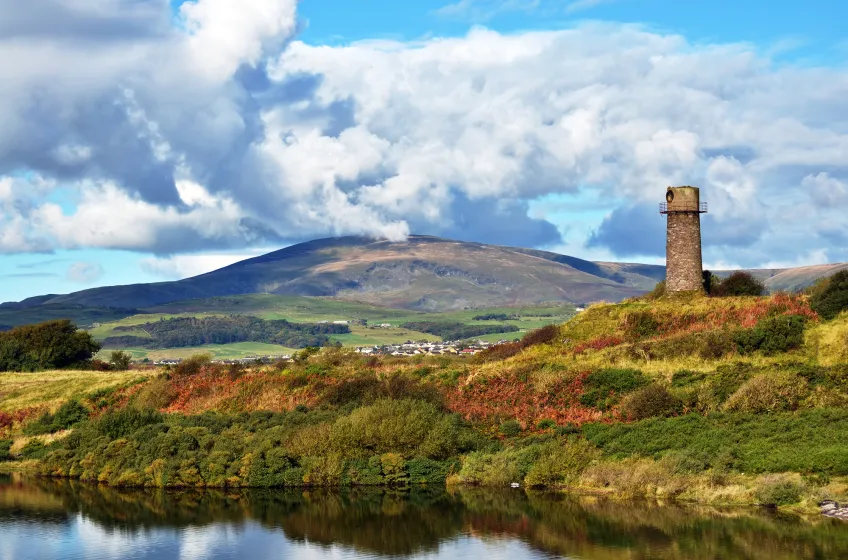
Millom is worth a visit for its distinct blend of industrial heritage and tranquil natural setting. Unlike many other Cumbrian towns, Millom’s identity is deeply tied to its ironworks past, and traces of this can still be seen in its architecture, museums, and community spirit. But it’s not all history – the town is framed by the majestic Black Combe fell, with its sweeping views of the coast and beyond, and sits beside a picturesque estuary that attracts birdwatchers, walkers, and nature lovers.
Visitors are often surprised by Millom’s unpolished authenticity and peaceful surroundings. It’s a place to slow down, enjoy quiet beaches, discover local stories, and explore one of the Lake District’s most dramatic – yet underappreciated – viewpoints. Whether you're a keen walker, railway enthusiast, or just after a quiet getaway in a charming town that marches to its own beat, Millom is well worth discovering.
Millom Highlights: Things to See and Do in Millom
Black Combe
Standing proudly to the northwest of the town, Black Combe is one of the most rewarding climbs in southern Cumbria. Though just shy of 2,000 feet, its isolation from the central Lake District fells means the summit delivers breathtaking panoramic views – on clear days, you can see Scotland, Wales, Ireland, and the Isle of Man. The hike is relatively straightforward and starts near Whicham, a short drive or bus ride from Millom.
Millom Discovery Centre
Located in the old railway station buildings, the Discovery Centre offers an engaging insight into Millom’s industrial history, from its mining heritage to the rise and fall of the town’s ironworks. The museum also features a collection on local poet Norman Nicholson, whose writing captured the spirit of the area. It’s a small but lovingly curated museum with plenty of local character and a good starting point for understanding the town.
Hodbarrow Nature Reserve
This coastal nature reserve, managed by the RSPB, occupies the site of the former Hodbarrow iron mine. Now transformed into a peaceful wildlife haven, the reserve is known for its lagoon, marshes, and bird hides. Expect to see a wide range of birdlife, including terns, redshanks, and oystercatchers. There’s also a pleasant circular walk around the old seawall, making it ideal for families and casual walkers.
Millom Park and Castle Motte
Just a short walk from the town centre, Millom Park is home to the remains of a Norman motte-and-bailey castle. Though only earthworks remain, it’s an atmospheric place, surrounded by open fields and perfect for a short stroll or a picnic. It’s a reminder of Millom’s much earlier medieval history, long before the iron boom.
St. George’s Church and the Nicholson Memorial
This striking Gothic Revival church stands as a focal point in Millom. Inside, visitors can find memorials to poet Norman Nicholson, who lived nearby and attended services here. The church’s stained glass and historical gravestones offer further clues to the town’s layered past.
Haverigg Beach
Just a few minutes from Millom, the village of Haverigg offers a sandy, dog-friendly beach ideal for quiet coastal walks, kite flying, or simply watching the tide roll in. It’s backed by grassy dunes and is rarely crowded, even in summer. There’s a small playground and a café nearby, making it a relaxed spot for families or those looking to unwind by the sea.
The Ski Bar and Watersports at Port Haverigg
At the far end of Haverigg, Port Haverigg Marina features a freshwater lake used for water sports, including jet skiing and paddleboarding. The Ski Bar offers food, drinks, and views over the water. It’s an unexpected touch of adventure in this otherwise quiet part of Cumbria.
Norman Nicholson House (In Development)
A project is currently underway to turn the former home of Norman Nicholson into a literary and cultural centre. While not yet open to the public, it highlights the town’s strong connection to this important regional voice in English poetry and literature.
Local Walks and Railway Trails
Millom’s setting makes it a great base for relaxed countryside walks. The old railway lines and coastal paths offer easy walking or cycling routes with estuary views, while the inland paths towards Kirksanton or Whicham Valley showcase the rolling farmland and fells that surround the town.
Practical Advice for Visitors
Getting There
Millom is accessible by train on the scenic Cumbrian Coast Line, which runs from Carlisle to Barrow-in-Furness. Trains connect Millom directly with Whitehaven, Sellafield, Ravenglass, and Barrow, offering stunning views of the coastline along the way. By road, the town is about 45 minutes from the M6 (Junction 36), travelling via the A590 and A5093. It’s also reachable from the Lake District via Coniston and Broughton-in-Furness, though some routes are narrow and winding.
Parking
There is ample free parking in and around Millom, including car parks at the Discovery Centre and in the town centre. Parking at Haverigg Beach is also free and usually plentiful, though it can get busier on sunny weekends.
Dining
Millom offers a modest but satisfying range of places to eat. The Clock Tower Restaurant is popular for hearty meals and Sunday roasts. Herdwicks Café is a cosy option for light lunches and great cakes. For fish and chips, try the traditional Fryer Tuck’s in the town centre. The Ski Bar at Port Haverigg is a scenic spot for drinks and meals by the water, particularly in summer.
Shopping
Millom’s shopping scene is low-key, with a mix of small independent shops and essential services. There’s a local butcher, a bakery, and a handful of charity shops and gift stores. If you’re after local produce, pop into the town’s greengrocers or explore the occasional farmers' markets. It's a good place to pick up handmade crafts or vintage finds without the tourist mark-up.
When to Visit
Millom is best visited in late spring through early autumn when the weather is pleasant, and the surrounding countryside is at its most vibrant. Black Combe and the coastal reserves are particularly stunning in spring and summer. Autumn brings golden hues and migratory bird sightings, while winter is quieter but perfect for those seeking solitude and wild, windswept views.
Local Events
Millom hosts a few small community events throughout the year, such as seasonal fairs, art exhibitions, and occasional live music in local pubs. The Millom Festival, when held, celebrates local talent and creativity, and the nearby Bootle Beer Festival (a short drive away) is a popular annual highlight for craft ale fans.
Exploring Beyond Millom
If you’ve got extra time, Millom is a great base for discovering the quieter side of the Lake District. The Duddon Valley, just to the north, offers a wilder, less crowded alternative to better-known lakeside spots, with beautiful drives and excellent walking opportunities. Ravenglass, home to Muncaster Castle and the heritage Ravenglass & Eskdale Railway, is about 30 minutes up the coast. You might also explore the market town of Broughton-in-Furness or take the scenic train to St Bees or Whitehaven for a day trip.
Shortlist
- Your Shortlist is empty