
Discover Marne | A Visitor's Introduction to Marne
Marne is a captivating département in France’s Grand Est region, synonymous with the Champagne wine route and brimming with rolling vineyards, historic towns, and poignant First World War sites. Known for its sparkling wines, Renaissance cathedrals, and gentle farmland dotted with war memorials, Marne is perfect for oenophiles, history buffs, and lovers of pastoral landscapes. With its elegant architecture, vine-clad slopes, and rich rural traditions, Marne offers a refined and authentic taste of eastern France.
Recommended Marne Accommodation: Hotels Bed & Breakfasts
Why is Marne Worth a Visit?
Marne is worth visiting for its world-renowned Champagne production, cultural heritage, and tranquil countryside. The region offers the chance to trace the origins of Champagne in the footsteps of prestigious maisons in Reims and Épernay, while smaller family vineyards like those in Hautvillers or Verzy provide a more intimate tasting experience. Layered on top of its vinous prestige is a deeply moving history — from Gothic cathedrals to the Somme and Verdun battlefields not far beyond. Whether savouring sparkling wine, exploring medieval architecture, or immersing yourself in wartime heritage, Marne offers a richly textured and deeply rewarding journey.
Marne Highlights: Things to See and Do in Marne
Rheims and its Cathedral
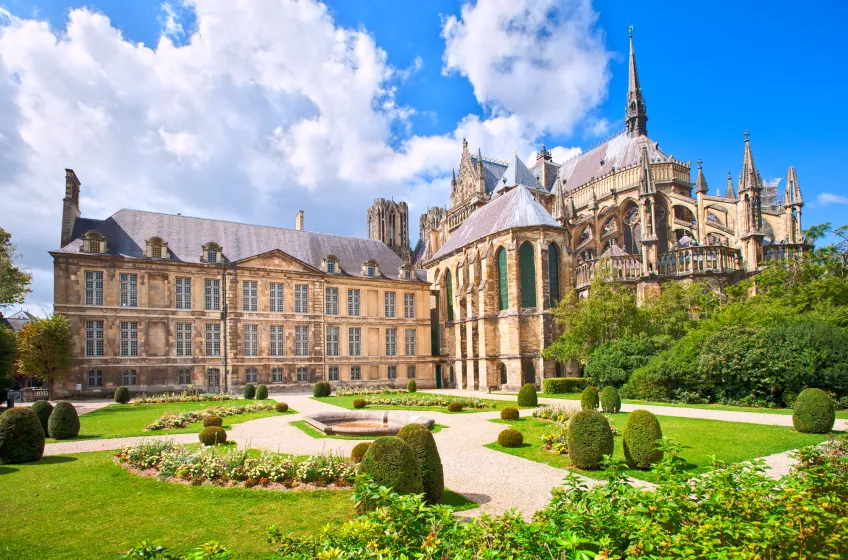
Rheims Cathedral (Notre-Dame de Reims) remains one of France’s most iconic Gothic cathedrals — a masterpiece of soaring façade, gilded statues, and stained glass. Built between the 13th and 15th centuries, it was where French kings were traditionally crowned. Nearby, Palais du Tau showcases royal regalia and medieval art tied to the coronation rituals.
Champagne Cellars and Maisons
Reims and Épernay host prestigious Champagne houses such as Veuve Clicquot, Moët & Chandon, and Taittinger. Visitors can tour cellars hewn from chalk and enjoy tastings of vintage Champagne. For boutique experiences, visit family-run domaines in villages like Cumières, Ay, and Verzenay.
Épernay and Avenue de Champagne
Lined with glamorous mansions and tasting rooms, Avenue de Champagne is a UNESCO-listed street celebrating the town’s vinous wealth. Tours often include underground cellars and the Maison de Champagne, as well as stops at cosy wine bars and regional patisseries.
Hautvillers and Dom Pérignon’s Abbey
This picturesque village perched among vines is famed as the home of Dom Pérignon, a pioneer of Champagne. The Abbey of Saint-Pierre offers panoramic vinyards views above Épernay, along with guided tasting experiences at small local estates.
Montagne de Reims Regional Natural Park
Covering vineyards and forests just south of Reims, this park features charming walking and cycling trails, especially along the Route du Champagne. Search for the unique “faux de Verzy” – twisted beech trees found only here – and enjoy refreshing picnics in the shade.
First World War Battlefields and Memorial Trails
Marne played a pivotal role during WWI in several significant battles. Visit memorial sites like the Butte de Chalmont ridge, Montcornet, and the village of Dormans. The region’s quiet lanes bring poignant reflections on history and humanity.
Suippe and Marne Rivers
Enjoy serene riverside walks or cycling along towpaths from Reims to Tinqueux and beyond. Canoe trips on the Suippe offer a peaceful perspective on countryside life and nature reserves.
Viticultural Villages – Ay, Verzenay, Bouzy
These historic villages offer steep vineyard terrain, charming cellars, and panoramic views. Verzenay's Terre de Vertus museum offers wine history, while Ay’s charming village square is perfect for laid-back tastings.
Musée de la Reddition
Located in Reims, this museum is housed in the very château where Germany signed its May 8, 1945 surrender. Exhibitions recount WWII events through immersive installations and carefully preserved rooms.
Practical Advice for Visitors
Getting There
Reims and Épernay are both easily reached by TGV high-speed trains from Paris in around 45 minutes to 1 hour. A car is beneficial for exploring the vineyards, regional trails, and hilltop villages. The A4 motorway connects Paris, Reims, and Metz.
Parking
Ample local parking is available in Reims and Épernay, with park-and-ride options on the outskirts. Village parking near cellars and abbeys is mostly free, though busy during weekends and harvest time—arrive earlier to secure a space.
Dining
Experience hearty regional cuisine such as coq au Champagne, écrevisses (crayfish) in creamy sauce, and local breads like pain d’épices. Épernay and Reims offer fine dining alongside traditional brasseries, while village auberges near vineyards pair wine flights with cheese platters and local produce.
Shopping
Visit local markets in Reims (Boulingrin hall) or Épernay (year-round and Saturday) for fresh produce, charcuterie, and Champagne. Boutique wine shops in villages offer rare or vintage bottles unavailable elsewhere. Regional honey, jams, and artisan ceramics make perfect souvenirs.
When to Visit
Spring and early autumn (April to June and September to October) offer mild weather, open vineyards, and harvest festivals. Summer is vibrant with cellar tours and outdoor events. Winter is quiet but magical during holiday markets and illuminations.
Local Events
Champagne festivals in late summer celebrate regional wine production with tastings and music. September’s harvest festivals in villages are great for immersive vineyard visits. Reims hosts the vibrant Fêtes Johanniques in June, with medieval re-enactments around the cathedral and rally-like fireworks.
Exploring Beyond Marne
From Marne, venture slightly east into the Langres Plateau or south to the Côte des Bar vineyards. Nearby Champagne villages near Troyes offer different Atmospheres. A side trip to Verdun or the Argonne Forest makes a fitting historical complement beyond the region’s greatest Champagne highlights.
Marne blends vinous elegance, Gothic splendor, and contemplative pastoral charm. Whether you’re meandering through cathedral aisles, savouring flute of bubbly on a sun-drenched terrace, or tracing hedged lanes past WWI memorials, this quietly refined region welcomes both celebration and contemplation in equal measure.
Shortlist
- Your Shortlist is empty