
Discover Luberon | A Visitor's Introduction to The Luberon Region
Recommended places to visit, places to stay and things to do in the Luberon region
Luberon is a stunning region located in the heart of Provence, southeastern France. Known for its rolling lavender fields, medieval hilltop villages, and rustic charm, this part of the Vaucluse département feels like a picture postcard come to life. Set within a regional natural park and dotted with vineyards, ochre cliffs, and centuries-old stone buildings, Luberon is a dream destination for lovers of nature, history, food, and authentic French culture. Whether you’re sipping rosé in the sunshine or wandering through cobbled streets lined with art galleries, the Luberon is a place where time seems to slow down — and that’s exactly its magic.
Recommended Luberon accommodation: Hotels Bed & Breakfasts
Why is Luberon Worth a Visit?
Luberon is worth visiting for its breathtaking natural landscapes, idyllic villages, and the unique sense of peace that permeates the region. Often referred to as the “Provençal Tuscany,” Luberon offers a perfect mix of vibrant countryside and quiet charm, far removed from the hustle of France's bigger cities. The region has long inspired artists, writers, and filmmakers — Peter Mayle famously immortalised it in his memoir A Year in Provence — and it continues to draw travellers looking for a slower, more meaningful experience.
Its appeal lies not just in the scenery, but also in its deep-rooted traditions. From bustling farmers’ markets to traditional festivals and hidden vineyards producing award-winning wines, Luberon invites you to enjoy the simple pleasures of life. Whether you want to hike through a forest, visit a 12th-century abbey, or spend a lazy afternoon tasting local cheese and honey, the region offers something deeply satisfying and entirely unique.
Luberon Highlights: Things to See and Do in Luberon
Gordes
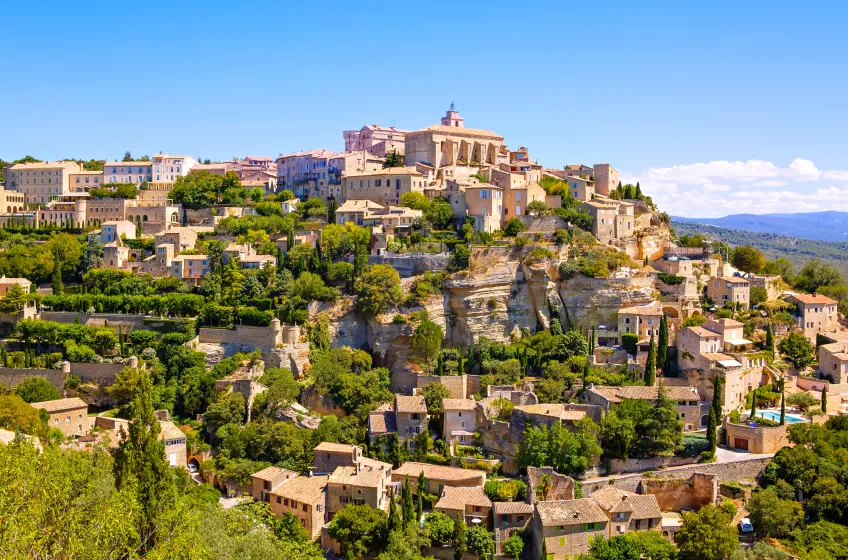
One of France’s Les Plus Beaux Villages, Gordes is perhaps the most iconic of all Luberon hilltop villages. Its stone buildings cascade down the hillside, crowned by a Renaissance château at the summit. Wander the narrow, winding streets, explore the charming boutiques and galleries, and take in panoramic views of the surrounding valley. Visit on a Tuesday for the vibrant market, which spills through the village with stalls of lavender, tapenade, textiles, and more.
Roussillon and the Ochre Trail
Roussillon is unforgettable, thanks to its vivid red and orange ochre cliffs that glow in the Provençal sun. The village itself is a palette of warm tones, with buildings in hues from saffron to rust. Walk the Sentier des Ocres (Ochre Trail) — a short but surreal trail through the former ochre quarries — and feel like you’ve stepped onto another planet. Don’t miss the art galleries and terraced cafés in the village centre.
Abbaye de Sénanque
Tucked into a quiet valley near Gordes, the 12th-century Sénanque Abbey is still home to a small community of Cistercian monks. It’s one of the most photographed spots in Provence, especially when the surrounding lavender fields are in full bloom (late June to early July). Guided tours offer insight into monastic life and the abbey’s austere yet beautiful Romanesque architecture.
Bonnieux
Bonnieux is another Luberon gem perched dramatically on a hillside. With its cobbled lanes, shaded squares, and sweeping views across the valley, it has all the hallmarks of a quintessential Provençal village. Climb to the old church at the top for spectacular views, and stop at one of the cafés for a leisurely lunch. On Fridays, the local market fills the village with fresh produce, pottery, and artisanal goods.
Lacoste
Best known for its ruined château once owned by the infamous Marquis de Sade, Lacoste is a small and peaceful village with an artistic soul. The château has since been restored by fashion designer Pierre Cardin, who also sponsors annual cultural festivals here. Stroll the cobbled streets and enjoy the quiet, timeless beauty of this lesser-visited village.
Lourmarin
Unlike the hilltop villages, Lourmarin is nestled in a valley and offers a more cosmopolitan vibe with elegant shops, cafés, and a notable château. It’s often referred to as one of the liveliest villages in the Luberon. The Friday market is excellent, and the Château de Lourmarin — a Renaissance beauty — hosts regular exhibitions and concerts.
Ménerbes
Perched above vineyards and olive groves, Ménerbes is full of Provençal character. It’s quieter than some of its more famous neighbours, which makes it all the more appealing. Visit the quirky Maison de la Truffe et du Vin, which offers tastings and information about the region’s gastronomic traditions, especially its prized truffles.
The Luberon Regional Natural Park
Covering nearly 600 square miles, the Parc Naturel Régional du Luberon is a protected area of immense natural beauty. It includes mountains, forests, rivers, and limestone cliffs. Outdoor enthusiasts will love the hiking and cycling routes that crisscross the park, including trails like the GR9 and GR97. Wildlife spotting is also a treat, with the possibility of seeing golden eagles, wild boars, and butterflies in abundance.
Village des Bories
Just outside Gordes lies this open-air museum of stone huts known as bories, built without mortar using dry-stone techniques. These ancient structures were once used by shepherds and farmers, and the site offers a fascinating glimpse into rural Provençal life centuries ago.
Saignon
This small, sleepy village is one of the lesser-known but most atmospheric in the Luberon. With its ancient fountain, weather-worn stone houses, and rocky outcrop offering spectacular views, Saignon feels like a step back in time. It’s a great spot for a quiet walk or a peaceful coffee stop.
Apt Market
Apt is the unofficial capital of the Luberon, and its Saturday market is one of the best in Provence. Stretching through the old town’s streets and squares, it’s a lively affair with everything from seasonal fruit and cheese to Provençal textiles and handmade soap. Don’t forget to try the town’s famous crystallised fruit.
Lavender Routes
The Luberon is part of the Provence lavender route, and driving through the purple fields in bloom (typically from late June to mid-July) is an experience in itself. Photographers and nature lovers will find plenty of spots near villages like Sault, Valensole (just east of Luberon), and Sénanque.
Wine Tasting
Luberon’s vineyards produce some excellent wines, particularly rosés and dry whites. Many domaines offer tastings — try Château la Canorgue near Bonnieux (used as a filming location for A Good Year) or Domaine de la Citadelle near Ménerbes, which also features a curious corkscrew museum.
Practical Advice for Visitors
Getting There
The easiest way to reach Luberon is by car, as public transport is limited between villages. The closest major airport is Marseille Provence Airport (about 1 hour 15 minutes away), while Avignon has a TGV station with direct trains from Paris (around 2.5 hours). Car hire is highly recommended if you want to explore multiple villages and the surrounding countryside at your own pace.
Parking
Most Luberon villages have designated car parks on the outskirts, with signs clearly marking them as you approach. Parking is usually inexpensive (some offer the first hour free) but can fill up quickly during the summer months, especially in Gordes and Roussillon. Arriving early in the day is a good idea.
Dining
Dining in the Luberon is a treat. Expect dishes full of seasonal, local ingredients — think goat’s cheese, olives, truffles, and fresh vegetables. For a memorable meal, try La Bastide de Capelongue in Bonnieux or Le Vivier in L’Isle-sur-la-Sorgue. Many villages also have family-run bistros and crêperies offering excellent value. Don’t miss trying a traditional daube (a slow-cooked beef stew) or a tarte à l’abricot if visiting in summer.
Shopping
The region is known for its artisan crafts and local products. Markets are the best place to shop — with Apt on Saturday, Lourmarin on Friday, and Gordes on Tuesday being standouts. Look for lavender products, olive oil, soaps from Marseille, Provençal fabrics, and pottery. Art lovers will also enjoy browsing the small galleries scattered across the villages.
When to Visit
Late spring (May to June) and early autumn (September to early October) are ideal for visiting Luberon. The weather is warm but not scorching, the crowds are thinner, and the landscapes are lush. Lavender blooms from late June into mid-July, which is peak season, so expect more visitors and higher prices. July and August can be hot, busy, and more expensive, but the region is alive with festivals and summer energy.
Local Events
Many villages host their own fêtes throughout the year. Highlights include the Lavender Festival in Sault (mid-August), the Ménerbes Truffle Market (January), and the wine and olive oil fairs in spring. Pierre Cardin’s Lacoste Festival in July brings opera, theatre, and classical music to the hilltop ruins. Visiting during one of these events adds an extra layer of charm to your trip.
Exploring Beyond Luberon
If you have time, venture beyond the core villages. Nearby L’Isle-sur-la-Sorgue is a paradise for antique lovers, with its canal-side charm and sprawling weekend market. The Verdon Gorge (around 2 hours east) offers dramatic scenery and kayaking opportunities. For Roman history and a taste of city life, Avignon and Arles are both within reach and packed with culture, architecture, and good food.
Final Thoughts
Luberon is the kind of destination that gently captures your heart. There’s no rush here — just golden light, stone villages, local wine, and the hum of cicadas. Whether you’re hiking through a forest, getting lost in a market, or watching the sunset from a café terrace, this slice of Provence encourages you to slow down and simply enjoy.
Shortlist
- Your Shortlist is empty