
Llŷn Peninsula | A Visitor's Introduction to The Llŷn Peninsula
Recommended places to visit, places to stay and things to do on The Llŷn Peninsula
The Llŷn Peninsula is a rugged, windswept finger of land stretching into the Irish Sea from north-west Wales, in the county of Gwynedd. Known for its dramatic coastal scenery, sleepy fishing villages, and strong Welsh identity, this remote peninsula offers a slower, more soulful pace of life. The area is officially designated an Area of Outstanding Natural Beauty, and rightly so—it’s a haven for walkers, surfers, artists, and anyone looking to escape the crowds and discover the authentic charm of Wales.
Recommended Llŷn Peninsula Accommodation: Hotels Bed & Breakfasts Pub Accommodation
Why is the Llŷn Peninsula Worth a Visit?
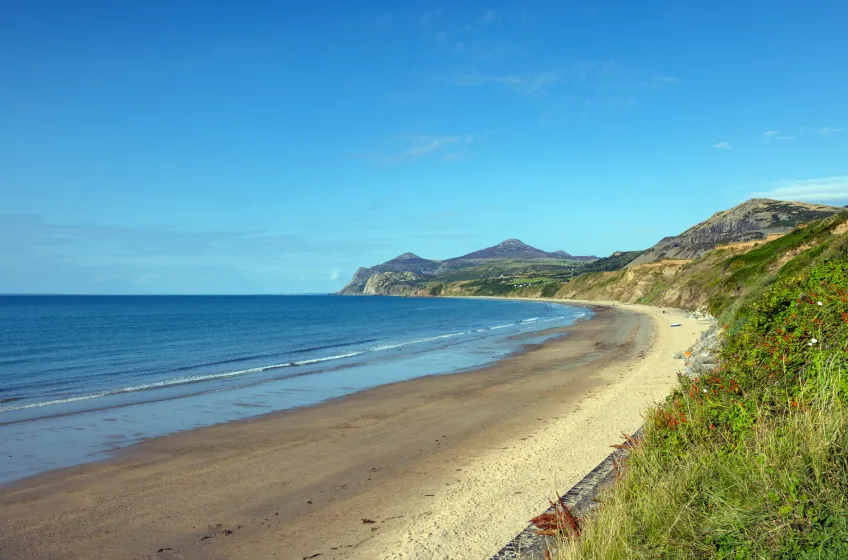
The Llŷn Peninsula is worth visiting for its untouched beauty, cultural richness, and raw coastal landscapes. Often overlooked in favour of neighbouring Snowdonia, the peninsula offers a more peaceful alternative, without sacrificing any of the scenic drama. Traditional Welsh-speaking villages like Aberdaron and Nefyn cling to the hillsides above golden beaches, while ancient pilgrim paths and Iron Age forts dot the headlands and hills.
A visit to the Llŷn Peninsula offers the rare opportunity to immerse yourself in rural Welsh life. You’ll hear Welsh spoken as the first language in most villages, find local produce in village shops and markets, and encounter landscapes that have inspired poets and painters for centuries. Whether you're walking the cliff-top trails, kayaking in turquoise waters, or simply enjoying an ice cream with a sea view, the Llŷn Peninsula promises quiet adventure and genuine warmth.
Llŷn Peninsula Highlights: Things to See and Do in the Llŷn Peninsula
Aberdaron
At the westernmost tip of the peninsula lies Aberdaron, a tiny village with whitewashed cottages, a 12th-century church, and a long sandy beach backed by cliffs. Once a departure point for medieval pilgrims heading to Bardsey Island, today it’s a tranquil retreat for walkers, artists, and lovers of the sea. Enjoy fresh crab sandwiches from a beach café, walk the coastal path, or explore the hidden coves nearby.
Bardsey Island (Ynys Enlli)
Just off the coast of Aberdaron, Bardsey Island is steeped in myth and history. Known as the "Island of 20,000 Saints", it has been a pilgrimage site for over a millennium. Today, it's a nature reserve with a handful of cottages, dramatic cliffs, and an otherworldly peace. Boat trips run from Porth Meudwy (weather permitting), offering a chance to see seals, puffins, and perhaps even dolphins. The island is also a designated Dark Sky Sanctuary, perfect for stargazing.
Porthdinllaen and Tŷ Coch Inn
Porthdinllaen is a small, car-free coastal hamlet near Morfa Nefyn, best known for the iconic Tŷ Coch Inn—regularly named one of the best beach bars in the world. Reached by walking across the golf course or along the beach at low tide, this red-brick pub sits right on the sand, serving pints and seafood with unbeatable sea views. The surrounding bay is great for paddleboarding, kayaking, or a lazy swim.
Pwllheli
As the unofficial capital of the Llŷn Peninsula, Pwllheli is a bustling market town with a busy marina, two beaches, and a wide range of shops and eateries. It’s a great base for exploring the area and has good transport links. The Wednesday market is one of the oldest in Wales, and the town hosts numerous events and sailing regattas throughout the summer. Don’t miss a walk along South Beach, which stretches for miles and is often blissfully empty.
Nefyn and the Amgueddfa Forwrol (Maritime Museum)
Nefyn is a former fishing village perched above a beautiful curved bay. The beach is great for families, and the views from the headlands are outstanding. The local maritime museum (Amgueddfa Forwrol) tells the story of the village's seafaring past and is housed in an old chapel near the shore. Just inland is the brewery at Cwrw Llŷn, where you can taste locally brewed beers with names inspired by Welsh folklore and Llŷn’s landscapes.
Llanbedrog Beach and Plas Glyn y Weddw
Llanbedrog is one of the peninsula’s prettiest beaches, known for its colourful beach huts and calm, sheltered waters. Above the beach stands Plas Glyn y Weddw, a 19th-century Gothic mansion now used as a contemporary art gallery. It’s surrounded by woodland trails, sculptures, and a lovely tearoom. Climb to the metal statue on Mynydd Tir y Cwmwd behind the house for panoramic views across Cardigan Bay.
Abersoch
Abersoch is the most fashionable spot on the peninsula, popular with holidaymakers and second-home owners. The village has a buzzing summer vibe, with trendy cafés, boutique shops, and a beach that’s perfect for watersports. There’s a lively sailing scene, and you can hire paddleboards, kayaks, or take boat trips to nearby islands. The calm waters and safe swimming make it a family favourite, but it does get busy during school holidays.
Hell’s Mouth (Porth Neigwl)
For something a bit wilder, head to Hell’s Mouth—an expansive, open bay that stretches for four miles and is a favourite among surfers. It’s exposed to Atlantic swells, so ideal conditions can bring in impressive waves. Even if you’re not surfing, the beach is great for long walks and fossil-hunting. Be aware there are no facilities nearby, so come prepared with your own supplies.
Garn Fadryn
For one of the best viewpoints on the Llŷn, hike to the top of Garn Fadryn, an extinct volcanic hill near the centre of the peninsula. The 360-degree views from the summit include Snowdonia to the east, the Irish Sea to the west, and the full sweep of the Llŷn coastline. The hill is also the site of an Iron Age hill fort, and the short, steep climb is well worth the effort.
Coastal Path Walks
The Llŷn Peninsula Coast Path is part of the longer Wales Coast Path and follows the entire outline of the peninsula. The route features dramatic cliffs, wildflower meadows, and secluded bays. Particularly scenic sections include the stretch from Nefyn to Porthdinllaen, the Aberdaron to Whistling Sands walk, and the cliff-top paths around Llanbedrog and Abersoch. Many routes are suitable for moderate fitness levels, with occasional challenging climbs.
Practical Advice for Visitors
Getting There
The Llŷn Peninsula is best reached by car. It’s about two hours’ drive from Chester or three from Manchester or Birmingham. The A497 is the main road into the peninsula, running from Porthmadog through to Pwllheli and on to Aberdaron. There are rail services to Pwllheli from Shrewsbury and Birmingham via Machynlleth, though they’re slow and not especially frequent. For international visitors, the nearest airports are Liverpool John Lennon and Manchester.
Parking
Parking can be tight in small villages and beach areas, especially during school holidays. Most beaches and larger villages have paid car parks, often run by the local council or National Trust. In places like Aberdaron, Llanbedrog, and Porthdinllaen, it’s best to arrive early or park slightly further out and walk in. Some remote coves require walking from the nearest road, so wear suitable footwear.
Dining
The Llŷn Peninsula is known for its seafood, local lamb, and fresh produce. Gwesty Ty Newydd in Aberdaron offers excellent meals with sea views. The Coconut Kitchen in Abersoch serves Thai-inspired dishes with a Welsh twist. The Ship Inn in Edern is a top choice for hearty pub meals. For lighter bites, look for beach cafés such as Y Gegin Fawr in Aberdaron or the friendly Plas Glyn y Weddw café in Llanbedrog. Fish and chips from Pwllheli’s Allports or a fresh crab sandwich from Cwt Tatws are simple pleasures not to miss.
Shopping
While the peninsula isn’t a major shopping destination, it has plenty of independent shops and craft outlets. Abersoch and Pwllheli offer fashion boutiques, beachwear shops, and surf stores. For local crafts, pottery, and paintings, visit Oriel Tonnau in Pwllheli or Plas Glyn y Weddw's shop. Farmers’ markets pop up in Pwllheli and surrounding villages, selling cheeses, chutneys, bread, and smoked fish. Many villages have traditional butcher shops and bakeries that are well worth seeking out.
When to Visit
Summer is the most popular time to visit, especially July and August, when the weather is warmest and most attractions are open. However, it’s also the busiest, particularly in Abersoch and other holiday hotspots. Spring and early autumn can be just as beautiful, with fewer crowds and pleasant temperatures. Winter is quiet and peaceful, though some places close for the season, and weather can be unpredictable.
Local Events
The Llŷn Peninsula hosts several events throughout the year. Abersoch Regatta Week in August is filled with races, sandcastle competitions, and beach sports. The Pwllheli Sailing Club hosts national and international races regularly. Gŵyl Llŷn, a local festival celebrating Welsh culture and language, is often held in various villages across the peninsula. There are also occasional food festivals, vintage rallies, and traditional eisteddfodau (cultural competitions).
Exploring Beyond the Llŷn Peninsula
If time allows, nearby Snowdonia National Park offers mountain adventures, waterfalls, and historic railways. The towns of Porthmadog, Criccieth, and Harlech are all within an hour’s drive and each boasts a castle and a beach. Anglesey is another easy day trip, connected via the Menai Bridge from Caernarfon. For more culture, Caernarfon Castle, a UNESCO World Heritage Site, is under an hour away from Pwllheli.
The Llŷn Peninsula is one of Wales’s true hidden gems—a place where the pace is slow, the scenery is wild, and the culture is deeply rooted. Whether you’re hiking across headlands, paddling in secluded coves, or sharing a pint in a beachside pub, the Llŷn offers a timeless kind of magic. It’s not just a destination; it’s an experience—unpretentious, unspoilt, and unforgettable.
Shortlist
- Your Shortlist is empty