
A Visitor's Introduction to Leeds Castle, Maidstone
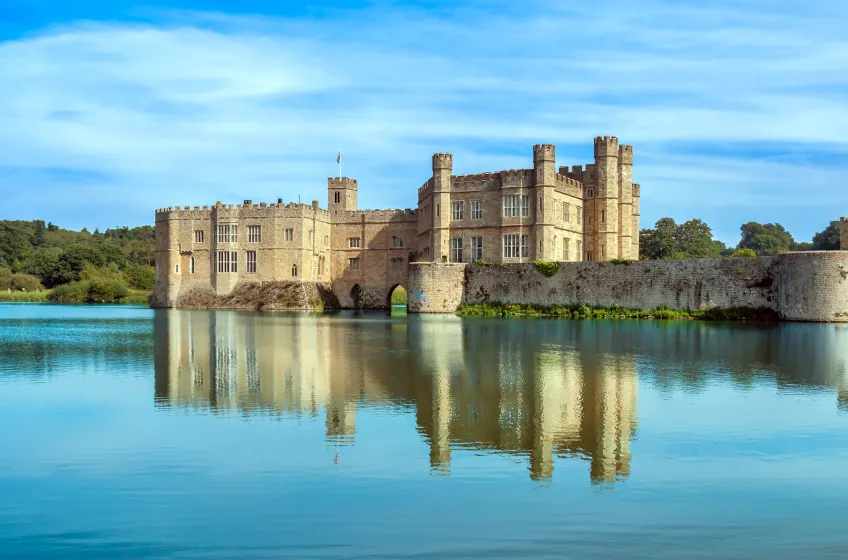
Leeds Castle, situated near Maidstone in Kent, England, is one of the most historically significant and picturesque castles in the country. Surrounded by a moat and set within 500 acres of parkland and gardens, the castle has over 900 years of history and offers visitors a well-preserved glimpse into the lives of those who lived and ruled within its walls. From its Norman origins to its modern role as a major tourist attraction, Leeds Castle has served as a royal residence, a private estate, a military hospital, and a public museum.
Easily accessible from London and the South East, the castle is often described as “the loveliest castle in the world” due to its idyllic location and elegant architecture. However, beyond the scenic surroundings, the castle is a richly layered site offering historical insight, curated exhibitions, family-friendly experiences, and extensive grounds to explore. Visitors can enjoy the castle interior, formal gardens, aviary, maze, and a variety of seasonal and year-round activities, making it suitable for all ages and interests.
Recommended Maidstone accommodation: Hotels Bed & Breakfasts Pub Accommodation
Pre-book Tours to Leeds Castle
Why Is Leeds Castle Worth a Visit?
Leeds Castle is worth visiting for its unique blend of heritage, natural beauty, and family-oriented attractions. As a site that has evolved over centuries, it offers insights into English history from the Norman period through to the 20th century. Once a royal residence used by six medieval queens and later by Henry VIII and Catherine of Aragon, it has also been shaped by wealthy aristocrats and, most recently, Lady Baillie, who transformed the castle into a 20th-century retreat for the social elite.
The diversity of experiences available means that visitors can appreciate both the grandeur of the historic interiors and the tranquillity of the landscaped grounds. The castle's exhibitions are well-curated, offering clear and informative displays on the architecture, furniture, and lives of past residents. The castle also appeals to families, offering a maze and underground grotto, falconry demonstrations, and adventure playgrounds. Unlike many historic properties, Leeds Castle has invested in maintaining both authenticity and accessibility, ensuring that it remains relevant and enjoyable for modern visitors.
Highlights of Leeds Castle
Castle Interior
The castle’s interior is meticulously preserved and presented, showing the layered history of the site across different eras. Visitors enter through the main gate and ascend through various rooms that reflect different historical periods, from medieval halls to Tudor chambers and 20th-century drawing rooms. The influence of Lady Baillie, who owned the castle from 1926 until her death in 1974, is evident in the luxurious furnishings and art collections. Many rooms retain their period character, offering a sense of how they would have looked when inhabited.
The Moat and Exterior Architecture
One of the defining features of Leeds Castle is its location on islands within a lake, giving it the appearance of a floating fortress. The moat is part of the River Len, and the surrounding water not only provided defence historically but adds to the castle's visual charm today. The outer fortifications, drawbridge, and various towers offer a strong medieval atmosphere, though much of what is visible today is the result of 19th- and 20th-century restoration.
Gardens and Grounds
Leeds Castle is surrounded by expansive gardens that are meticulously maintained throughout the year. The Culpeper Garden, named after a family that once owned the estate, is styled as a traditional English cottage garden with roses, lavender, and herbaceous borders. The Lady Baillie Mediterranean Garden Terrace overlooks the Great Water and features Mediterranean plants and ornamental stonework. The Wood Garden, which follows the banks of the river, is especially beautiful in spring, with its display of daffodils, bluebells, and rhododendrons.
The Maze and Grotto
The Leeds Castle maze is one of the more unusual and family-friendly features of the grounds. Composed of over 2,400 yew trees, the maze challenges visitors to find the central viewing point. Upon exiting, visitors pass through an underground grotto decorated with mythical creatures, shells, and atmospheric lighting, providing an enchanting contrast to the outdoor maze.
Falconry Displays
The castle grounds host daily falconry demonstrations (weather permitting), offering an opportunity to see birds of prey such as owls, hawks, and falcons in flight. The knowledgeable staff explain the history and behaviour of the birds, as well as the historical significance of falconry in medieval England.
The Castle Island
Castle Island is the central landmass on which the main building stands. Surrounded by water, it is connected to the mainland by a stone bridge and forms the focal point of the estate. This part of the grounds offers panoramic views of the castle and is ideal for photography and quiet exploration.
The Dog Collar Museum
Housed in a separate area of the castle complex, the Dog Collar Museum is a small but distinctive exhibition featuring over 130 historic and decorative dog collars, some dating back to the 15th century. While niche in focus, it adds a quirky and personal touch to the castle’s broader offering.
Adventure Playgrounds
Leeds Castle is particularly accommodating for families, with two large play areas designed for different age groups. The Knight’s Stronghold playground includes climbing towers and zip lines, while the Squires’ Courtyard is suited for younger children. These areas are thoughtfully integrated into the landscape and offer safe, engaging spaces for children to play.
Seasonal Events
Throughout the year, Leeds Castle hosts a wide range of events, from open-air cinema nights and theatre productions to food festivals and historical re-enactments. The estate also stages special events for Easter, Halloween, and Christmas, which include themed trails, decorations, and live entertainment. These events are designed to enhance the visitor experience while drawing on the heritage of the castle.
Wildlife and Nature Trails
The wider estate is home to a variety of wildlife including peacocks, black swans, and waterfowl. Designated walking paths and nature trails lead visitors through woodlands, meadows, and by the lakeside, providing opportunities for birdwatching and quiet reflection.
Punting and Boat Rides
Seasonal punting on the moat offers visitors a chance to see the castle from a different perspective. Small guided boats take visitors around the perimeter of the Castle Island, highlighting architectural features and providing unique photo opportunities.
Facilities
Leeds Castle is well-equipped with visitor facilities that cater to individuals, families, and groups. There are multiple cafés and restaurants on site, offering everything from light refreshments to full meals. The Fairfax Restaurant, located near the main entrance, serves hot meals and afternoon tea, while the Maze Café provides a more casual option near the garden areas.
Toilets and baby-changing facilities are available throughout the estate, and the castle offers full accessibility for wheelchair users, including ramps and lifts in most areas. A land train and mobility scooters are available for hire to assist those with limited mobility.
The Leeds Castle Shop offers a variety of souvenirs, books, and local products, while the ticket office and visitor centre provide information, maps, and guidance. Accommodation is also available on site, including luxury bed-and-breakfast rooms in the Stable Courtyard and self-catering holiday cottages.
Nearby Attractions
Leeds Castle is located in the heart of Kent, often referred to as the “Garden of England,” and there are several other attractions within a short drive that may appeal to visitors.
In Maidstone, just a few miles away, visitors can explore the Maidstone Museum and Art Gallery, which houses exhibits on local history, natural science, and fine art. Mote Park, also in Maidstone, is a large public park with lakes, sports facilities, and walking trails.
A short drive east brings visitors to the historic town of Canterbury, home to Canterbury Cathedral, a UNESCO World Heritage Site and one of the most important Christian sites in England. Further afield, the white cliffs of Dover and the seaside towns of Whitstable and Margate offer a coastal contrast to the rural landscape surrounding the castle.
For those interested in other historic houses, Penshurst Place and Hever Castle (the childhood home of Anne Boleyn) are also within easy reach and make for a good thematic continuation of a visit to Leeds Castle.
Practical Advice
Leeds Castle is open year-round, though opening hours vary by season, so checking the official website before visiting is advised. Admission tickets are valid for one year from the date of purchase, allowing for unlimited return visits during that period, which adds significant value for local visitors or repeat tourists.
Parking is included with admission and is located a short walk from the main entrance. The estate is well-signposted from the M20 motorway, with the nearest railway station being Bearsted. A shuttle bus service operates from the station to the castle during peak times.
Visitors should wear comfortable footwear due to the extensive grounds and uneven surfaces in parts of the garden and woodland trails. In spring and summer, sunscreen and hats are advisable, while waterproof clothing is recommended for cooler months.
Food and drink can be brought in, and there are designated picnic areas, although the on-site catering is varied and of good quality. Dogs are allowed in the grounds on short leads but not in the castle itself or indoor areas.
For those wishing to stay overnight, it is advisable to book accommodation in advance, particularly during summer months or when events are taking place.
Overall, Leeds Castle provides a well-rounded and informative experience that combines history, nature, and leisure in one of the most accessible and well-maintained heritage sites in southern England.
Shortlist
- Your Shortlist is empty