
Discover Lancaster | A Visitor's Introduction to Lancaster
Lancaster is a vibrant and historic city in northwest England, sitting on the banks of the River Lune and just a short hop from Morecambe Bay and the Forest of Bowland. With its rich heritage, cultural vitality, and university buzz, Lancaster seamlessly blends the old and the new. The city’s imposing medieval castle, cobbled streets, lively arts scene, and canal-side charm make it a fascinating destination for history lovers, students, walkers, and weekend explorers alike. Compact, characterful, and full of northern warmth, Lancaster offers a rewarding mix of culture, history, and hospitality.
Recommended Lancaster Accommodation: Hotels Bed & Breakfasts Pub Accommodation
Why is Lancaster Worth a Visit?
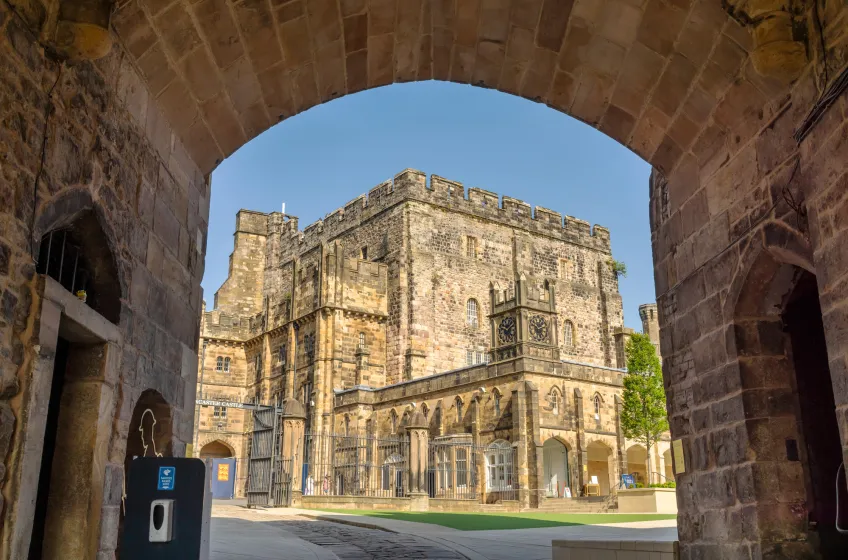
Lancaster is worth visiting for its impressive historical pedigree, thriving arts and music scene, and riverside beauty. As one of England’s official heritage cities, Lancaster boasts a fascinating past rooted in Roman origins, Georgian prosperity, and industrial growth. Its skyline is dominated by a medieval castle once used as a prison, while its streets reveal layers of history through grand buildings, narrow ginnels, and hidden courtyards.
Yet Lancaster is also very much alive in the present. The city is home to Lancaster University, which brings youthful energy, independent shops, and a diverse food scene. With museums, theatres, galleries, and canal walks all within walking distance, Lancaster is a place that rewards curiosity and encourages slow exploration. Whether you're staying for a day or a long weekend, Lancaster delivers depth, charm, and plenty to discover.
Lancaster Highlights: Things to See and Do in Lancaster
Lancaster Castle
Perched dramatically above the River Lune, Lancaster Castle is a must-visit. This former royal fortress and prison has been at the heart of the city for almost 1,000 years. Visitors can take guided tours through its imposing gatehouse, eerie dungeons, and courtrooms — including the one where the Pendle Witches were tried. The castle’s dramatic history and commanding views make it Lancaster’s standout attraction.
Williamson Park and Ashton Memorial
Covering 54 acres of landscaped gardens, woodland, and pathways, Williamson Park is a stunning green space with far-reaching views over Morecambe Bay and the Lake District fells. At its heart stands the Ashton Memorial — a striking Edwardian folly known locally as the "Taj Mahal of the North." The park also houses a café and the small but delightful Butterfly House and Mini Zoo.
Lancaster City Museum
Located in the former Town Hall on Market Square, this museum provides a comprehensive look at Lancaster’s past — from Roman times and medieval trade to the textile boom and social change. The King’s Own Royal Regiment Museum is also housed here, showcasing the city’s military history.
Lancaster Maritime Museum
Set in former Georgian warehouses along the quayside, the Maritime Museum explores Lancaster’s often overlooked role as a port city. Exhibits cover fishing, shipbuilding, and the city’s involvement in the transatlantic slave trade. The peaceful canal-side setting makes it a relaxing spot to delve into maritime history.
The Judges’ Lodgings
This beautiful 17th-century townhouse was once the residence of the city’s visiting judges. Now a museum (open seasonally), it offers period rooms, Gillow furniture displays, and a fascinating insight into life in Georgian Lancaster. It's also rumoured to be haunted, adding an extra layer of intrigue.
Lancaster Grand Theatre
One of the oldest working theatres in the UK, the Grand hosts an impressive range of performances, from local productions and comedy nights to touring theatre and music. Its intimate atmosphere and historic charm make it a brilliant venue for an evening out.
The Dukes Theatre and Cinema
Lancaster’s cultural hub, The Dukes is a much-loved independent theatre and cinema. It stages contemporary drama, runs creative outreach projects, and screens an eclectic mix of films. In summer, its “Play in the Park” in Williamson Park is a unique theatrical experience that draws big crowds.
Lancaster Canal
Winding peacefully through the city and into the countryside beyond, the Lancaster Canal is ideal for walking, cycling, or simply sitting with a coffee watching the ducks. A walk from the city centre north toward Hest Bank or south to Glasson Dock rewards visitors with quiet towpaths and idyllic views.
The Storey
Once the city’s art college, The Storey is now a creative and cultural hub, with galleries, co-working spaces, a café, and regular exhibitions and events. It’s just a stone’s throw from the castle and often features live music, talks, and community art projects.
Market Square and the City Centre
Lancaster’s heart is full of character, with cobbled streets, Georgian buildings, and a great mix of independent shops and cafés. Market Square hosts street performers, market stalls, and seasonal events throughout the year. Nearby streets like King Street and China Street are great for browsing boutiques, record stores, and bookshops.
Practical Advice for Visitors
Getting There
Lancaster is well connected by rail, road, and bus. The city’s train station lies on the West Coast Main Line with direct services to Manchester (1 hour), London (2.5 hours), Glasgow, and Edinburgh. By car, the M6 motorway (Junction 33 or 34) offers easy access. National Express and Megabus coaches also serve the city, and local buses link Lancaster to Morecambe, Kendal, and the Lake District.
Parking
There are several city centre car parks, including at St Nicholas Arcades, Dallas Road, and Parksafe. Park and Ride services also operate from sites outside the centre. Parking in the evenings is often cheaper or free, and on-street parking is available in some areas with meters.
Dining
Lancaster boasts a diverse food scene with something for every taste and budget. For British fare, try The Borough or Merchants 1688 (in a candlelit cellar bar). The Quarterhouse offers fine dining with local ingredients, while Koko serves up inventive pan-Asian dishes. For coffee and cake, head to Brew, Atkinsons (a historic coffee roaster), or The Hall. Vegans and vegetarians are well catered for, with spots like The Herbarium and Whale Tail Café.
Shopping
Lancaster’s shopping scene favours independents over chains. Discover artisan goods at Arteria, vintage finds at GB Antiques Centre, or handmade soaps and gifts at The Stonewell Tap. Market days (Wednesdays and Saturdays) bring food, crafts, and street entertainment to the city centre. St Nicholas Arcades provides high street staples under cover.
When to Visit
Lancaster is a year-round destination. Spring and summer are best for exploring parks and outdoor events, while autumn brings beautiful colours and quieter streets. Winter is atmospheric, particularly during the Christmas market and light switch-on. Rain is common — pack a waterproof jacket and comfortable shoes.
Local Events
-
Light Up Lancaster (November): A spectacular city-wide festival of light installations, fireworks, and performances.
-
Highest Point Festival (May): A major music event held in Williamson Park, attracting national and international acts.
-
Lancaster Music Festival (October): A city-wide celebration of live music, with performances in pubs, cafés, and public spaces.
-
Heritage Open Days (September): Many historic sites open their doors for free tours and events.
Exploring Beyond Lancaster
Lancaster is perfectly placed for wider adventures. The seaside resort of Morecambe is just 10 minutes away by train or bus, offering coastal walks, vintage charm, and views across the bay. The Forest of Bowland, an Area of Outstanding Natural Beauty, lies just to the east, offering fantastic walking and cycling. The Lake District and Yorkshire Dales are each under an hour’s drive, making Lancaster a superb base for broader exploration.
Shortlist
- Your Shortlist is empty